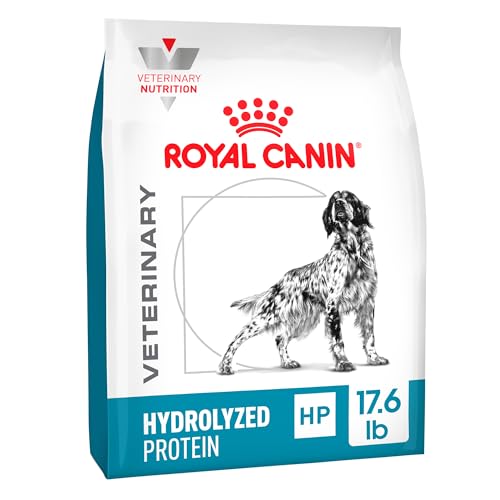
Canine Hydrolyzed Protein Small Dog Dry Dog Food
Your complete guide to understanding how hydrolyzed protein dry dog food can transform the health of small dogs suffering from food allergies, sensitive stomachs, and chronic skin conditions.
If your small dog has been struggling with chronic itching, recurring ear infections, digestive upset, or skin problems that never seem to resolve, you may be dealing with an adverse food reaction. For many small breed dogs, the solution isn't another steroid cream or antibiotic — it's changing what goes into their bowl. Canine hydrolyzed protein small dog dry dog food is a scientifically formulated solution designed specifically for dogs whose immune systems react negatively to common proteins found in regular dog food.
Unlike standard limited ingredient diets or grain-free formulas, hydrolyzed protein dog food undergoes a specialized manufacturing process that breaks protein molecules down into fragments so small that your dog's immune system simply cannot recognize them as threats. This makes it one of the most effective dietary interventions available for food-allergic dogs. For small breed owners, finding the right formula is especially important because small dogs have unique nutritional requirements, faster metabolisms, and are often more prone to certain food sensitivities than their larger counterparts.
This guide walks you through everything you need to know about hydrolyzed protein dry dog food for small dogs — what it is, how it works, when to use it, and how to choose the best formula for your dog's specific needs. Whether you're working with a veterinarian on an elimination diet trial or simply exploring options for a dog with a notoriously sensitive stomach, this resource will help you make an informed decision. You can also explore our complete dog food guide for broader nutrition information, or check our recommendations for the best dog food for dogs with allergies and sensitive stomachs.
What Is Hydrolyzed Protein Dog Food?
Hydrolyzed protein dog food is a therapeutic diet in which the protein sources have been chemically broken down through a process called hydrolysis. In simple terms, imagine taking a long chain — the protein molecule — and cutting it into tiny, tiny pieces. The resulting fragments are so small that when your dog eats the food, their immune system doesn't recognize these fragments as the proteins it has been reacting to.
To understand why this matters, it helps to understand how food allergies work in dogs. When a dog has a food allergy, their immune system mistakenly identifies certain protein molecules — often from beef, chicken, dairy, wheat, or soy — as harmful invaders. The immune system then launches a defensive response that manifests as itching, inflammation, digestive problems, and skin issues. By breaking down the proteins into fragments too small to trigger this response, hydrolyzed diets effectively bypass the immune system's faulty alarm system.
Key Point: Hydrolyzed protein is not the same as "hypoallergenic." While hydrolyzed diets are often marketed as hypoallergenic, the term is more of a marketing label. True hydrolyzed protein diets are prescription or veterinary-exclusive products that have undergone clinical testing to confirm their efficacy in managing adverse food reactions.
The hydrolysis process doesn't just break down proteins — it also reduces the molecular weight of the protein fragments below the threshold that typically triggers allergic reactions. Most food allergens in dogs have molecular weights above 10,000 daltons. Hydrolyzed proteins are typically broken down to fragments below 10,000 daltons, and the most advanced formulas achieve molecular weights below 5,000 daltons, making them significantly less likely to provoke an immune response.
It's important to note that hydrolyzed protein diets are not just for dogs with confirmed food allergies. Veterinarians also recommend them for dogs with inflammatory bowel disease (IBD), chronic enteropathy, exocrine pancreatic insufficiency, and other gastrointestinal conditions where reducing antigenic load on the digestive system is beneficial. Small dogs with sensitive stomachs often see dramatic improvements on these diets even without a formal allergy diagnosis.
Why Small Dogs Need Specialized Formulas
Not all dog foods are created equal, and this is especially true for small breeds. Small dogs — generally defined as dogs weighing under 25 pounds — have distinct nutritional and metabolic characteristics that set them apart from medium and large breeds. When it comes to hydrolyzed protein diets, these differences matter even more.
Higher Metabolic Rate
Small dogs burn calories faster per pound of body weight than large dogs. Their metabolic rate is significantly higher, which means they need more calories per pound to maintain their body weight. A hydrolyzed protein formula designed for a Labrador Retriever may not provide enough caloric density for a Chihuahua or a Yorkshire Terrier, leading to unhealthy weight loss during an elimination diet trial.
Smaller Kibble Size
Small dogs have smaller mouths, smaller teeth, and shorter digestive tracts. A hydrolyzed protein dry dog food formulated for small breeds will have smaller kibble pieces that are easier for them to chew and digest. Large kibble can be difficult for tiny breeds to manage, leading to dropped food, eating challenges, and potential choking hazards. Some small dogs may even refuse to eat if the kibble is too large or hard.
Higher Nutrient Density Requirements
Because small dogs eat smaller portions, every bite needs to deliver a concentrated dose of essential nutrients. Hydrolyzed protein small dog formulas are typically more nutrient-dense than their large-breed counterparts, ensuring that even a tiny dog gets all the vitamins, minerals, and amino acids they need for optimal health.
Greater Susceptibility to Dental Issues
Small breeds are more prone to dental problems, including plaque buildup, tartar, and periodontal disease. The kibble size and texture of hydrolyzed protein small dog dry food can be designed to provide some mechanical cleaning action while still being gentle on sensitive mouths. If your small dog has dental issues, you may also want to explore soft dry dog food for small dogs with bad teeth.
Faster Onset of Health Issues
Small dogs often show signs of food allergies and sensitivities earlier in life than large breeds, and their symptoms can escalate quickly due to their smaller body size. A small dog with food allergies can develop severe skin infections, hot spots, and gastrointestinal distress much faster than a larger dog eating the same trigger food. This makes early intervention with a hydrolyzed protein diet critical.
Breed Consideration: Small breeds like French Bulldogs, Pugs, Boston Terriers, and Shih Tzus are especially prone to food allergies and skin conditions. If you own one of these breeds and are struggling with chronic skin or digestive issues, a hydrolyzed protein diet may be the solution. Check our guide on the best dry dog food for French Bulldogs with skin allergies for breed-specific recommendations.
Signs Your Small Dog Needs Hydrolyzed Protein Food
How do you know if your small dog would benefit from a hydrolyzed protein diet? The signs of adverse food reactions can be subtle at first, but they tend to worsen over time. Here are the most common indicators:
- Chronic itching: Persistent scratching, especially around the paws, face, ears, armpits, and groin area. This is the most common sign of food allergies in dogs. If your dog itches year-round regardless of season, food is a likely culprit.
- Recurrent ear infections: Food allergies are a leading cause of chronic ear infections in dogs. If your small dog constantly shakes their head, scratches their ears, or has frequent ear infections that keep coming back after treatment, food could be the underlying cause.
- Digestive problems: Vomiting, diarrhea, loose stools, excessive gas, or frequent bowel movements. Some dogs with food sensitivities show primarily gastrointestinal symptoms without significant skin issues.
- Skin infections and hot spots: Recurring bacterial or yeast infections on the skin, especially in skin folds (common in breeds like French Bulldogs, Pugs, and Bulldogs).
- Hair loss and dull coat: Patchy hair loss, excessive shedding, or a coat that lacks shine and softness despite good grooming.
- Paw licking and chewing: Constant licking or chewing at the paws is a classic sign of allergies in dogs. If your small dog's paws are red, stained, or irritated, food allergies should be on your radar.
- Anal gland issues: Frequent anal gland expression, scooting, or infections can be linked to food sensitivities and inflammation in the digestive tract.
- Poor growth or weight issues: Puppies with food sensitivities may fail to thrive, and adult dogs may struggle to maintain a healthy weight despite eating well.
Important: These symptoms can also be caused by environmental allergies (pollen, dust mites, mold), parasites, or other medical conditions. Only a veterinarian can definitively diagnose a food allergy. If your dog shows these signs, schedule a vet visit before changing their diet. For dogs with red, irritated paws, see our guide on why your dog's paws are red and how to help.
Conditions That May Benefit from Hydrolyzed Protein Diets
Beyond confirmed food allergies, veterinarians recommend hydrolyzed protein small dog dry dog food for dogs with:
- Inflammatory Bowel Disease (IBD): Chronic inflammation of the gastrointestinal tract that causes vomiting, diarrhea, weight loss, and discomfort.
- Chronic Enteropathy: Persistent gastrointestinal issues that don't respond to standard dietary changes.
- Exocrine Pancreatic Insufficiency (EPI): A condition where the pancreas doesn't produce enough digestive enzymes.
- Food-responsive diarrhea: Diarrhea that resolves when the offending food is removed from the diet.
- Adverse Food Reactions (AFR): The umbrella term for both food allergies (immune-mediated) and food intolerances (non-immune-mediated).
- Protein-losing enteropathy: A condition where protein leaks from the gastrointestinal tract, often requiring highly digestible, low-antigen diets.
Some small dogs with canine allergy medicine needs may find that dietary management with hydrolyzed protein reduces or eliminates their reliance on medications. However, hydrolyzed diets are not a replacement for veterinary care — they work best as part of a comprehensive treatment plan.
How Hydrolysis Works: The Science Explained
To appreciate why hydrolyzed protein diets are so effective, it helps to understand the science behind the process. Hydrolysis is a chemical reaction in which a water molecule is used to break chemical bonds. In the context of pet food manufacturing, hydrolysis is used to break down large protein molecules into smaller peptide fragments and individual amino acids.
The Three Stages of Protein Hydrolysis
- Protein Selection: The manufacturer starts with a high-quality protein source. Common choices include chicken, soy, casein (milk protein), or novel proteins like salmon or venison. The protein source itself matters less than the hydrolysis process, but starting with a pure, high-quality protein ensures consistent results.
- Enzymatic Hydrolysis: The protein is treated with specific enzymes (proteases) that break the peptide bonds between amino acids. This process is carefully controlled to achieve the desired molecular weight distribution. The goal is to break down the proteins into fragments small enough to avoid immune detection while still providing essential amino acids.
- Filtration and Quality Control: After hydrolysis, the mixture is filtered to remove any remaining large protein fragments. The resulting hydrolyzed protein is then tested to confirm that the molecular weight distribution meets the manufacturer's specifications. Quality control is critical — if any large protein fragments remain, the diet may not be effective for allergic dogs.
Why Molecular Size Matters
The key to hydrolyzed protein diets is molecular size. The immune system recognizes proteins based on their three-dimensional structure and amino acid sequence. When proteins are broken down into fragments smaller than about 10,000 daltons (a unit of molecular weight), the immune system generally cannot recognize them as allergens.
Think of it this way: if your immune system is a security guard trained to recognize intruders by their full face, showing them only a single freckle won't trigger an alarm. Similarly, hydrolyzed protein fragments are too small and too structurally incomplete to trigger the immune response that causes allergy symptoms.
| Protein Type | Molecular Weight | Immune Recognition | Allergy Risk |
|---|---|---|---|
| Intact Protein (regular dog food) | 10,000–100,000+ daltons | High — full structure recognized | High for allergic dogs |
| Partially Hydrolyzed Protein | 5,000–10,000 daltons | Moderate — some fragments recognized | Moderate — may work for mild allergies |
| Extensively Hydrolyzed Protein | Below 5,000 daltons | Low — fragments too small | Low — ideal for allergic dogs |
It's important to understand that not all hydrolyzed protein diets are created equal. Some products use partial hydrolysis, which may not break proteins down small enough to avoid triggering allergies in highly sensitive dogs. For dogs with confirmed food allergies, an extensively hydrolyzed formula is generally recommended. Your veterinarian can help you determine which level of hydrolysis is appropriate for your dog's condition.
Key Benefits for Small Breeds
When fed appropriately, hydrolyzed protein small dog dry dog food offers a range of benefits that go far beyond simple allergy management. Here's what you can expect:
1. Relief from Chronic Itching
For dogs with food allergies, hydrolyzed protein diets can provide dramatic relief from itching within 4-8 weeks. Many owners report that their dogs stop scratching, chewing, and licking obsessively — often for the first time in months or years. This improvement in comfort often leads to better sleep, improved mood, and a more active, playful dog.
2. Healthier Skin and Coat
When the immune system is no longer constantly reacting to food allergens, inflammation throughout the body decreases. This often results in healthier skin, reduced redness, fewer hot spots, and a shinier, softer coat. Dogs with food-related skin problems often see a complete transformation in their appearance.
3. Improved Digestive Health
Hydrolyzed protein diets are highly digestible, which means less work for your dog's digestive system. Dogs with chronic diarrhea, vomiting, gas, or loose stools often see rapid improvement. The reduced antigenic load on the gastrointestinal tract allows inflammation to subside and the gut to heal.
4. Fewer Ear Infections
Recurrent ear infections are one of the most frustrating problems for small dog owners. When food allergies are the root cause, hydrolyzed protein diets can break the cycle of infection, treatment, and reinfection that plagues so many allergic dogs.
5. Reduced Reliance on Medications
Many dogs with food allergies are managed with steroids, antihistamines, antibiotics, and immunosuppressants. While these medications can be necessary in the short term, they come with side effects and long-term health risks. A hydrolyzed protein diet can reduce or eliminate the need for these medications, improving your dog's overall health and quality of life.
6. Safe for Long-Term Feeding
High-quality hydrolyzed protein small dog dry dog food that meets AAFCO (Association of American Feed Control Officials) nutritional standards is complete and balanced for long-term feeding. Unlike some elimination diets that are only meant to be fed short-term, hydrolyzed protein diets can be a permanent solution for dogs with confirmed food allergies.
7. Appropriate for All Life Stages
Many hydrolyzed protein formulas are designed for all life stages, meaning they can be fed to puppies, adults, and senior dogs. This is particularly important for small breeds, as some dogs develop food allergies early in life and need to remain on a hydrolyzed diet throughout their lifetime. For senior small dogs with sensitive stomachs, see our guide on the best dog food for small senior dogs with sensitive stomachs.
Real-World Impact: Owners of small dogs with food allergies often describe the change as "getting their dog back." The constant scratching, discomfort, and digestive issues that dominated daily life fade away, and the dog's true personality — playful, affectionate, energetic — emerges. For many, the improvement in quality of life for both dog and owner is priceless.
Choosing the Right Hydrolyzed Protein Formula
With so many options on the market, selecting the right hydrolyzed protein small dog dry dog food can feel overwhelming. Here are the key factors to consider:
1. Protein Source
Hydrolyzed protein diets can be made from various protein sources, including chicken, soy, casein, salmon, and venison. The protein source itself matters less than the degree of hydrolysis, but some dogs may respond better to certain sources than others. If your dog has been eating chicken-based food and still has symptoms, a hydrolyzed chicken diet may still work because the protein is broken down — but some veterinarians prefer to switch to a novel protein source as well.
2. Degree of Hydrolysis
As mentioned earlier, extensively hydrolyzed diets (with protein fragments below 5,000 daltons) are generally more effective for dogs with confirmed food allergies than partially hydrolyzed diets. Look for products that specify the molecular weight of their hydrolyzed proteins, or ask your veterinarian for recommendations.
3. Complete and Balanced Nutrition
Ensure the formula meets AAFCO nutritional standards for your dog's life stage (growth, maintenance, or all life stages). A hydrolyzed protein diet that isn't complete and balanced can lead to nutritional deficiencies over time. This is especially important for puppies and nursing mothers, who have higher nutritional demands.
4. Small Breed Suitability
Not all hydrolyzed protein diets are designed for small dogs. Look for formulas specifically labeled for small breeds or toy breeds. Key features to look for include small kibble size, appropriate calorie density, and added nutrients that support small breed health (like taurine for heart health and glucosamine for joint support).
5. Palatability
Unfortunately, hydrolyzed protein diets have a reputation for being less palatable than regular dog food. The hydrolysis process can affect the taste and smell of the food, and some dogs are initially reluctant to eat it. Fortunately, manufacturers have made significant progress in improving the taste of these diets. If your dog is a picky eater, look for formulas with added flavor enhancers or consider mixing in a small amount of dog food toppers that are compatible with the elimination diet (check with your vet first).
6. Veterinary Guidance
Hydrolyzed protein diets are typically available by prescription or through veterinary channels. Your veterinarian can recommend the most appropriate formula for your dog's specific condition, age, and health status. They can also help you determine whether a hydrolyzed diet is the right choice or whether a limited ingredient diet might be sufficient.
Transitioning Your Small Dog Safely
Switching to a hydrolyzed protein diet requires a thoughtful approach. Unlike regular food transitions, where you gradually mix old and new food over a week, hydrolyzed protein diets for allergy diagnosis require a complete and immediate switch. Here's why and how to do it properly:
The Elimination Diet Trial
If your veterinarian has recommended a hydrolyzed protein diet as part of an elimination diet trial, the goal is to remove all potential allergens from your dog's diet for a set period — typically 8 to 12 weeks. During this time, your dog must eat only the hydrolyzed protein food and drink water. No treats, no table scraps, no flavored medications, no rawhides, no dental chews, and no food from other pets' bowls.
This strictness is essential. Even a small amount of a triggering protein can cause symptoms to persist, making the trial results unreliable. If you have multiple pets, feed them separately and pick up bowls immediately after meals.
How to Transition
- Remove all other food immediately: Unlike regular diet transitions, you should switch to the hydrolyzed diet cold turkey. There's no gradual mixing phase because even a small amount of the old food could contain allergens that interfere with the trial.
- Offer the new food: Place a small amount of the hydrolyzed food in your dog's bowl at their regular feeding time. If they refuse to eat, don't panic — some dogs take a day or two to adjust. Offer the food again after a few hours.
- Avoid the temptation to add mix-ins: It's natural to want to entice a reluctant eater by adding something tasty, but during an elimination trial, this can ruin the results. Water is the only safe addition. If your dog absolutely won't eat after 24 hours, consult your veterinarian.
- Be patient: Some dogs accept the new food immediately, while others take several days to adjust. If your dog is healthy and not losing weight rapidly, a brief hunger strike is not dangerous. However, small dogs can become hypoglycemic quickly, so monitor them closely and contact your vet if they refuse food for more than 24-48 hours.
- Track symptoms: Keep a daily log of your dog's symptoms — itching, scratching, ear redness, stool consistency, vomiting, etc. This information will help your veterinarian assess whether the diet is working.
Critical Reminder: During an elimination diet trial, absolutely no other food or treats are allowed. This includes flavored medications (ask your vet for unflavored alternatives), toothpaste (use a finger brush and water), and any supplements that contain animal proteins. Even a single biscuit can invalidate weeks of progress.
What If Your Dog Won't Eat It?
Palatability is a legitimate concern with hydrolyzed protein diets. If your dog refuses to eat the new food, try these strategies:
- Warm the food slightly (microwave for a few seconds or add warm water) to enhance aroma.
- Add a small amount of water to soften the kibble and create a gravy-like texture.
- Try a different hydrolyzed protein formula — some brands are more palatable than others.
- Hand-feed a few pieces to make the food feel like a treat and create positive associations.
- Feed at regular times and remove the bowl after 15-20 minutes. A hungry dog is more likely to eat.
- Consult your veterinarian about prescription appetite stimulants if your dog is losing weight or refusing food for more than 48 hours.
Quality Tiers Explained: Entry-Level to Premium
Hydrolyzed protein dog foods vary significantly in quality, formulation, and manufacturing standards. To help you understand the landscape without getting bogged down in pricing, here's a breakdown of the three main quality tiers you'll encounter:
Entry-Level Tier
These formulas typically use partially hydrolyzed proteins and may not specify molecular weight. They offer basic nutrition and may work for dogs with mild sensitivities but are often insufficient for dogs with confirmed food allergies. Kibble size may not be ideal for very small breeds.
Budget-FriendlyMid-Range Tier
These formulas use extensively hydrolyzed proteins with verified molecular weights. They meet AAFCO standards, offer better palatability, and are available in small breed-specific formulas. Suitable for most dogs with food allergies or sensitivities.
Mid-TierPremium Tier
These are the gold-standard therapeutic diets, often available only through veterinarians. They feature extensively hydrolyzed proteins below 5,000 daltons, rigorous quality control, clinical testing, and formulas designed for specific conditions (IBD, severe allergies, etc.).
Top-TierWhen choosing a tier, consider your dog's specific needs. For a mild sensitivity or a preventive approach, a mid-range formula may be sufficient. For a dog with confirmed severe food allergies or inflammatory bowel disease, a premium tier formula is usually the best investment. Your veterinarian can help you match the tier to your dog's diagnosis.
It's also worth noting that quality tiers don't always correlate with brand size. Some smaller, specialized pet food companies produce premium-tier hydrolyzed diets, while some large brands offer only entry-level options. Focus on the formulation and clinical evidence rather than brand recognition alone.
Common Mistakes to Avoid
Owners of small dogs with food allergies often make well-intentioned mistakes that can delay their dog's recovery or undermine the effectiveness of a hydrolyzed protein diet. Here are the most common pitfalls:
- Giving in to begging and sharing table scraps. Even a tiny piece of cheese, a bite of chicken, or a lick of peanut butter can contain proteins that trigger an allergic reaction. During an elimination trial, absolutely no human food is allowed.
- Forgetting about flavored medications. Many heartworm preventives, flea treatments, and supplements come in flavored forms that contain animal proteins. Ask your veterinarian for unflavored alternatives during the trial period.
- Using the wrong treats. Regular dog treats, dental chews, rawhides, and even some "hypoallergenic" treats can contain ingredients that trigger reactions. During the trial, the only safe treats are pieces of the hydrolyzed kibble itself.
- Not feeding exclusively. If you have multiple dogs, ensure your allergic dog doesn't eat from other bowls. Feed separately and pick up bowls immediately after meals.
- Giving up too soon. It can take 8-12 weeks to see full improvement on a hydrolyzed protein diet. Many owners give up after 2-3 weeks because they don't see dramatic results, but true food allergy resolution takes time.
- Not addressing environmental allergies. If your dog has both food and environmental allergies (which is common), a hydrolyzed diet will only address the food component. You may need additional strategies for pollen, dust mites, or mold allergies.
- Choosing the wrong kibble size. Small dogs need small kibble. If the hydrolyzed food only comes in large kibble, your dog may struggle to eat it or refuse it altogether. Look for small breed-specific formulas.
- Skipping veterinary guidance. Hydrolyzed protein diets are therapeutic tools, not just premium dog foods. Working with a veterinarian ensures proper diagnosis, correct diet selection, and appropriate monitoring throughout the trial and beyond.
Pro Tip: If you're struggling to keep your dog on a strict elimination diet, consider using a dog food container with a locking lid to keep the hydrolyzed food separate from other pets' food. This simple step prevents accidental cross-contamination and makes it easier to maintain strict control over your dog's diet.
Frequently Asked Questions
Final Thoughts: Is Hydrolyzed Protein Right for Your Small Dog?
If your small dog has been struggling with chronic itching, digestive issues, recurring ear infections, or skin problems that just won't resolve, canine hydrolyzed protein small dog dry dog food may be the answer you've been searching for. While it requires a commitment — strict adherence during the elimination trial, patience through the transition period, and ongoing veterinary guidance — the payoff can be life-changing for both you and your dog.
The key takeaway is this: hydrolyzed protein diets aren't just another premium dog food. They are therapeutic tools backed by science, designed to address specific medical conditions. For dogs with true food allergies, they can provide relief that no other diet can match. For dogs with sensitive stomachs or inflammatory conditions, they offer a gentle, highly digestible option that supports healing and comfort.
Before starting your dog on any hydrolyzed protein diet, consult your veterinarian. They can help you determine whether this is the right approach for your dog's specific situation, recommend an appropriate formula, and guide you through the process from start to finish. With the right diet and proper veterinary care, your small dog can enjoy a happier, healthier, and more comfortable life — free from the constant discomfort of food-related health issues.