Rabies Vaccine for Dogs: A Complete Guide
Everything you need to know about the rabies vaccine for dogs — from the vaccination schedule and costs to side effects and legal requirements. Protect your dog and your family.
Rabies is a viral disease that affects the central nervous system and is almost always fatal once symptoms appear. It is a zoonotic disease, meaning it can be transmitted from animals to humans. This is why the rabies vaccine for dogs is not only a critical part of responsible pet ownership but also a legal requirement in most parts of the world. The vaccine is highly effective and has been instrumental in drastically reducing the incidence of rabies in domestic animals in the United States and many other countries.
This guide provides a detailed, evidence-based overview of everything you need to know about the rabies vaccine. Whether you are a new puppy owner or have an adult dog due for a booster, this information will help you make informed decisions and understand the process. By the end of this guide, you will have a clear understanding of the rabies vaccine schedule, potential side effects, costs, and legal implications, empowering you to keep your dog safe and compliant with the law.
What Is the Rabies Vaccine?
The rabies vaccine is an inactivated (killed) or recombinant vaccine that stimulates your dog's immune system to produce antibodies against the rabies virus. It does not contain live virus, so it cannot cause rabies. The vaccine is typically administered as an injection by a licensed veterinarian. The primary goal of vaccination is to protect your dog from contracting rabies if they are exposed to an infected animal, such as a raccoon, skunk, bat, or fox. The vaccine also plays a crucial role in public health by acting as a barrier between wildlife and human populations.
Key Fact: The rabies vaccine is one of the most effective vaccines available. When administered according to the recommended schedule, it offers a very high level of protection. The CDC and WHO recognize that widespread vaccination of domestic animals is the most effective strategy for preventing human rabies.
In the United States, the rabies vaccine for dogs is required by law in nearly every state. This mandate is crucial for public safety and has been instrumental in controlling rabies outbreaks. The vaccine is typically administered in the vet's office, but some areas offer low-cost vaccination clinics through animal shelters or local health departments.
Rabies Vaccination Schedule for Dogs
The schedule for rabies vaccination depends on your dog's age and the type of vaccine used. Veterinarians follow guidelines set by the American Animal Hospital Association (AAHA) and the World Small Animal Veterinary Association (WSAVA), as well as state and local laws.
Puppy Vaccination Schedule
- First Vaccine: Typically administered between 12 and 16 weeks of age. The exact timing may vary depending on the veterinarian's protocol and local regulations. It is essential that the puppy is at least 12 weeks old for the vaccine to be effective.
- Booster (1 Year): A booster is required one year after the initial puppy vaccination. This ensures that the immune response is strong and sustained.
- Subsequent Boosters: After the one-year booster, the vaccine is usually given every 1 to 3 years, depending on the vaccine type and local law. Some jurisdictions require annual vaccination, while others accept the 3-year vaccine.
Adult Dog Vaccination Schedule
- If Vaccine History is Unknown: Adult dogs with unknown vaccination history should receive a rabies vaccine and then a booster one year later.
- Vaccinated Adult Dogs: Adult dogs that have been previously vaccinated and are due for a booster will receive a single injection. The frequency of future boosters will depend on the vaccine type (1-year or 3-year).
- Senior Dogs: Senior dogs (typically 7 years and older) should still be vaccinated according to the schedule. There is no reason to stop vaccinating healthy senior dogs.
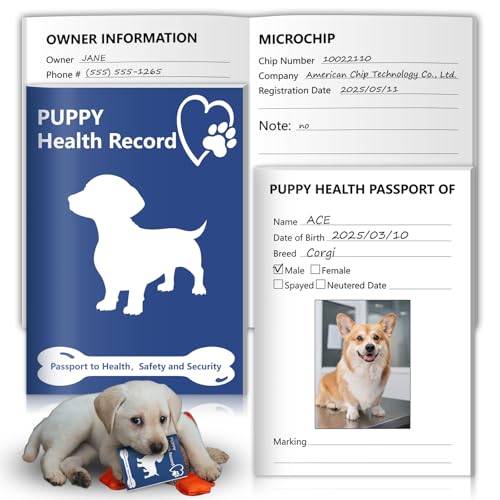
Remember: It's crucial to keep your dog's vaccination records. You will need them for vet visits, boarding, doggy daycare, traveling, and licensing. Most municipalities require proof of a current rabies vaccination to issue a dog license.
How Much Does the Rabies Vaccine Cost for Dogs?
The cost of a rabies vaccine for dogs can vary based on several factors, including your geographical location, the type of veterinary clinic you visit, and whether it's part of a comprehensive wellness exam. The price range is quite accessible, making it one of the most affordable and essential preventive care measures for your dog.
- Low-Cost Clinics & Shelters: Many animal shelters, non-profit organizations, and local health departments offer low-cost rabies vaccination clinics. Prices here can be as low as $10 to $20 per vaccine. This is an excellent option for budget-conscious pet owners.
- Private Veterinary Practices: At a private vet clinic, the cost for a rabies vaccine is typically between $20 and $50. This price often includes the cost of the vaccine itself and the administration fee. If the vaccine is given as part of a broader wellness or annual exam, the cost may be rolled into the total exam fee.
- Additional Costs: If your dog requires an exam before the vaccine, you may also be charged an office visit or consultation fee, which can range from $30 to $70. For a new puppy, the rabies vaccine is usually part of a series of vaccines (DHPP, etc.), so the total cost for the first year's vaccine series can be higher, but the rabies portion remains affordable.
Given that rabies is fatal and vaccination is required by law, the cost of the vaccine is a wise investment in your dog's health and your peace of mind. Compare prices in your area, but always ensure the vaccine is administered by a licensed professional to ensure it is properly handled and effective.
Common Side Effects & What to Watch For
Like all vaccines, the rabies vaccine can cause side effects. The vast majority of side effects are mild and short-lived. Serious allergic reactions are rare but require immediate veterinary attention. It's always a good idea to monitor your dog for a day or two after vaccination.
Common, Mild Side Effects
- Lethargy & Tiredness: Your dog may be sleepier than usual for 24 to 48 hours. This is a normal immune response.
- Mild Fever: A slight increase in body temperature can occur. This is also a normal reaction.
- Soreness at Injection Site: You might notice a small, firm bump or sensitivity where the shot was given. This usually resolves in a week or two.
- Decreased Appetite: Some dogs may eat less for a day or two. Ensure they have access to fresh water.
Serious Reactions (Rare)
- Facial Swelling: Swelling around the eyes, muzzle, or ears.
- Hives or Severe Itching: Raised red bumps on the skin.
- Vomiting & Diarrhea: Sudden digestive upset.
- Difficulty Breathing: Any sign of respiratory distress.
- Collapse: A sudden loss of consciousness or severe weakness.
If you notice any signs of a serious allergic reaction, contact your vet or an emergency veterinary clinic immediately. These reactions usually occur within minutes to a few hours after vaccination.
For dogs with a known history of vaccine reactions, your veterinarian may recommend pre-treating with antihistamines or using a different brand of vaccine. Always inform your vet of any previous reactions.
Legal Requirements & Licensing
In the United States, rabies vaccination is required by law in almost every state. The specific requirements vary, but the general principle is the same: all dogs over a certain age (usually 3 to 6 months) must be vaccinated against rabies. This is a public health measure designed to protect both animals and people.
- State & Local Laws: Your state and county or city will have specific ordinances regarding rabies vaccination. Some areas require annual vaccination, while others accept the 3-year vaccine. It is your responsibility to know and follow your local laws.
- Dog Licensing: Most counties require you to license your dog. Proof of a current rabies vaccination is almost always a prerequisite for obtaining a license.
- Travel & Boarding: If you plan to travel with your dog, board them, or use doggy daycare, they will require proof of rabies vaccination.
- Public Safety: The legal requirement is in place to minimize the risk of a rabies outbreak and to protect the public from this fatal disease.
Failure to comply with vaccination laws can result in fines, quarantine of your dog, and other legal penalties. More importantly, an unvaccinated dog is at risk of contracting and spreading this fatal disease. Ensuring your dog's rabies vaccination is current is a fundamental responsibility of pet ownership.
Types of Rabies Vaccines for Dogs
There are primarily two types of rabies vaccines used in dogs in the United States: the 1-year vaccine and the 3-year vaccine. Both are highly effective and safe. The main difference lies in the duration of immunity they provide.
- 1-Year Rabies Vaccine: This vaccine is typically a killed-virus (inactivated) vaccine. It provides immunity for one year and requires annual boosters. This is sometimes the only option available in certain areas or for specific breeds.
- 3-Year Rabies Vaccine: This is also a killed-virus or recombinant vaccine, but it's formulated with a higher antigen load or with an adjuvant that extends the immune response. It is approved for use every three years. Many veterinarians prefer the 3-year vaccine as it reduces the number of shots and visits for the dog.
The type of vaccine your dog receives often depends on what is available at your veterinary practice and what is approved by your local jurisdiction. The vet will choose the most appropriate vaccine based on your dog's health, age, and your local regulations. The important thing is that both types provide excellent protection.
Medical Exemptions & Titer Testing
In some rare cases, a dog may have a medical condition that makes vaccination a significant risk. For example, a dog with a severe, documented allergy to a component of the vaccine or a dog undergoing chemotherapy for cancer might be considered for a medical exemption. The decision to grant an exemption is made on a case-by-case basis by a licensed veterinarian.
Titer testing is another tool that some pet owners consider. A titer test measures the level of antibodies against rabies in your dog's blood. A positive titer result indicates that your dog has an adequate level of immunity and may not need a booster at that moment. However, it's important to note that:
- No Jurisdiction Accepts Titer Tests for Legal Compliance: As of now, titer tests are not a legal substitute for vaccination in any state or municipality. You must follow the law and vaccinate your dog.
- Vets May Use Titer Tests: Some veterinarians may use titer tests for dogs that have had a severe reaction in the past, to inform their clinical decision-making about future vaccinations. However, it does not replace the legal requirement.
Advice: If you are concerned about the rabies vaccine for your dog, discuss your concerns with your vet. They can provide guidance and, if appropriate, suggest options like pre-medication to reduce the risk of reactions, or determine if a medical exemption is appropriate. Do not forgo vaccination without a thorough conversation with your veterinarian.
Frequently Asked Questions
Key Takeaway: The rabies vaccine is a safe, effective, and legally required cornerstone of preventive healthcare for dogs. Vaccination not only protects your dog from a fatal disease but also safeguards public health. By staying up-to-date on your dog's rabies vaccination, you are acting as a responsible pet owner and a good citizen. If you have any questions, always consult with your vet.