Diphenhydramine Dosage for Dogs: How Many mg Can I Give My Dog?
A comprehensive, vet-informed guide to safely using diphenhydramine (Benadryl®) for your dog. Learn the correct dosage, potential side effects, and when to seek veterinary care.
⚠️ Critical Medical Warning: This information is for educational purposes only and does not constitute veterinary medical advice. Always consult your veterinarian before giving any medication to your dog. The dosage and safety of diphenhydramine depend on your dog's specific health status, weight, and concurrent medications.
Diphenhydramine, commonly known by the brand name Benadryl®, is a first-generation antihistamine frequently used in veterinary medicine. When you ask, "how many mg of diphenhydramine can I give my dog?" you are asking one of the most common questions for pet owners dealing with allergies, insect bites, or mild anxiety. The answer is straightforward: the standard dose is 1 mg per pound of body weight, given every 8 to 12 hours.
This guide will provide a clear, step-by-step approach to calculating the correct dosage, understanding the potential side effects, and recognizing when to seek professional help.
The Correct Diphenhydramine Dosage
The most widely accepted veterinary guideline for diphenhydramine in dogs is 1 mg per pound of body weight. This can be administered two to three times a day, meaning a total daily dose of 2-3 mg per pound, divided into separate doses.
- Standard Dose: 1 mg/lb (2.2 mg/kg) every 8-12 hours.
- Maximum Dose: Do not exceed 50 mg per dose for medium to large dogs, unless specifically directed by a veterinarian. For smaller dogs, the maximum single dose is usually around 25 mg.
- Frequency: The medication typically lasts 6-8 hours in dogs. Do not give a dose more frequently than every 8 hours unless under veterinary supervision.
- Product Warning: Only use diphenhydramine products that contain diphenhydramine as the only active ingredient. Many combination products contain decongestants (like phenylephrine) or pain relievers (like acetaminophen or NSAIDs) which are highly toxic to dogs.
Pro Tip: Always use the liquid formulation or a pill cutter to achieve an accurate dose. Never guess or use "about half." A slight overdose is often tolerated, but an accurate dose is crucial for safety and efficacy.
Dosage Calculator & Chart
Use the chart below as a quick reference. Remember: this is a guideline. Your veterinarian may adjust this based on your dog's specific needs.
| Dog's Weight (lbs) | Recommended Single Dose (mg) | Approximate Equivalent |
|---|---|---|
| 5 lbs | 5 mg | 1/2 of a 10mg tablet or 1/4 of a 25mg tablet |
| 10 lbs | 10 mg | 1 of a 10mg tablet |
| 15 lbs | 15 mg | ~2/3 of a 25mg tablet (use a pill cutter) |
| 20 lbs | 20 mg | ~3/4 of a 25mg tablet |
| 25 lbs | 25 mg | 1 of a 25mg tablet |
| 30 lbs | 30 mg | 1 of a 25mg tablet + ~1/4 of another |
| 40 lbs | 40 mg | 1.5 of a 25mg tablet |
| 50 lbs | 50 mg | 2 of a 25mg tablet (maximum single dose for most dogs) |
| 60 lbs | 50 mg | 2 of a 25mg tablet (do not exceed 50mg per dose without vet approval) |
| 75 lbs | 50 mg | 2 of a 25mg tablet (do not exceed 50mg per dose without vet approval) |
| 100 lbs | 50 mg | 2 of a 25mg tablet (do not exceed 50mg per dose without vet approval) |
If your dog's weight falls between these numbers, round down to the nearest manageable dose. For example, a 22-pound dog is closer to 20 mg than 25 mg, so a 20 mg dose is appropriate.
When to Use Diphenhydramine for Dogs
Diphenhydramine is most commonly used to alleviate symptoms related to allergies and mild anxiety. Here are the typical situations where it might be used:
- Allergic Reactions: This includes reactions to insect bites or stings (bees, wasps, spiders), environmental allergens (pollen, mold), or contact allergies. It helps reduce itching, swelling, and redness.
- Mild Anxiety or Motion Sickness: The sedative properties of diphenhydramine can help calm a dog during car rides, thunderstorms, or fireworks. It is not effective for severe or chronic anxiety disorders. For persistent anxiety, you might consider consulting a specialist or reading about dog behavior to understand the root cause.
- As a Pre-Medication: Vets sometimes prescribe it as a mild sedative before a minor procedure or to reduce a dog's reaction to a vaccine.
- Mild Skin Irritations: For localized itching or hives, diphenhydramine can provide relief while you identify the cause.
If your dog is experiencing severe allergies, persistent itching, or skin problems, a comprehensive approach that includes a proper diet and possibly supplements may be needed.
Potential Side Effects & Risks
While generally safe at the correct dose, diphenhydramine can cause side effects. Most are mild and temporary, but you should be aware of them.
- Common Side Effects: Drowsiness and lethargy are the most common and expected effects. Dry mouth (increased thirst) and mild incoordination can also occur.
- Less Common Side Effects: Some dogs may experience gastrointestinal upset like diarrhea or vomiting. Urinary retention (difficulty urinating) is also possible.
- Serious Side Effects (Seek Immediate Vet Care): If you notice any of the following, contact your veterinarian immediately: severe lethargy (unable to be roused), disorientation, agitation, seizures, rapid or shallow breathing, or an abnormally fast heart rate.
Overdose Risk: Symptoms of an overdose include extreme lethargy, tremors, seizures, vomiting, and respiratory depression. If you suspect an overdose, call your vet or the ASPCA Animal Poison Control Center (888-426-4435) immediately.
When to Avoid Diphenhydramine
Diphenhydramine is contraindicated in certain dogs. Do not give this medication without consulting your vet first if your dog has any of the following conditions.
- Known sensitivity or allergy to diphenhydramine or other antihistamines.
- Puppies under 12 weeks of age: Their systems are not mature enough to handle the medication safely.
- Glaucoma: Diphenhydramine can increase eye pressure.
- Hypertension or cardiovascular disease: Antihistamines can affect heart rate and blood pressure.
- Prostate issues or urinary obstruction: Can worsen urinary retention.
- Pregnant or nursing dogs: Safety has not been established.
For a broader view on supporting your dog's overall health, you might explore our guide on dog health or learn about managing your dog's weight to reduce the risk of many conditions.
Frequently Asked Questions
🛒 Ready to Purchase?
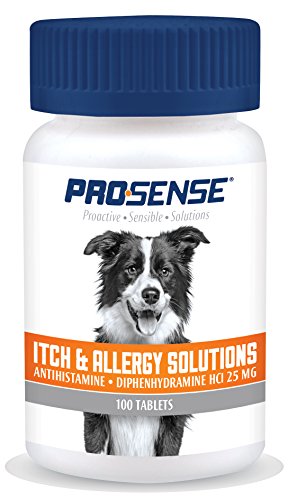
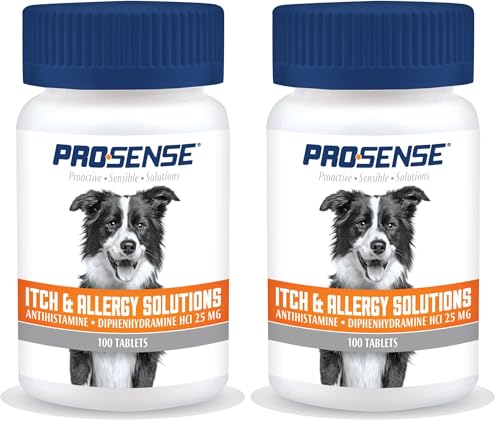
If you are considering giving diphenhydramine to your dog, always choose a product with diphenhydramine as the only active ingredient. The products listed below are safe and effective options. You can also find them at your local pharmacy. Always double-check the label to ensure it contains diphenhydramine only.
Disclaimer: The products shown are for informational purposes and are examples of the type of product to look for. Always follow the dosage instructions provided by your vet.