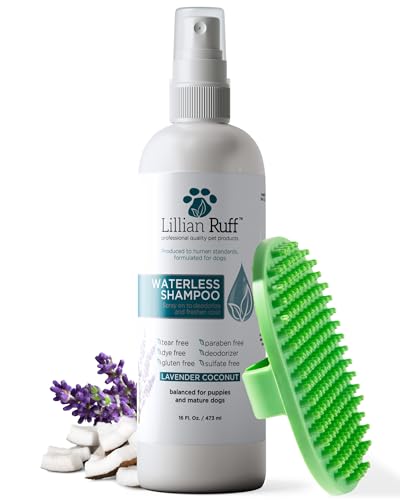
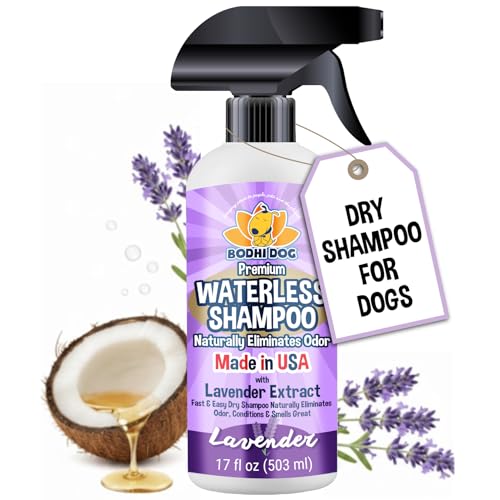
Dry Pet Shampoo for Dogs: The Complete Waterless Grooming Guide
Discover how dry shampoo can keep your dog clean, fresh, and healthy between baths — perfect for busy owners, senior dogs, and pups who hate water.
Keeping your dog clean is essential for their health and comfort, but traditional baths aren't always practical. Whether your dog dreads water, you're short on time, or your senior dog has mobility issues, dry pet shampoo for dogs offers a convenient solution. This waterless grooming product lets you freshen up your dog's coat without the mess and stress of a full bath.
In this comprehensive guide, we'll explore everything you need to know about dry shampoo for dogs — from how it works and its benefits to choosing the right formula and applying it correctly. Whether you're dealing with a muddy paw emergency or looking for a regular grooming solution between baths, this guide will help you make informed decisions.
If you're also looking for traditional bathing products, our dog shampoo guide covers everything you need for wet baths. And if you want to explore other grooming tools, check out our recommendations for dog brushes and dog dryers.
What Is Dry Pet Shampoo?
Dry pet shampoo, also known as waterless dog shampoo, is a grooming product designed to clean your dog's coat without rinsing. Unlike traditional shampoos that require water and thorough rinsing, dry shampoos work by absorbing dirt, oil, and odors from the fur and skin. They come in several forms, each suited to different needs and coat types.
The concept is similar to dry shampoo for humans — it's a quick fix that refreshes your dog's coat between regular baths. Most dry shampoos contain ingredients like cornstarch, oatmeal, baking soda, or specialized cleaning agents that bind to dirt and oil, making them easy to brush or wipe away.
Quick Fact: Dry shampoo is not a replacement for regular bathing. It's a supplemental grooming tool that helps maintain cleanliness between full baths. For optimal coat health, most dogs still need a traditional bath every 4-8 weeks.
Key Benefits of Waterless Shampoo
Dry shampoo offers several advantages that make it an essential part of many dog owners' grooming routines:
- Convenience: No water, no rinsing, no drying time. You can freshen up your dog in minutes, making it perfect for busy mornings or unexpected guests.
- Stress-free for water-averse dogs: Many dogs panic during baths. Dry shampoo eliminates the anxiety associated with water, slippery tubs, and loud dryers.
- Ideal for senior dogs: Older dogs with arthritis or mobility issues may struggle with traditional baths. Dry shampoo lets you keep them clean without physical strain. Learn more about caring for dogs with arthritis.
- Safe for puppies: Young puppies can't be bathed too frequently, but dry shampoo offers a gentle way to keep them fresh. Always choose puppy-safe formulas and consult our puppy guide for more tips.
- Post-surgery or injury care: If your dog has stitches or a wound that can't get wet, dry shampoo is a safe alternative to keep them clean during recovery.
- Quick odor control: Whether your dog rolled in something smelly or just needs a refresh, dry shampoo neutralizes odors instantly.
- Travel-friendly: Compact and easy to pack, dry shampoo is perfect for road trips, camping, or dog shows where bathing facilities aren't available.
- Reduces allergen buildup: Between baths, allergens like pollen and dander accumulate. Dry shampoo helps remove these, which can benefit allergy sufferers in the household.
Types of Dry Shampoo for Dogs
Dry shampoos come in several forms, each with its own advantages and best-use scenarios. Understanding these types helps you choose the right product for your dog's coat and lifestyle.
Spray Dry Shampoo
The most common type. Easy to apply evenly, often contains deodorizing and conditioning ingredients. Best for medium to long coats. Some formulas can leave residue if over-applied.
entry-level to premiumFoam Dry Shampoo
Expands on contact and penetrates deeper into the coat. Excellent for thick or double coats. Requires more massage time but provides thorough cleaning. Can be messier than sprays.
mid-rangePowder Dry Shampoo
Traditional formula using cornstarch or baking soda. Absorbs oils effectively. Best for short coats. Requires thorough brushing to remove residue. Can be messy to apply.
budget-friendlyWipe-On Dry Shampoo
Pre-moistened wipes for quick touch-ups. Ideal for paws, faces, and small areas. Not suitable for full-body cleaning. Great for puppies and sensitive areas.
entry-levelMedicated Dry Shampoo
Contains active ingredients for specific skin conditions like fungus or bacteria. Should only be used under veterinary guidance. Not for regular grooming.
premiumNatural/Organic Dry Shampoo
Made with plant-based ingredients, free from harsh chemicals. Ideal for dogs with sensitive skin or allergies. Often more expensive but gentler.
mid-tier to high-endHow to Choose the Best Formula
Not all dry shampoos are created equal. The right formula depends on your dog's coat type, skin sensitivity, and specific needs. Here's what to look for:
Consider Your Dog's Coat Type
| Coat Type | Recommended Formula | Application Tips |
|---|---|---|
| Short & Smooth | Powder or spray | Brush thoroughly after application to remove residue |
| Double Coat | Foam or spray | Work into undercoat, not just surface fur |
| Long & Silky | Spray or foam | Apply in sections to avoid matting |
| Curly & Woolly | Foam or spray | Massage into curls, then fluff with fingers |
| Sensitive Skin | Natural or oatmeal-based | Patch test first, avoid fragrances |
Key Ingredients to Look For
- Oatmeal: Soothes irritated skin and adds moisture. Excellent for dogs with dry or itchy skin.
- Aloe Vera: Hydrates and calms the skin. Look for products without added alcohol, which can dry out the coat.
- Baking Soda: Natural deodorizer that absorbs odors effectively.
- Cornstarch: Absorbs excess oil and dirt. Common in powder formulas.
- Essential Oils: Some are safe and beneficial (like lavender for calming), but many are toxic to dogs. Always verify safety before use.
- Vitamin E: Nourishes the coat and promotes healthy skin.
Ingredients to Avoid
- Alcohol: Dries out the skin and coat, causing irritation.
- Artificial Fragrances: Can trigger allergic reactions and respiratory issues.
- Parabens and Phthalates: Potentially harmful chemicals that can accumulate in the body.
- Tea Tree Oil: Toxic to dogs if ingested, even in small amounts.
- Citrus Oils: Can cause skin irritation and are toxic if licked off.
- Methylparaben and Propylparaben: Preservatives linked to health concerns.
Pro Tip: Always check the label for the words "dog-safe" or "veterinarian-approved." If the product is marketed for humans, don't use it on your dog. Human dry shampoos may contain ingredients that are toxic to pets.
Step-by-Step Application Guide
Using dry shampoo correctly ensures your dog gets the most benefit without any adverse effects. Follow these steps for best results:
- Brush First: Before applying any product, brush your dog thoroughly to remove loose dirt, hair, and debris. This step is crucial — if you skip it, you'll just be massaging dirt deeper into the coat. Use an appropriate dog brush for your dog's coat type.
- Choose the Right Location: Apply dry shampoo in a well-ventilated area, ideally outdoors or in a room with open windows. Some products can be dusty or have strong scents.
- Patch Test: Before full application, test a small amount on a less sensitive area (like the back of the neck or a leg). Wait 24 hours to check for any reaction. This is especially important for dogs with known skin sensitivities or allergies.
- Shake Well: Most dry shampoos separate during storage. Shake the bottle vigorously before use to ensure even distribution of ingredients.
- Apply Evenly: Hold the bottle 6-8 inches from your dog's coat. Spray or sprinkle in sections, starting from the back and working toward the head. Avoid the eyes, ears, nose, and mouth. For foam formulas, dispense a small amount into your hands first, then apply.
- Massage In: Use your fingers or a brush to work the product into the coat and down to the skin. Massage gently — this helps the shampoo absorb oils and dirt. For double-coated dogs, make sure you reach the undercoat.
- Let It Sit: Follow the product instructions for how long to leave it on. Typically, 1-5 minutes is sufficient. Some medicated formulas may require longer.
- Brush or Wipe Out: Use a clean brush or towel to remove the product thoroughly. For powder formulas, you may need to brush several times. For sprays, a damp towel can help remove residue.
- Reward Your Dog: Always end with praise and a treat. This creates a positive association with grooming, making future sessions easier. Check out our recommendations for dog treats.
Note: If your dog has mats or tangles, never apply dry shampoo directly to them. This can worsen the matting. Instead, gently work out tangles first with a detangling spray or consult a professional groomer.
When to Use Dry Shampoo
Dry shampoo is versatile, but it's best suited for specific situations. Knowing when to use it (and when not to) ensures your dog stays clean and healthy.
Ideal Scenarios for Dry Shampoo
- Between regular baths: If your dog's bath schedule is every 4-6 weeks, dry shampoo can freshen them up in between.
- After outdoor adventures: A quick session after a hike or trip to the dog park removes dirt and odors without a full bath. Always check for paw protection after outdoor activities.
- When your dog is sick or recovering: If your dog is ill, post-surgery, or has a condition that prevents bathing, dry shampoo keeps them clean. See our veterinary visit guide for post-surgery care.
- For senior dogs: Older dogs with mobility issues often struggle with traditional baths. Dry shampoo is a gentle alternative. Learn more about weight management and senior care.
- For puppies: Puppies can't be bathed too frequently until their immune systems are stronger. Dry shampoo offers a safe alternative.
- Before a dog show or event: Quick touch-ups before competitions or visits keep your dog looking their best.
- In cold weather: Bathing in winter can leave your dog chilled. Dry shampoo lets you freshen them up without the risk of hypothermia. See our winter care guide.
When to Bathe Instead
- Deep cleaning: If your dog is heavily soiled, greasy, or has rolled in something toxic, a full bath is necessary.
- Skin conditions: Medicated baths prescribed by your vet require full water baths for proper treatment.
- Flea infestations: A flea treatment bath is more effective than dry shampoo for active infestations. Learn about the best way to get rid of fleas.
- Product buildup: Overuse of dry shampoo can cause residue buildup that requires a thorough bath to remove.
- Before grooming appointments: Professional groomers typically prefer to start with a clean, bath-fresh coat.
Limitations & When to Bathe Instead
While dry shampoo is a fantastic grooming aid, it has limitations. Understanding these helps you use it appropriately and maintain your dog's coat health.
What Dry Shampoo Can't Do
- Deep cleaning: Dry shampoo removes surface dirt and oil but doesn't clean as thoroughly as a traditional bath with dog shampoo.
- Treat skin conditions: While some medicated formulas exist, dry shampoo is not a substitute for veterinary-prescribed treatments for skin infections, parasites, or allergies.
- Remove heavy debris: If your dog has mud, burrs, or sticky substances in their coat, dry shampoo won't remove them effectively.
- Condition the coat: While some formulas include conditioners, they don't provide the same deep conditioning as a wet bath with conditioner.
- Control shedding: Dry shampoo doesn't reduce shedding, though brushing (which is part of the application process) does help remove loose hair.
Balance Is Key: Use dry shampoo as a supplemental tool, not as a replacement for regular baths. Most dogs benefit from a full bath every 4-8 weeks, depending on their coat type, activity level, and lifestyle.
Safety Tips & Precautions
Dry shampoo is generally safe when used correctly, but there are important precautions to keep in mind:
- Never use human dry shampoo: Human products contain ingredients that may be toxic to dogs. Always choose a product formulated specifically for pets.
- Patch test first: Apply a small amount to a sensitive area and wait 24 hours to check for reactions.
- Avoid eyes, ears, and mouth: These areas are highly sensitive. If product accidentally gets into the eyes, rinse thoroughly with water and consult your vet.
- Don't overuse: Product buildup can clog hair follicles, leading to skin irritation. Use dry shampoo no more than every 3-4 days.
- Check for allergies: If your dog has known allergies or skin conditions, consult your vet before using any new product. See our guide for dogs with allergies.
- Use in ventilated areas: Spray and powder formulas can be inhaled. Keep your dog in a well-ventilated space during application.
- Don't use on broken skin: Avoid applying dry shampoo to cuts, wounds, or irritated skin. For wound care, see our dog first aid kit guide.
- Store properly: Keep dry shampoo out of reach of children and pets. Check expiration dates before use.
Common Mistakes to Avoid
Even with the best intentions, some mistakes can reduce the effectiveness of dry shampoo or harm your dog. Avoid these common errors:
- Skipping the pre-brush: Applying dry shampoo to an unbrushed coat just pushes dirt around. Always brush first.
- Applying too much product: More isn't better. Over-application leaves residue and can irritate the skin.
- Not massaging in: If you just spray and brush, the product won't reach the skin where it's needed.
- Forgetting to brush out: Leaving product in the coat can cause buildup and dullness. Always remove thoroughly.
- Using on matted fur: Dry shampoo can worsen mats. Detangle first or see a professional groomer.
- Using on puppies under 8 weeks: Very young puppies have very sensitive skin. Consult your vet first.
- Ignoring adverse reactions: If your dog shows signs of irritation, redness, or excessive scratching after application, discontinue use and consult your vet.
- Relying solely on dry shampoo: Remember, it's a supplement, not a replacement for regular bathing and grooming. A well-rounded grooming routine includes brushing, nail trimming, ear cleaning, and dental care. Check out our nail clippers and toothbrush recommendations.
Frequently Asked Questions
Ready to Choose the Best Dry Shampoo for Your Dog?
Dry pet shampoo is a game-changer for busy dog owners, water-averse pups, and senior dogs. By choosing the right formula, applying it correctly, and using it as part of a balanced grooming routine, you can keep your dog clean, fresh, and comfortable between baths. Remember: dry shampoo supplements regular bathing — it doesn't replace it. For a complete grooming toolkit, explore our recommendations for dog shampoo, dog brushes, and dog dryers. And if you're dealing with specific coat or skin issues, our dog products section has you covered. Your dog deserves to look and feel their best — and with the right dry shampoo, that's easier than ever.