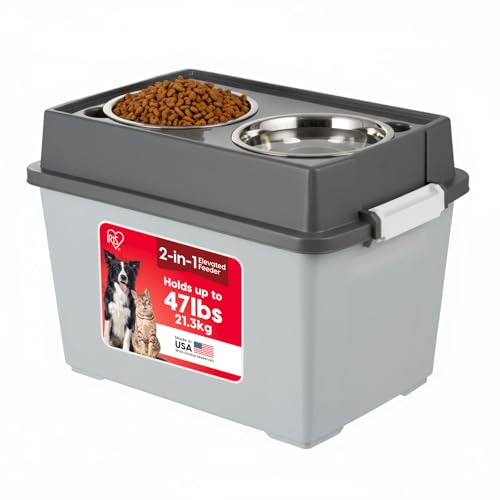
Elevated Dog Bowls for Large Dogs with Storage
Discover how a raised feeder with built-in storage can improve your large dog's comfort, digestion, and mealtime organization.
If you share your home with a large dog, you already know that mealtime involves more than just filling a bowl. Large breeds need feeders that accommodate their size, support their joint health, and keep your space organized. An elevated dog bowl with storage solves multiple problems at once — it raises food and water to a comfortable height, reduces strain on your dog's neck and joints, and keeps food, treats, and accessories neatly stored away.
This guide will walk you through everything you need to know about choosing the right elevated feeder for your large dog. From height considerations and material durability to storage capacity and safety, you will find the information you need to make a confident purchase.
Why Elevated Bowls Matter for Large Dogs
Large dogs face unique challenges at mealtime. A bowl placed on the floor forces them to crane their necks downward, which can strain the spine and neck muscles over time. For senior dogs, dogs with arthritis, or those recovering from injury, this posture can be painful and may discourage them from eating or drinking enough.
Elevated feeders bring the food and water up to a level that aligns with your dog's natural standing posture. This helps them eat more comfortably and may support better digestion. Many veterinarians recommend raised bowls for large breeds, especially those with conditions like arthritis or mobility issues.
Key Benefits of Elevated Bowls for Large Dogs:
• Reduces neck and joint strain
• Promotes better posture while eating
• May improve digestion and reduce gas
• Easier for senior dogs and those with arthritis
• Keeps water and food area cleaner
Beyond comfort, elevated bowls also help keep your feeding area tidy. Spills are contained more easily, and the raised design prevents your dog from pushing bowls across the floor. For large dogs who tend to eat enthusiastically, this can make a noticeable difference in daily cleanup.
Benefits of Built-In Storage
Adding storage to an elevated feeder transforms it from a simple stand into a functional piece of pet furniture. Large dogs eat more food per meal, which means you need a convenient place to store their kibble, treats, and accessories. A built-in storage compartment keeps everything within reach and reduces clutter in your kitchen or feeding area.
Practical Storage Advantages
- Organized feeding station: Keep food, treats, scoops, and even medications in one place.
- Space-saving design: Eliminates the need for separate food containers on your counter or floor.
- Quick refills: Store a portion of kibble directly in the feeder for easy topping off.
- Freshness protection: Many storage compartments include airtight seals to keep food fresh.
- Travel-friendly: Some models allow you to remove the storage section for trips or outdoor use.
Who Benefits Most from Storage?
Storage compartments are especially useful for:
- Owners of multiple large dogs who go through food quickly
- People with limited kitchen or pantry space
- Those who feed a mix of kibble and wet food
- Owners who want to keep treats and supplements handy
- Anyone looking to reduce mealtime mess and clutter
When choosing a feeder with storage, consider how much food you want to store. Some models offer small compartments for a few cups of kibble, while others provide larger bins that can hold a full day's worth of food for a giant breed. Think about your daily routine and how often you want to refill.
Choosing the Right Height
The height of an elevated feeder is the most important factor for your dog's comfort and safety. A feeder that is too low defeats the purpose, while one that is too high can cause your dog to eat in an unnatural position. For large dogs, the ideal height is typically between 12 and 20 inches, measured from the floor to the rim of the bowl.
How to Measure Your Dog
- Stand your dog on a level surface. Make sure they are standing naturally, not sitting or lying down.
- Locate the shoulder blade. Find the highest point of the shoulder blade (withers).
- Measure from the floor to the shoulder. Use a tape measure to find the distance from the floor to the top of the shoulder blade.
- Subtract 2-4 inches. The bowl rim should sit slightly below the shoulder height, around the lower chest level.
For most large breeds, this results in a feeder height of 12 to 16 inches. Giant breeds may need 16 to 20 inches. If your dog is between sizes, choose the lower height to start.
Height by Breed Size
- Medium-large (50-70 lbs): 10-14 inches
- Large (70-90 lbs): 12-16 inches
- Giant (90-120 lbs): 14-18 inches
- Extra giant (120+ lbs): 16-20 inches
Keep in mind that individual dogs vary. A tall, leggy Labrador may need a higher feeder than a shorter, stockier Rottweiler of the same weight.
Adjustable Height Tip: If you are unsure about the perfect height, consider a feeder with adjustable legs. These allow you to fine-tune the height as your dog grows or if their needs change over time. This is especially useful for puppies who will eventually reach large or giant size.
Materials & Durability
Large dogs are strong, and their feeding equipment needs to withstand daily use. The material of both the stand and the bowls plays a major role in durability, hygiene, and appearance. Here is a breakdown of the most common materials you will encounter.
Stainless Steel Bowls
Stainless steel is the gold standard for dog bowls. It is durable, rust-resistant, dishwasher-safe, and does not retain odors or bacteria. Most elevated feeders include stainless steel bowls, which is a sign of quality. Look for bowls with a gauge number — lower numbers mean thicker steel.
Premium ChoiceElevated Stand Materials
Stands are typically made from wood, metal, or plastic. Wood offers a furniture-like look and is sturdy, but requires more care. Metal stands are durable and easy to clean. Plastic stands are lightweight and budget-friendly but may not hold up to heavy use. Choose based on your dog's size and your home decor.
Varies by MaterialStorage Compartment Materials
Storage bins may be integrated into the stand or removable. Look for food-safe materials, airtight seals, and easy-to-clean interiors. Some models use BPA-free plastic, while others use stainless steel or wood. Avoid compartments that are difficult to access or clean.
Food-Safe PreferredNon-Slip Feet
Large dogs can push feeders around while eating. Rubber or silicone non-slip feet keep the stand in place and protect your floors from scratches. This is a small feature that makes a big difference in daily use.
Essential FeatureKey Features to Look For
Not all elevated feeders are created equal. When shopping for a large dog, prioritize features that enhance durability, convenience, and safety. Here are the most important ones to consider.
- Sturdy, wide base: Large dogs can be enthusiastic eaters. A wide, stable base prevents tipping and sliding. Look for feeders with a low center of gravity and non-slip feet.
- Removable stainless steel bowls: These are easy to clean and replace. Avoid feeders with permanently attached bowls, as they are harder to sanitize.
- Adjustable height: If your dog is still growing or you want flexibility, adjustable legs are a valuable feature. They allow you to customize the height as needed.
- Storage capacity: Consider how much food you want to store. A small compartment works for treats, while a larger bin can hold several cups of kibble.
- Airtight seals: If you store kibble in the feeder, an airtight seal keeps food fresh and prevents pests. Look for gaskets or locking lids.
- Easy assembly and cleaning: Choose a feeder that is simple to put together and take apart for cleaning. Dishwasher-safe bowls are a major plus.
- Non-slip feet: Rubber or silicone feet keep the feeder in place and protect your floors.
If you are also looking for other feeding accessories, such as dog food containers or dog bowls, you can find more options in our product guides.
Safety Considerations
While elevated feeders offer many benefits, there are some safety considerations to keep in mind, especially for large, deep-chested breeds. Gastric dilatation-volvulus (GDV), commonly known as bloat, is a life-threatening condition that can affect large dogs. Some studies suggest a possible link between raised feeders and increased bloat risk, though the evidence is not conclusive.
Important: If your dog is a deep-chested breed (such as a Great Dane, Standard Poodle, German Shepherd, or Boxer), consult your veterinarian before switching to an elevated feeder. They can help you weigh the benefits against potential risks.
Other safety tips for elevated feeders:
- Secure the feeder: Ensure the stand is stable and does not wobble. A tipping feeder can scare your dog or cause injury.
- Check for sharp edges: Inspect the stand and bowls for rough edges or loose parts that could injure your dog.
- Clean regularly: Bacteria can grow in bowls and storage compartments. Wash bowls daily and wipe down the stand weekly.
- Monitor your dog: Watch how your dog adjusts to the new height. If they seem uncomfortable or are not eating, try a different height or consult your vet.
For more information on keeping your dog healthy and safe, explore our dog care guide.
Frequently Asked Questions
Ready to Choose the Best Elevated Feeder for Your Large Dog?
Now that you understand the benefits, height requirements, materials, and safety considerations, you are ready to make an informed decision. Browse our recommended products below to find the perfect elevated dog bowl with storage for your large breed companion.