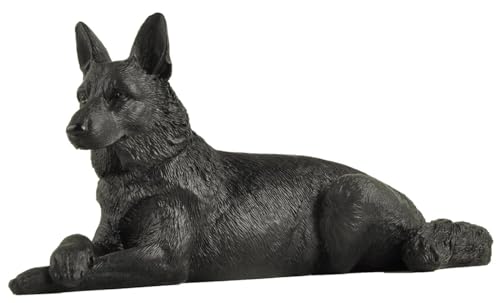
The Black German Shepherd: A Complete Guide to This Striking and Loyal Companion
Discover the unique characteristics, temperament, training needs, and care requirements of the solid black German Shepherd — a rare and elegant variation of one of the world's most versatile working breeds.
The Black German Shepherd is a striking and elegant variation of the German Shepherd Dog breed. With its solid, jet-black coat and noble bearing, it cuts an impressive figure. While the classic black and tan German Shepherd is instantly recognizable, the solid black version is a rarer and equally remarkable dog. This guide will provide you with everything you need to know about this exceptional breed, from its history and temperament to its specific care requirements. Whether you are researching the breed before bringing one home or are simply fascinated by this beautiful canine, you will find comprehensive and practical information here.
This breed is more than just a pretty face. The Black German Shepherd is a highly intelligent, versatile, and loyal dog. They are renowned for their work in police and military roles, as service dogs, and as devoted family guardians. If you are considering adding one to your family, it's essential to understand the commitment involved. For those seeking a black German Shepherd puppy, finding a responsible breeder is paramount. You can learn more about how to find a reputable dog breeder and what questions to ask a dog breeder to ensure you are getting a healthy and well-bred dog.
Origins & History of the Black German Shepherd
The German Shepherd Dog was developed in Germany in the late 19th century by Max von Stephanitz, who aimed to create the ultimate herding and working dog. The breed was founded on a dog named Horand von Grafrath, who was known for his intelligence and abilities. While the early breeding program focused on working ability rather than appearance, a variety of coat colors and patterns existed from the beginning, including solid black.
The solid black coat is a recessive genetic trait. This means that for a puppy to be born with a solid black coat, both parents must carry the recessive gene for black coloring, even if they themselves are not black. This is why the black German Shepherd is less common than the black and tan variety. However, it has always been a recognized and accepted color within the breed standard by major kennel clubs around the world.
Despite their rarity, black German Shepherds have served with distinction in police K-9 units, the military, and as search and rescue dogs. Their solid color can sometimes make them appear more imposing, but their work ethic and capabilities are identical to their black and tan counterparts. For those interested in the history of similar working dogs, exploring the history of the Black Lab German Shepherd mix can provide interesting context on how these traits are passed down.
Temperament & Personality of the Black German Shepherd
The temperament of a Black German Shepherd is the same as any other German Shepherd. They are known for being:
- Intelligent: German Shepherds are consistently ranked as one of the most intelligent dog breeds. They learn quickly and excel at complex tasks.
- Loyal and Protective: They form deep bonds with their families and are naturally protective of their home and loved ones. This makes them excellent watchdogs and guardians.
- Confident and Courageous: They possess a confident and fearless nature, which is why they are so well-suited for police and military work.
- Active and Energetic: This is a high-energy breed that requires a job to do. Without adequate physical and mental stimulation, they can become bored and destructive.
- Trainable: Their eagerness to please and high intelligence make them highly trainable. They thrive on structure and clear leadership.
It is a common misconception that Black German Shepherds are more aggressive than other colors. This is entirely false. Temperament is influenced by genetics, breeding, and environment — not coat color. A well-bred and properly socialized Black German Shepherd is a stable, confident, and loving companion. Aggression is a result of poor breeding, lack of socialization, or inadequate training. If you are looking for a black German Shepherd, it is crucial to find a breeder who prioritizes temperament and health. You can learn more about ethical breeding practices to ensure you are supporting a responsible breeder.
Is a Black German Shepherd Right for You?
This breed is best suited for active individuals or families who can commit to providing extensive exercise, training, and mental stimulation. They are not ideal for first-time dog owners who are not prepared for the breed's demanding needs. If you are considering a black German Shepherd puppy, be prepared for a lifelong commitment to their physical and mental well-being.
Training & Socialization
Training a Black German Shepherd is not just recommended; it is essential. Their intelligence and strength require an owner who can provide consistent, positive leadership from day one. Early socialization and obedience training are critical to shaping a well-behaved and confident adult dog.
The Importance of Early Socialization
Socialization should begin with your puppy as early as possible, typically between 3 and 14 weeks of age. During this critical period, expose your puppy to a wide variety of people, places, sounds, and other animals in a positive and controlled manner. This helps prevent fear-based aggression and anxiety later in life. A well-socialized Black German Shepherd is friendly and confident in new situations.
Positive Reinforcement Training
German Shepherds respond best to positive reinforcement training methods. This involves rewarding desired behaviors with treats, praise, or play. Punishment-based methods can damage your bond with your dog and lead to fear and aggression. Keep training sessions short, fun, and consistent. Their eagerness to work makes them a joy to train.
Focus on basic obedience commands like sit, stay, come, and heel. Once these are mastered, you can move on to more advanced training. Their intelligence means they excel at activities like agility training, trick training, and even service dog training. If you are interested in a dog with similar working potential, you might also research the Black Lab German Shepherd mix, which also combines high intelligence with a strong work drive.
Training Tip: Mental stimulation is just as important as physical exercise for this breed. A 10-minute training session can tire your German Shepherd out as much as a 30-minute walk. Incorporate puzzle toys and scent games into their daily routine.
Exercise & Activity Needs
The Black German Shepherd is a high-energy working breed. They are not content to be couch potatoes. A lack of exercise can lead to serious behavioral problems, including destructive chewing, excessive barking, and anxiety. As a general rule, they need a minimum of 1.5 to 2 hours of vigorous exercise every day.
This exercise should be a mix of physical and mental activities. A simple walk around the block is not enough. Here are some ideas for keeping your Black German Shepherd physically and mentally fit:
- Brisk Walks and Hikes: A long, brisk walk or hike is an excellent way to burn physical energy and allow your dog to explore the world through scent.
- Running and Fetch: German Shepherds love to run and play fetch. A game of fetch in a securely fenced yard or park is a great way to provide intense exercise.
- Mental Stimulation: Use puzzle toys and interactive toys to challenge their mind. Snuffle mats and frozen Kongs are also great for providing mental enrichment.
- Training Sessions: Regular training sessions are a fantastic form of mental exercise. Teach new commands or practice old ones in different environments.
- Dog Sports: Consider enrolling in dog sports like agility, Schutzhund, or tracking. These activities are perfect for channeling their energy and intelligence.
Under-exercised German Shepherds can become a handful. If you notice signs of boredom, such as chewing or digging, it is a clear sign they need more exercise and stimulation. For more ideas on keeping your dog active, explore our guide on daily exercise requirements for dogs.
Health & Lifespan
Like all purebred dogs, the Black German Shepherd is prone to certain hereditary health conditions. Reputable breeders screen their breeding dogs for these issues to reduce the risk of passing them on. By choosing a puppy from health-tested parents and maintaining regular veterinary care, you can help your dog live a long and healthy life.
Common Health Concerns
Some of the health issues that can affect German Shepherds include:
- Hip and Elbow Dysplasia: A common and painful joint condition. Breeders should have their dogs' hips and elbows evaluated and scored by a recognized organization.
- Bloat (Gastric Dilatation-Volvulus): A life-threatening condition where the stomach twists. It is more common in deep-chested breeds like the German Shepherd. You can learn more about bloat in dogs and preventive gastropexy.
- Degenerative Myelopathy: A progressive disease of the spinal cord that leads to weakness and paralysis in the hind legs.
- Allergies and Skin Conditions: German Shepherds can be prone to skin allergies and sensitivities. A high-quality diet is important. If your dog suffers from allergies, you may find our guide on the best dry dog food for German Shepherd with skin allergies helpful.
Lifespan and Senior Care
The average lifespan of a Black German Shepherd is between 9 and 13 years. As they age, they may benefit from a diet formulated for senior dogs and joint supplements. Regular veterinary check-ups become even more important to monitor for age-related conditions like arthritis. Our guide on supporting dog joint health naturally can provide useful tips for keeping your senior dog comfortable.
| Health Aspect | Typical Range | Recommended Action |
|---|---|---|
| Average Lifespan | 9-13 years | Provide quality nutrition, regular exercise, and preventive vet care. |
| Hip Dysplasia Risk | Moderate to High | Choose a puppy from parents with good hip scores. Maintain lean weight. |
| Bloat Risk | Moderate to High | Feed smaller meals more frequently. Avoid vigorous exercise right after eating. |
| Allergy/ Skin Issue Risk | Moderate | Feed a high-quality diet. Regular grooming to check for skin issues. |
Grooming & Coat Care
The Black German Shepherd has a dense, double coat that requires regular grooming to stay healthy and manage shedding. While their solid black coat is stunning, it also shows dirt and dander more readily than lighter colors, so a consistent grooming routine is beneficial.
Here is what you need to know about grooming a Black German Shepherd:
- Brushing: Brush your dog at least 2-3 times per week with a slicker brush and an undercoat rake. During shedding season (spring and fall), daily brushing is necessary to remove loose undercoat.
- Bathing: Bathe your Black German Shepherd every 2-3 months, or when they get dirty. Use a high-quality dog shampoo to avoid stripping natural oils from their skin and coat.
- Nail Trimming: Trim their nails every 2-4 weeks. You can use dog nail clippers or a grinder. If you can hear their nails clicking on the floor, they are too long.
- Dental Care: Brush your dog's teeth several times a week using a dog toothbrush and dog-specific toothpaste. Dental health is crucial for overall health.
- Ear Cleaning: Check and clean their ears weekly with a vet-approved ear cleaner to prevent infections.
Regular grooming is not just about keeping your dog looking good. It is an opportunity to check for lumps, bumps, skin irritations, or parasites. It also strengthens the bond between you and your dog.
Finding a Reputable Breeder
If you have decided that a Black German Shepherd is the right dog for you, the next step is to find a responsible and ethical breeder. Because the solid black coat is a recessive trait, there are fewer breeders specializing in this color. It is crucial to do your research and avoid backyard breeder dangers and puppy mills.
A reputable breeder will:
- Health test their breeding dogs for hip and elbow dysplasia, and other genetic conditions.
- Be transparent about the health and temperament of their dogs.
- Allow you to visit their facility and meet the puppy's parents.
- Provide a written contract and health guarantee, such as a health guarantee for puppies.
- Ask you many questions to ensure their puppy is going to a suitable home.
- Be knowledgeable about the breed and involved in German Shepherd clubs or rescue.
Before you buy a puppy, use our puppy visit checklist to ensure you cover all the important points. You should also familiarize yourself with red flags of a bad dog breeder. A responsible breeder is your best resource for a healthy, well-tempered Black German Shepherd puppy. If you are interested in a puppy with a similar solid black coat, you might also explore the black female German Shepherd puppies for sale from reputable sources.
Frequently Asked Questions About the Black German Shepherd
Is a Black German Shepherd Your Perfect Match?
The Black German Shepherd is a magnificent, intelligent, and loyal dog that makes a wonderful companion for the right owner. They are not for everyone, as they require a significant commitment of time, energy, and resources. However, if you are an active individual or family with a passion for training and a desire for a deeply devoted canine partner, this breed could be your perfect match. Always prioritize health, temperament, and responsible breeding when searching for your new best friend. The journey is well worth it.