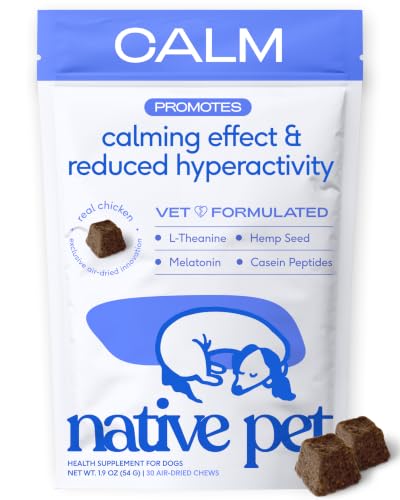
Calming Chews for Dogs: A Complete Guide to Anxiety Relief
Learn how calming chews work, what ingredients are backed by science, and how to choose the right supplement for your dog's stress, anxiety, and relaxation needs.
If you share your life with a dog who trembles during thunderstorms, paces anxiously when you leave the house, or panics at the vet, you already know how heartbreaking it is to watch them struggle. Dog anxiety is one of the most common behavioral concerns reported by owners, affecting an estimated one in four dogs at some point in their lives. While severe anxiety often requires veterinary intervention and behavior modification, many dogs benefit from gentler support — and that is where calming chews for dogs come in.
Calming chews are edible supplements designed to promote relaxation without sedating your dog. They combine ingredients like chamomile, L-theanine, and tryptophan to help your dog feel more at ease during stressful situations or as part of a daily anxiety management plan. But not all calming chews are created equal, and understanding what is inside the bag matters just as much as understanding your dog's anxiety triggers.
This guide walks you through everything you need to know about calming chews for dogs — how they work, which ingredients have scientific backing, how to choose the right product for your dog's specific needs, and how to use them safely and effectively.
What Are Calming Chews for Dogs?
Calming chews for dogs are soft, palatable treats or supplements formulated with natural or synthetic compounds that promote relaxation. Unlike prescription anti-anxiety medications, which alter brain chemistry more directly and require veterinary oversight, calming chews work gently on the nervous system to reduce stress responses without causing drowsiness or personality changes.
They are typically given before a known stressor — fireworks, thunderstorms, travel, grooming appointments, or veterinary visits — or on a daily basis for dogs with generalized anxiety. Most dogs accept them readily because they are flavored with ingredients like chicken, peanut butter, or bacon, making them easy to administer without the struggle of hiding a pill.
Calming chews are not a substitute for addressing the root causes of anxiety. They work best as part of a comprehensive approach that may include positive behavior modification, environmental management, and in severe cases, professional guidance from a certified behaviorist or veterinary behaviorist.
Important Distinction:
Calming chews are supplements, not medications. They are regulated as animal feed or nutraceuticals, not as drugs, which means they do not undergo the same rigorous testing and approval process as prescription medications. Quality varies significantly between brands. Always research the manufacturer and consult your veterinarian before adding any supplement to your dog's routine.
How Do Calming Chews Work?
Calming chews influence the nervous system through several pathways. Understanding these mechanisms helps you choose products that match your dog's specific anxiety profile and predict how quickly they will take effect.
The Neurotransmitter Connection
Anxiety in dogs, much like in humans, involves an overactive stress response. The brain releases excitatory neurotransmitters like glutamate and stress hormones like cortisol, which trigger the physical symptoms of anxiety — rapid heart rate, panting, pacing, and trembling. Calming chews work by either increasing the availability of inhibitory neurotransmitters like GABA and serotonin, or by blocking the effects of excitatory ones.
Common Mechanisms of Action
- GABA enhancement: Ingredients like chamomile and valerian root increase the activity of gamma-aminobutyric acid (GABA), the brain's primary calming neurotransmitter. This slows neural activity and produces a relaxed but alert state.
- Serotonin support: Tryptophan and 5-HTP are precursors to serotonin, the mood-regulating neurotransmitter. By increasing serotonin availability, these ingredients can reduce anxiety and improve emotional balance.
- L-theanine: Found naturally in green tea, L-theanine promotes relaxation without sedation by increasing alpha brain wave activity. It works within 30 to 60 minutes and is one of the most well-researched calming ingredients for dogs.
- Adaptogens: Ingredients like ashwagandha and rhodiola help the body resist stress by modulating the stress response. They are slower-acting and best suited for daily, long-term use.
- Pheromone mimics: Some chews include ingredients that mimic dog-appeasing pheromones (DAP), which naturally calm puppies and adult dogs. These work through the olfactory system rather than digestion.
The onset of effects varies by ingredient and formulation. Fast-acting chews with L-theanine or chamomile typically take 30 to 60 minutes to work, while slower-acting adaptogens may need several days of consistent use to build up in the system. This is why it is important to match the product to your intended use — a chew for fireworks needs to work quickly, while a daily chew for separation anxiety can afford a slower onset.
Key Ingredients to Look For
The effectiveness of a calming chew depends almost entirely on its ingredient list. Here are the most common and well-researched ingredients you should look for, along with what the science says about each.
Science-Backed Calming Ingredients
- L-Theanine: An amino acid found in green tea that promotes relaxation without drowsiness. Studies in dogs show it reduces stress-related behaviors during thunderstorms and veterinary visits. It works within 30 to 60 minutes and is considered very safe. Look for doses between 1 and 2 mg per pound of body weight.
- Chamomile: A gentle herb with mild sedative properties that has been used for centuries to calm anxiety and aid digestion. It works by increasing GABA activity. Safe for most dogs, though dogs with allergies to plants in the daisy family should avoid it.
- Valerian Root: A natural sedative that also increases GABA levels. Effective for mild to moderate anxiety, though some dogs experience paradoxical excitement. Best used for situational anxiety rather than daily management.
- L-Tryptophan: An essential amino acid that the body converts into serotonin. It is the same compound that makes you feel sleepy after Thanksgiving turkey. Research supports its use for reducing anxiety and stress behaviors in dogs, though higher doses may cause mild drowsiness.
- Passionflower: A flowering plant that increases GABA in the brain. Often combined with chamomile and valerian for a synergistic calming effect. Safe for most dogs and effective for mild anxiety.
- Ashwagandha: An adaptogenic herb that helps the body manage stress. It is slower-acting and best suited for daily use to reduce baseline anxiety. Research in dogs is limited but promising, and it is generally considered safe.
- Melatonin: A hormone that regulates sleep and wake cycles. Useful for nighttime anxiety, noise phobias, and sleep disturbances. It can cause drowsiness, so it is best given in the evening or before a stressful event that requires rest.
- Ginger: Often included to soothe the stomach, which can become upset during periods of anxiety. It is not directly calming but supports overall comfort during stressful events.
Red Flags in Ingredient Lists:
Avoid products that list "proprietary blend" without disclosing individual ingredient amounts. Look for clear dosages for each active ingredient. Also avoid artificial preservatives like BHA, BHT, and ethoxyquin, as well as artificial colors and flavors, which offer no benefit and may cause adverse reactions in sensitive dogs.
Types of Calming Chews
Calming chews come in several formulations, each suited to different situations and levels of anxiety. Understanding the distinctions helps you choose the right product for your dog.
Fast-Acting Situational Chews
Designed for acute stress events like thunderstorms, fireworks, travel, or vet visits. Contain quick-onset ingredients like L-theanine, chamomile, and melatonin. Effects begin within 30 to 60 minutes and last 4 to 8 hours. Best for dogs with mild to moderate situational anxiety.
Mid-range to premiumDaily Maintenance Chews
Formulated for dogs with generalized anxiety or chronic stress. Contain adaptogens like ashwagandha, rhodiola, and L-tryptophan that build up in the system over days or weeks. Slower onset but longer-lasting effects. Best for separation anxiety, noise phobias, and nervous temperaments.
Mid-tier to high-endCombination Formulas
Blend fast-acting and slow-acting ingredients for both immediate relief and long-term support. Ideal for dogs with unpredictable anxiety triggers or those transitioning to a new environment. Often include L-theanine, chamomile, tryptophan, and ashwagandha in one chew.
PremiumHemp and CBD Chews
Contain hemp seed oil or CBD extract, which interact with the endocannabinoid system to reduce anxiety and inflammation. Legal in most areas but regulations vary. Quality and potency vary widely between brands. Consult your vet before use, especially if your dog takes medication.
Premium to luxuryPrescription-Strength Alternatives
Over-the-counter chews with higher doses of active ingredients for dogs with moderate anxiety. Not the same as prescription medication but stronger than standard supplements. Best for dogs who have not responded to standard calming chews but do not yet need prescription intervention.
High-endPuppy-Specific Calming Chews
Gentler formulas with lower doses of active ingredients, designed for puppies during socialization, crate training, and their first experiences with grooming or vet visits. Often include colostrum or DAP mimics for additional calming support.
Entry-level to mid-rangeHow to Choose the Best Calming Chew for Your Dog
With hundreds of products on the market, choosing the right calming chew can feel overwhelming. Use these criteria to narrow down your options and find a product that is both safe and effective for your dog.
Key Selection Criteria
- Match the ingredients to your dog's anxiety type: For situational anxiety like thunderstorms or vet visits, choose a fast-acting chew with L-theanine, chamomile, or melatonin. For daily anxiety or separation anxiety, choose a chew with adaptogens like ashwagandha or L-tryptophan that build up over time.
- Check the dosage and concentration: A chew that works for a 10-pound Chihuahua will not work for a 90-pound Labrador. Look for products that provide clear dosing guidelines based on weight, or that offer different strength formulas for different dog sizes.
- Verify third-party testing: Reputable brands have their products tested by independent laboratories to verify ingredient potency and purity. This is especially important for hemp and CBD products, which are not tightly regulated.
- Read the full ingredient list: Avoid products with artificial preservatives, colors, and flavors. Look for natural ingredients you recognize and can pronounce. Be wary of "proprietary blends" that do not disclose individual ingredient amounts.
- Consider your dog's dietary restrictions: If your dog has food allergies or sensitivities, check the chew for common allergens like chicken, wheat, corn, or dairy. Many brands offer grain-free, chicken-free, or limited-ingredient options.
- Check for veterinary approval: Some calming chews are formulated by veterinarians or recommended by veterinary behaviorists. While this is not a guarantee of effectiveness, it does indicate that a professional has reviewed the formula.
- Start with a small quantity: Before committing to a large bag, buy the smallest size available and test your dog's response. Some dogs respond well to one brand but not another, and some may have mild digestive upset with certain ingredients.
Comparison of Calming Chew Types
| Type | Best For | Onset of Action | Duration | Typical Ingredients |
|---|---|---|---|---|
| Fast-Acting Situational | Thunderstorms, fireworks, travel, vet visits | 30–60 minutes | 4–8 hours | L-theanine, chamomile, melatonin |
| Daily Maintenance | Generalized anxiety, separation anxiety | Days to weeks | Ongoing | Ashwagandha, tryptophan, rhodiola |
| Combination Formulas | Mixed or unpredictable anxiety triggers | 30–60 minutes plus cumulative | 4–8 hours plus ongoing | L-theanine, chamomile, tryptophan |
| Hemp/CBD Chews | Moderate anxiety, inflammation-related stress | 30–90 minutes | 4–6 hours | Hemp seed oil, CBD isolate or full-spectrum |
| Puppy-Specific | Crate training, socialization, first vet visits | 30–60 minutes | 4–6 hours | Chamomile, L-theanine, DAP mimics |
When and How to Use Calming Chews
Getting the timing and administration right can make the difference between a chew that works and one that seems ineffective. Follow these guidelines for best results.
Timing for Situational Anxiety
For predictable stressors like fireworks, thunderstorms, or travel, give the chew 45 to 60 minutes before the event begins. If you are traveling by car, give it about an hour before you plan to leave, so it has time to take effect before the stress of the car ride begins. For vet visits, give it an hour before your appointment time, accounting for travel.
Timing for Daily Anxiety Management
If your dog has generalized anxiety or separation anxiety, give the chew at the same time each day. Consistency is key for adaptogenic ingredients to build up in the system. Giving it with a meal improves absorption and reduces the risk of stomach upset. Many owners find that giving the daily chew about an hour before the most stressful part of the day — such as when you leave for work — works best.
Administration Tips
- Give the chew on an empty stomach for faster absorption, or with a small meal if your dog has a sensitive stomach.
- If your dog is a fast eater, break the chew into smaller pieces to prevent choking.
- Do not give more than the recommended dose. More is not better and can cause drowsiness or digestive upset.
- If your dog refuses the chew, try crumbling it over food or hiding it inside a small amount of peanut butter or cheese.
- Keep a log of when you give the chew and how your dog responds. This helps you fine-tune the timing and dosage for future events.
Do Calming Chews Need to Be Given Every Day?
No, unless you are using a daily maintenance formula for chronic anxiety. Situational chews can be given only as needed, before stressful events. If you find yourself giving a situational chew multiple times per week, it may be worth discussing a daily maintenance formula or a behavior modification plan with your veterinarian.
Safety, Side Effects & Precautions
Calming chews are generally safe for healthy dogs when used as directed, but they are not without risks. Being informed about potential side effects and contraindications ensures you use them responsibly.
Common Side Effects
- Mild drowsiness: Some dogs become sleepy, especially with melatonin or higher doses of valerian root. This is usually mild and resolves as the chew wears off.
- Digestive upset: Vomiting or diarrhea can occur, particularly if the chew is given on an empty stomach or if your dog is sensitive to a specific ingredient.
- Paradoxical excitement: A small percentage of dogs become more anxious or hyperactive instead of calm, especially with valerian root or chamomile. If this happens, discontinue use and consult your vet.
- Increased appetite or thirst: Some ingredients can stimulate appetite or thirst. This is usually harmless but worth monitoring.
- Allergic reactions: Rare but possible, especially with herbal ingredients. Signs include itching, hives, swelling, or difficulty breathing. Seek immediate veterinary care if you suspect an allergic reaction.
When to Avoid Calming Chews
Do not give calming chews without veterinary approval if your dog:
- Is taking prescription medication, especially anti-anxiety drugs, sedatives, or antidepressants. Interactions can be dangerous.
- Has liver or kidney disease, as ingredients may not be metabolized properly.
- Is pregnant or nursing.
- Has a history of seizures, as some ingredients may lower the seizure threshold.
- Is scheduled for surgery within 48 hours, as some ingredients can interact with anesthesia.
- Has a known allergy to any ingredient in the chew.
Veterinary Consultation Is Essential: Before giving your dog any calming chew, especially for the first time, consult your veterinarian. They can help you choose a safe product, rule out underlying medical causes of anxiety, and determine whether a supplement or a different approach is most appropriate for your dog's specific situation.
Natural Alternatives & Complementary Strategies
Calming chews are just one tool in the anxiety management toolbox. For the best results, combine them with other strategies that address the root causes of your dog's anxiety.
- Behavior modification: Desensitization and counter-conditioning are the gold standard for treating anxiety. Work with a certified positive reinforcement trainer or behaviorist to gradually change your dog's emotional response to triggers.
- Environmental management: Reduce your dog's exposure to anxiety triggers where possible. Use white noise or calming music during thunderstorms, create a safe space with a crate or covered dog bed, and block visual triggers with curtains or privacy film.
- Calming products: Anxiety wraps apply gentle pressure to the torso, similar to swaddling a baby, and can reduce anxiety in some dogs. Pheromone diffusers release dog-appeasing pheromones into the air to promote calm. Explore our guide to dog calming products for more options.
- Exercise and mental stimulation: A tired dog is a calmer dog. Ensure your dog gets adequate physical exercise and mental enrichment every day. Puzzle toys, snuffle mats, and training sessions can help burn off nervous energy.
- Routine and predictability: Dogs thrive on routine. Feed, walk, and play at the same times each day. Predictability reduces baseline anxiety and makes your dog more resilient to unexpected stressors.
- Professional help: For severe anxiety, a veterinary behaviorist can prescribe anti-anxiety medication alongside a behavior modification plan. This is not a last resort — it is a legitimate treatment for a medical condition.
Common Mistakes to Avoid
These mistakes can undermine the effectiveness of calming chews or put your dog at risk. Learn from them to get the most out of your anxiety management plan.
- Giving the chew too late. Calming chews need time to work. Giving one as the fireworks are already exploding is too late. Plan ahead and give it 45 to 60 minutes before the stressor.
- Using calming chews as the only solution. Supplements work best alongside behavior modification and environmental management. Relying on chews alone addresses the symptoms, not the cause.
- Not consulting a veterinarian. Anxiety can have underlying medical causes like pain, thyroid issues, or neurological conditions. A vet can rule these out before you invest in supplements.
- Buying based on price alone. Cheaper products often use lower-quality ingredients, undisclosed fillers, or insufficient doses of active ingredients. Quality matters more than cost when it comes to your dog's health.
- Ignoring dosage instructions. Giving too little may have no effect; giving too much can cause side effects. Follow the label or your vet's instructions exactly.
- Not giving the chew enough time to work. Some ingredients take days or weeks to build up. If you are using a daily maintenance chew, give it at least two weeks before deciding whether it is working.
- Punishing anxious behavior. Never punish your dog for being scared. Punishment increases anxiety and damages trust. Instead, reward calm behavior and create distance from the trigger.
Frequently Asked Questions
Final Thoughts on Calming Chews for Dogs
Calming chews can be a valuable tool for helping your dog manage stress and anxiety, but they are not a magic bullet. They work best when combined with a comprehensive approach that includes understanding your dog's triggers, modifying the environment, and using positive reinforcement training. Always consult your veterinarian before starting any supplement, and choose products from reputable brands that prioritize quality and transparency. With the right combination of support, patience, and professional guidance, you can help your dog feel more relaxed and confident in any situation.