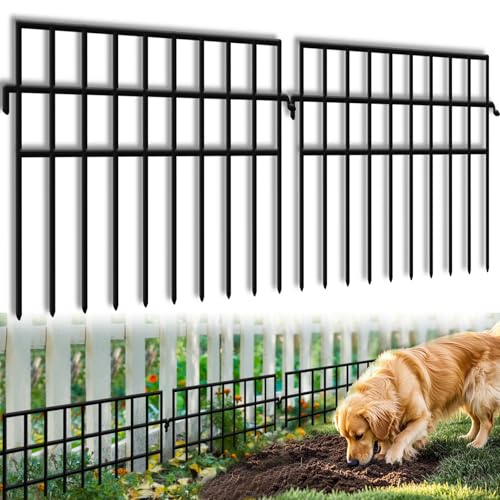
Cheapest Way to Keep Dogs From Digging Under Fence
Practical, low-cost barrier solutions that actually stop diggers — plus how to address the behavior behind the digging so your fence stays secure for good.
A dog who digs under the fence is more than a nuisance — it is a safety risk. Every escape exposes your dog to traffic, other animals, and the chance of getting lost. The good news is that the most effective fix is also one of the least expensive: a buried wire apron attached to your existing fence line.
This guide walks you through the cheapest barrier methods, ranks them by cost tier so you can choose what fits your situation, and explains how to combine a physical barrier with simple behavioral changes. If you have already tried a basic dog fence setup and your dog still gets out, the solutions below will close the gap.
Why Dogs Dig Under Fences
Before spending anything, understand the motivation. A barrier only works if it addresses the reason your dog is digging in the first place. Most digging under fences falls into a few predictable categories.
- Boredom and pent-up energy: A dog left alone in the yard with nothing to do will invent a job — and digging is a satisfying one. Under-exercised dogs are the most common diggers.
- Prey drive: Squirrels, moles, and rabbits on the other side of the fence are irresistible. The dog is not trying to escape; they are trying to catch something.
- Escaping a stressor: Loud noises, thunderstorms, or a neighbor's barking dog can push a dog to dig out. This is an anxiety problem wearing a digging costume.
- Seeking cool ground: In hot weather, dogs dig to reach cooler soil and lie in the depression.
- Reinforced habit: Every successful escape teaches the dog that digging works. This is why the barrier needs to be reliable the first time.
Quick reality check: If your dog is digging out to escape noise or anxiety, a physical barrier alone will not solve the problem. Pair the barrier with management — bring the dog inside during storms, provide a safe indoor space, and consider a calming product if anxiety is the root cause. Our guide on anxiety wraps for dogs covers low-cost calming options.
The Cheapest Solution: A Buried Wire Apron
The lowest-cost reliable fix is an L-shaped wire apron. You attach a roll of welded wire or hardware cloth to the bottom of your existing fence, then bend the bottom section outward and bury it just below the surface. A digging dog hits the wire within a few inches and stops.
Why it works so well: dogs dig straight down at the fence line, not two feet into the yard. The apron puts a hard, uncomfortable surface exactly where the digging happens, and because the horizontal leg is buried shallowly, it requires minimal excavation and no concrete.
What You Need
- Welded wire or hardware cloth: A roll with roughly 1-inch or 2-inch openings and a height of 24-36 inches. Hardware cloth is stiffer and longer lasting; welded wire is the budget-friendly choice.
- Heavy-duty zip ties or fence staples: To fasten the wire to the existing fence and stakes.
- Landscape staples or U-pins: To pin the horizontal leg flat against the ground.
- Work gloves and tin snips: Wire edges are sharp.
- Optional gravel: A thin layer over the buried leg helps hide it and adds a texture deterrent.
This approach is popular precisely because it is affordable and reversible. If you later replace the fence, the wire comes up easily. For a broader look at fence types and how they compare, see our dog fence guide. If your dog is a climber as well as a digger, a fence with a leaning top section or a roller-style topper may be worth considering.
Barrier Options Compared by Cost Tier
No prices are listed here — tiers are relative, so you can compare options without worrying about outdated numbers. Choose based on how determined your dog is and how permanent you want the fix to be.
| Method | Cost Tier | Durability | Best For |
|---|---|---|---|
| Buried wire apron (L-shape) | Budget-friendly | Good, 3-7 years | Most casual diggers and first-time fixes |
| Gravel trench along fence line | Budget-friendly | Good, needs occasional topping up | Dogs that dislike rough texture under paws |
| Paver base / stepping stones | Mid-tier | Very good, 10+ years | High-traffic dig spots and neat borders |
| Hardware cloth skirt + gravel | Mid-tier | Excellent, 10+ years | Determined diggers |
| Poured concrete curb | Premium | Permanent | Severe diggers, new fence installs |
| Invisible / electronic fence | Premium to luxury | Depends on training and battery upkeep | Open yards without physical fencing |
| Coyote rollers (anti-climb) | Premium | Long-lasting | Dogs that climb or jump, not dig |
For most households, the buried wire apron is the best value. It solves the most common digging pattern at the lowest tier. If your dog has already defeated a simple apron, step up to hardware cloth plus gravel — still mid-tier, but far more resistant to persistent digging.
Step-by-Step Installation
This is a weekend project for most yards and requires only hand tools. Work in sections so you can stop and check for gaps as you go.
- Clear the base of the fence. Remove grass, weeds, and loose soil along the fence line so the wire can sit flush. Look for existing holes and note where your dog focuses their digging — those spots get extra reinforcement.
- Measure and cut the wire. Cut strips long enough to run about 12-24 inches up the fence and 12-24 inches out into the yard. A 24-36 inch roll gives you enough for both legs.
- Bend the wire into an L-shape. Lay the strip flat and bend it along its length so one leg stands vertical and the other lies horizontal. Wear gloves — the cut edges are sharp.
- Attach the vertical leg to the fence. Zip-tie or staple the upright section to the fence mesh or rails, starting at the bottom. Overlap strips by a few inches so there are no gaps a nose can push through.
- Bury the horizontal leg. Dig a shallow trench 2-4 inches deep and lay the horizontal leg into it, pointing into the yard. Pin it down with landscape staples every couple of feet.
- Backfill and tamp. Cover the wire with soil and press it down firmly. A thin layer of gravel on top hides the wire and adds a texture your dog will avoid.
- Check for gaps. Walk the entire line on your hands and knees if needed. Any gap at a corner or gate is where the next escape will happen. Reuse the same method around gates and dog gates.
Pro tip: Do not skip the corners. Dogs test fence lines and find weak points at corners and gate posts first. Overlap the wire at every corner and secure it tightly. If your yard has a gate, make sure the apron continues under the gate opening — a determined dog will dig right at the gate line.
Gravel and Paver Trench Method
If you want a tidier look or your dog is not deterred by wire alone, a gravel or paver trench is a strong budget-to-mid-tier upgrade. The idea is to replace the soft, diggable soil at the fence base with a surface your dog does not want to dig through.
Gravel Trench
Dig a trench 6-12 inches wide and 4-6 inches deep along the inside of the fence. Line it with landscape fabric to keep weeds down, then fill with coarse gravel or river rock. The fabric also makes it harder for the dog to dig through the base. Top up the gravel once a year as it settles.
Paver Base
For a more permanent and neat finish, set a row of pavers or stepping stones along the fence line, flush with the ground. Use a compacted base of sand or crushed stone under the pavers so they do not shift. This is mid-tier in cost but lasts many years and doubles as a mowing border.
Combine for the Best Result
The strongest affordable combination is a buried wire apron with a gravel trench on top of the horizontal leg. The wire stops the dig, and the gravel removes the appeal of the soft soil at the surface. This pairing is mid-tier at most and handles even persistent diggers.
If digging is happening in flower beds along the fence rather than directly at the base, a low electric fence to keep dogs out of flower beds is a specialized option, though usually more expensive than a simple apron.
Addressing the Digging Behavior
A barrier buys you time and safety. Behavior work makes the barrier hold long term. The cheapest behavior fixes cost nothing at all.
- Increase exercise. A tired dog digs less. Add a longer walk or a vigorous fetch session before your dog goes into the yard alone. This is the single highest-impact free change.
- Provide mental work. Puzzle toys and chew toys give a bored dog an appropriate outlet. Rotate toys so they stay interesting.
- Create a legal digging zone. Some dogs dig because it is fun. A sandbox or designated digging pit gives them an approved place to dig and takes pressure off the fence line.
- Supervise outdoor time. Do not leave a known digger alone in the yard for long stretches. Interrupt digging early and redirect to a toy or a training session.
- Teach a solid recall. A dog who comes when called can be redirected before they commit to digging. Our dog and puppy training classes guide covers options for building reliable recall.
- Manage the triggers. If prey animals are the draw, remove attractants near the fence — bird feeders, fallen fruit, and brush piles. If noise is the trigger, bring the dog inside during storms.
If your dog's digging is paired with anxiety, pacing, or destructive behavior in the house, it may be worth consulting a professional. Our guide on behavior modification techniques explains the basic approach, and when to see a behaviorist helps you decide if professional help is warranted.
Common Mistakes to Avoid
- Burying the wire too deep. The apron only needs to be 2-4 inches down. Deeper burial means more work and no extra benefit — the dog hits the wire before digging that far anyway.
- Leaving gaps at corners and gates. A single unsecured corner defeats the entire project. Overlap and fasten every joint.
- Using chicken wire alone. Chicken wire is flimsy and rusts quickly. Welded wire or hardware cloth lasts much longer for a modest upgrade.
- Ignoring the behavior. A barrier without exercise and mental stimulation just moves the problem. Dogs who are bored will find another way out.
- Punishing the dog after the fact. Scolding a dog hours after digging does nothing except damage trust. Interrupt in the moment and redirect.
- Assuming one fix is permanent. Check the apron after heavy rain, frost, or landscaping work. Re-pin loose sections and top up gravel.
Frequently Asked Questions
The Bottom Line
Start with the buried wire apron. It is the cheapest reliable barrier, installs in a weekend with hand tools, and closes the gap your dog is exploiting. Add a gravel trench if your dog is persistent, and pair the barrier with more exercise and mental stimulation so the digging urge fades. If your dog is also a jumper, our dog fence guide covers combined dig-and-climb defenses. And if you are still picking out fencing, the same guide compares materials so you can choose one that resists digging from the start.