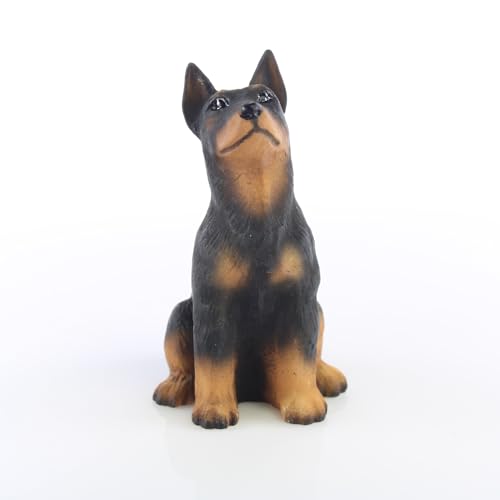
Doberman Pinscher Puppies for Sale with Ears Cropped
Your complete guide to finding healthy, well-bred Doberman Pinscher puppies with cropped ears — including what ear cropping involves, how to identify reputable breeders, health testing, and responsible ownership.
The Doberman Pinscher is one of the most recognizable and respected dog breeds in the world. Known for their sleek, muscular build, intelligence, and unwavering loyalty, Dobermans are celebrated as both exceptional family guardians and highly capable working dogs. If you are searching for Doberman Pinscher puppies for sale with ears cropped, you are likely looking for a puppy that embodies the breed's traditional appearance — and you want to make sure you are buying from a source that prioritizes health, temperament, and ethical breeding practices.
This guide will walk you through everything you need to know before bringing a Doberman puppy home. From understanding the ear cropping procedure and its aftercare to identifying a reputable Doberman Pinscher breeder, this resource is designed to help you make a confident, informed decision. Whether you are a first-time Doberman owner or adding another to your family, the information here will help you avoid costly mistakes and find a puppy that will grow into a healthy, well-adjusted adult.
About the Doberman Pinscher
The Doberman Pinscher originated in Germany in the late 19th century, developed by Karl Friedrich Louis Dobermann, a tax collector who needed a loyal and protective companion. The breed was refined over decades by crossing several breeds — likely including the Rottweiler, German Pinscher, and Black and Tan Terrier — to create the intelligent, athletic, and fearless dog we know today.
Temperament and Characteristics
Dobermans are often described as "velcro dogs" because of their intense desire to be near their owners. They are:
- Highly intelligent: Dobermans rank among the most trainable breeds, excelling in obedience, protection work, and canine sports like agility training.
- Loyal and protective: They form deep bonds with their families and are naturally wary of strangers. Early socialization is essential to prevent over-protectiveness.
- Energetic and athletic: These dogs need substantial daily exercise. A bored Doberman can become destructive, so mental and physical stimulation are non-negotiable.
- Sensitive and responsive: Dobermans respond best to positive reinforcement training. Harsh methods damage their trust and can create anxiety or aggression.
Quick Breed Facts:
• Size: Large breed — males typically 26-28 inches tall, females 24-26 inches
• Weight: Males 75-100 lbs, females 60-90 lbs
• Lifespan: 10-12 years on average
• Coat: Short, smooth, and easy to maintain — available in black, red, blue, and fawn with rust markings
• Energy level: High — requires 1-2 hours of vigorous daily exercise
Understanding Ear Cropping in Doberman Puppies
When searching for Doberman Pinscher puppies for sale with ears cropped, it is important to understand exactly what this procedure involves, when it is performed, and what aftercare entails. Ear cropping is a cosmetic surgical procedure that has been part of the Doberman's traditional appearance for over a century.
What Is Ear Cropping?
Ear cropping — technically called otoplasty — is a surgical procedure in which part of the ear flap (pinna) is removed and the remaining ear is shaped to stand upright. The procedure is typically performed by a licensed veterinarian between 7 and 12 weeks of age, while the puppy's ear cartilage is still soft and pliable.
After surgery, the ears must be taped and posted — a process that involves wrapping the ears around a foam or cardboard support — for several weeks or even months until the cartilage hardens and the ears stand independently. This aftercare is time-consuming and requires patience and consistency.
Important Note: Ear cropping is a controversial procedure. It is legal in the United States but banned or restricted in many countries, including parts of Europe, Australia, and some Canadian provinces. Always check your local laws and consider the ethical implications before purchasing a puppy with cropped ears. Many veterinarians now decline to perform the procedure for cosmetic reasons.
What to Expect from a Breeder Offering Cropped Ears
If you are specifically looking for a Doberman puppy with cropped ears, here is what a responsible breeder should provide:
- Documentation of the procedure: The breeder should be able to tell you which veterinarian performed the crop, when it was done, and provide records of the aftercare.
- Proper aftercare: Puppies with cropped ears require weeks of taping and posting. A good breeder will handle this or provide detailed instructions if the puppy is sold before the ears are fully healed.
- Health clearances: Ear cropping should never come at the expense of health testing. The breeder must still provide proof of hip, heart, and genetic testing for the puppy's parents.
- Honest communication about risks: A reputable breeder will discuss potential complications such as infection, poor ear carriage, or the need for revision surgery — not just the aesthetic result.
Natural Ears vs. Cropped Ears
Some owners choose to leave their Doberman's ears natural (uncropped). Natural ears are floppy and fold over, giving the dog a softer, more approachable appearance. There is no health benefit to cropping — it is purely cosmetic. If you are open to either option, consider that natural ears require less aftercare and avoid the risks associated with surgery.
Finding Reputable Doberman Pinscher Breeders
The breeder you choose has the single greatest impact on your puppy's health, temperament, and long-term well-being. Unfortunately, the popularity of Dobermans — especially those with cropped ears — attracts unscrupulous breeders who prioritize profit over the welfare of their dogs.
Where to Start Your Search
- Breed clubs: The Doberman Pinscher Club of America (DPCA) maintains a breeder referral list. Breed club members are typically required to follow a code of ethics, including health testing and proper socialization.
- Dog shows and events: Attending conformation shows, obedience trials, or agility events gives you the opportunity to meet breeders in person and see their dogs in action.
- Veterinary referrals: Ask your veterinarian if they know of reputable Doberman breeders in your area. Vets often know which breeders take health testing seriously.
- Online directories: Websites that list Doberman Pinscher breeders can be a starting point, but always verify the breeder's credentials independently.
Red Flags to Avoid
Walk away from any breeder who:
- Cannot or will not provide health clearances for the puppy's parents (hips, heart, von Willebrand disease, thyroid)
- Refuses to let you visit the puppies or see where they are raised
- Sells puppies through a third party, pet store, or online marketplace without meeting you
- Has multiple litters available year-round — this often indicates a puppy mill or backyard breeder
- Cannot answer basic questions about the breed, health testing, or the puppies' daily routine
- Pressures you to buy immediately or requires a deposit before you have seen the puppy
Ask for These Documents:
• Hip dysplasia clearance (OFA or PennHIP)
• Cardiac evaluation (echo or Holter monitor for DCM)
• von Willebrand disease DNA test
• Thyroid panel results
• Eye examination clearance (CERF/OFA)
• Pedigree and AKC registration papers (if applicable)
Health Testing & Common Doberman Health Issues
Dobermans are a relatively healthy breed when bred responsibly, but they are prone to several serious hereditary conditions. Understanding these risks helps you ask the right questions and choose a breeder who is actively working to reduce them.
Hereditary Conditions in Dobermans
- Dilated Cardiomyopathy (DCM): The most serious health concern in the breed. This heart condition causes the heart muscle to weaken and enlarge, leading to heart failure. It often goes undetected until advanced stages. Reputable breeders screen breeding dogs with echocardiograms and Holter monitors.
- von Willebrand Disease (vWD): A bleeding disorder caused by a deficiency in a clotting protein. Dogs with vWD may bleed excessively after surgery or injury. A DNA test can identify carriers and affected dogs.
- Hip Dysplasia: A malformation of the hip joint that causes pain and arthritis. Breeders should provide OFA or PennHIP clearances for both parents.
- Hypothyroidism: An underactive thyroid gland causes weight gain, lethargy, and skin problems. It is manageable with medication but should be screened for in breeding dogs.
- Cervical Vertebral Instability (Wobbler Syndrome): A spinal condition that causes neck pain, weakness, and difficulty walking. More common in large breeds.
- Gastric Dilatation-Volvulus (Bloat): A life-threatening condition where the stomach twists. Dobermans are at higher risk. Feeding smaller meals more frequently and avoiding vigorous exercise after meals can help reduce risk.
Why Health Testing Matters
When you buy a puppy from a breeder who performs health testing, you are not just buying a puppy — you are buying years of careful breeding decisions that reduce the likelihood of inherited disease. A breeder contract should include a health guarantee and clear terms for what happens if a genetic condition is diagnosed.
If you are considering a Doberman mixed breed, such as a Doberman Pinscher German Shepherd mix, health testing is equally important. Mixed breeds can inherit conditions from both parent breeds.
Puppy Care Essentials for Doberman Pinschers
Bringing a Doberman puppy home is an exciting time, but it also comes with significant responsibility. These puppies grow quickly — a Doberman puppy may gain 10 pounds or more per month during their first year — and their needs change rapidly as they develop.
Nutrition and Feeding
Doberman puppies need a high-quality, large-breed puppy food that supports controlled growth. Rapid growth can increase the risk of joint problems, so it is important not to overfeed. Feed measured meals 3-4 times daily for young puppies, transitioning to twice daily as they mature.
Look for a food that meets AAFCO standards for large-breed growth and contains high-quality animal protein as the first ingredient. You can explore options in our puppy food guide or consult your veterinarian for personalized recommendations.
Exercise and Joint Health
Doberman puppies should not be over-exercised. Their growth plates remain open until around 18 months of age, and excessive high-impact activity can cause long-term damage. Instead of long runs or intense agility work, focus on:
- Short, frequent play sessions (10-15 minutes at a time)
- Free play in a safely enclosed area
- Gentle walks on soft surfaces
- Puzzle toys and interactive dog toys for mental stimulation
As your Doberman matures, gradually increase exercise intensity. Adult Dobermans need at least 1-2 hours of vigorous daily activity, including running, hiking, and training sessions.
Grooming and Hygiene
The Doberman's short coat is low-maintenance compared to many breeds. A weekly rubdown with a quality dog brush or grooming mitt removes loose hair and distributes natural oils. Bathe only when necessary — typically every 2-3 months — using a gentle dog shampoo.
Other grooming tasks include:
- Nail trimming: Every 2-4 weeks using sharp dog nail clippers
- Ear cleaning: Weekly, especially important for cropped ears during the healing process
- Dental care: Daily brushing with a dog toothbrush and enzymatic toothpaste
Training & Socialization
Dobermans are highly intelligent and eager to please, but they are also strong-willed and protective. Without proper training and socialization, they can become difficult to manage — especially males, who can weigh over 100 pounds.
Start Early
Begin training the moment your puppy comes home. Doberman puppies are capable of learning basic commands like sit, stay, and come as early as 8 weeks old. Keep sessions short (5-10 minutes), positive, and fun. Use high-value treats and plenty of praise.
Enrolling in a puppy training class is highly recommended. Not only does it teach obedience, but it also provides structured socialization opportunities with other puppies and people.
Socialization Is Non-Negotiable
The critical socialization window for puppies is between 3 and 14 weeks of age. During this time, expose your Doberman puppy to as many new people, places, sounds, and experiences as possible — always in a positive, controlled way. A well-socialized Doberman is confident and friendly; an under-socialized one may become fearful or aggressive.
For more guidance, see our articles on dog behavior, behavior modification techniques, and managing dog aggression.
Advanced Training
Once your Doberman has mastered basic obedience, consider advanced training activities such as:
- Agility training — great for physical and mental stimulation
- Obedience competitions
- Protection sports (Schutzhund/IPO)
- Therapy dog work
- Tracking and scent work
What to Expect Financially
Owning a Doberman is a significant financial commitment. Beyond the initial purchase price, you will need to budget for food, veterinary care, training, grooming, insurance, and supplies. While we do not list specific prices here, it is important to understand the relative costs involved.
| Expense Category | Relative Cost Tier | Notes |
|---|---|---|
| Puppy purchase price | Premium to luxury | Depends on breeder reputation, pedigree, health testing, and ear crop status |
| Ear cropping surgery | Mid-range to premium | Includes surgery, anesthesia, and initial aftercare supplies |
| Food (monthly) | Mid-range to premium | Large-breed formula; costs increase as the puppy grows |
| Veterinary care (first year) | Mid-range to premium | Vaccinations, deworming, wellness exams, spay/neuter |
| Training classes | Mid-range | Puppy kindergarten, basic obedience, advanced training |
| Supplies (crate, bed, bowls, leash, etc.) | Entry-level to premium | One-time and replacement costs; quality varies |
| Pet insurance (monthly) | Mid-range to premium | Highly recommended for Dobermans due to breed health risks |
For a detailed breakdown of what goes into a puppy price by breed, see our dedicated guide. Keep in mind that a lower purchase price often means fewer health clearances, less socialization, and higher long-term veterinary costs.
Questions to Ask Before You Buy
Before committing to a Doberman puppy, ask the breeder these essential questions. A reputable breeder will welcome your questions and answer them openly.
- What health tests have been performed on the parents? Ask for OFA or PennHIP hip scores, cardiac evaluations (echo/Holter), vWD DNA results, and thyroid panels. See our full list of questions to ask a breeder.
- Can I see the puppies' living environment? A good breeder will invite you to visit. Puppies should be raised in a clean, stimulating environment — not in cages or outdoors.
- What is included in the purchase contract? A breeder contract should cover health guarantees, return policies, and spay/neuter agreements.
- Have the puppies been socialized? Ask about handling, exposure to different surfaces, sounds, and people. Puppies raised in isolation often develop anxiety and behavior problems.
- What vaccinations and deworming have been done? Puppies should receive their first vaccinations and deworming before going to their new homes. See our DHPP vaccine guide for puppies.
- Can I meet the mother (and ideally the father)? Meeting the dam gives you insight into the puppy's future temperament and size.
- What happens if I can no longer care for the dog? A responsible breeder will take back the dog rather than see it end up in a shelter.
Frequently Asked Questions
Final Thoughts
Bringing a Doberman Pinscher puppy into your home is a rewarding experience, but it requires commitment, patience, and a willingness to learn. Focus on finding a breeder who prioritizes health and temperament above all else — the ear crop, while visually striking, is secondary to the dog's well-being. Whether your Doberman has cropped or natural ears, what matters most is that they are healthy, well-socialized, and loved. For more breed-specific resources, explore our guides on Doberman Pinscher puppies for sale, Doberman Pinscher breeders, and Doberman Pinscher breed information.