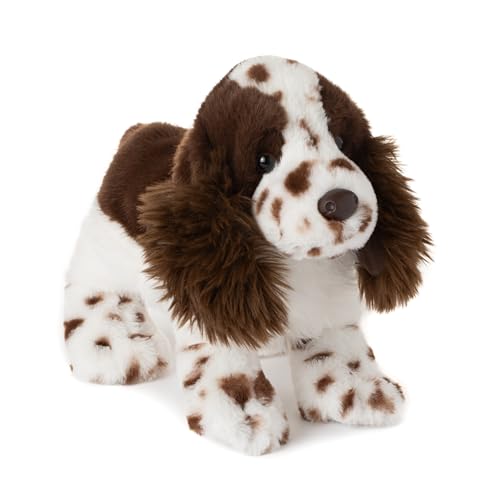
English Springer Spaniel: Breed Guide, Temperament & Care
The English Springer Spaniel is a cheerful, affectionate, and highly energetic gun dog that thrives on companionship and activity. Whether you're looking for a family pet or a working partner, this breed offers loyalty, intelligence, and endless enthusiasm.
The English Springer Spaniel is one of the most versatile and beloved gun dog breeds in the world. Developed in England to flush game from brush, these dogs are renowned for their boundless energy, keen noses, and unwavering loyalty to their owners. Today, they excel not only in the field but also as family companions, therapy dogs, and competitors in agility and obedience.
If you're considering bringing an English Springer Spaniel into your home, this guide will walk you through everything you need to know — from their exercise requirements and grooming needs to health concerns and training strategies. By the end, you'll understand whether this breed is the right match for your lifestyle and how to give them the best possible life.
Breed Origins & History
The English Springer Spaniel traces its roots to England, where spaniels have been used as hunting dogs for centuries. The breed was formally recognized in the early 20th century after being separated from other spaniel types. The name "Springer" comes from their hunting style — they "spring" game birds into the air so hunters can retrieve them.
Unlike many working breeds that have lost their original purpose, the English Springer Spaniel remains a highly capable field dog. In fact, there are two distinct lines: field-bred Springers (smaller, lighter, and bred for hunting) and show-bred Springers (larger, heavier, and bred for conformation). Both share the same affectionate, energetic temperament, but their exercise and grooming needs can differ slightly.
The breed's popularity soared in the United States after World War II, and today they consistently rank among the most popular dog breeds. Their combination of beauty, brains, and athleticism makes them a favorite for active families and outdoor enthusiasts. If you're exploring other gun dog breeds, you might also appreciate the English Setter or the English Pointer, both of which share similar working roots.
Temperament & Personality
The English Springer Spaniel is known for its merry, affectionate, and eager-to-please nature. They form strong bonds with their families and are generally good with children, other dogs, and even cats if properly socialized. However, their high energy and enthusiasm mean they can be a bit rambunctious, especially when young.
Key Personality Traits
- Affectionate: Springers love being with their people and can suffer from separation anxiety if left alone for long periods.
- Intelligent: They learn quickly and enjoy mental challenges, but can become bored and destructive without stimulation.
- Energetic: These are high-drive dogs that need a job to do — whether it's fetching, hiking, or advanced training.
- Friendly: They are generally outgoing with strangers, which makes them poor guard dogs but excellent social companions.
- Alert: They will bark to announce visitors, but usually greet them with a wagging tail rather than aggression.
Potential Behavioral Challenges
- Separation anxiety: Springers are prone to distress when left alone, which can lead to barking, chewing, or escaping.
- Destructive chewing: Without enough exercise, they may redirect their energy into chewing furniture or digging.
- Selective hearing: Their hunting instincts can make them ignore commands when following a scent — recall training is essential.
- Jumping up: Their enthusiasm often translates into jumping on people, which requires consistent training to manage.
Understanding these tendencies helps you address them proactively. For more on managing common behavior issues, see our guide on dog behavior.
Size, Appearance & Coat
English Springer Spaniels are medium-sized dogs with a compact, well-muscled build. They have long, pendulous ears, a feathered tail, and a distinctive liver-and-white or black-and-white coat. Their expression is soft and intelligent, with gentle eyes that reflect their friendly nature.
| Attribute | Field-Bred | Show-Bred |
|---|---|---|
| Height (male) | 18–20 inches | 19–21 inches |
| Height (female) | 17–19 inches | 18–20 inches |
| Weight (male) | 35–50 lbs | 45–55 lbs |
| Weight (female) | 30–45 lbs | 40–50 lbs |
| Coat Length | Medium, shorter | Medium, thicker |
| Energy Level | Very high | High |
Their coat is weather-resistant and comes in several color combinations: liver and white, black and white, or either of these with tan markings. The fur is straight or slightly wavy, with feathering on the ears, chest, legs, and belly. Regular grooming is necessary to prevent mats and keep the coat healthy — more on that in the grooming section.
Exercise & Activity Needs
This is not a breed for couch potatoes. English Springer Spaniels were bred to work long days in the field, and they retain that stamina today. Without adequate exercise, they can become restless, destructive, and difficult to manage. A tired Springer is a happy Springer.
Daily Exercise Requirements
- Physical activity: At least 1–2 hours of vigorous exercise daily. This can include brisk walks, jogging, hiking, fetching, or swimming.
- Mental stimulation: 15–30 minutes of training, puzzle toys, or scent games. Mental work tires them out as much as physical exercise.
- Off-leash time: Safe, enclosed areas where they can run freely and explore scents are ideal. Their recall must be reliable before off-leash adventures.
- Structured activities: Agility, obedience, flyball, or field trials give them a purpose and strengthen your bond.
Puppies need less structured exercise to protect their growing joints, but they still require multiple play sessions throughout the day. Adult Springers can handle more intense activities, while seniors benefit from gentler, shorter walks. Adjust based on your dog's age and fitness level.
Signs Your Springer Needs More Exercise:
• Chewing furniture, shoes, or baseboards
• Digging holes in the yard
• Pacing, whining, or barking excessively
• Ignoring commands or acting hyperactive
• Weight gain despite normal feeding
If you notice these signs, increase both physical activity and mental stimulation. For more ideas, see our guide on dog exercise needs.
Training & Socialization
English Springer Spaniels are highly intelligent and eager to please, which makes them a joy to train. They excel in obedience, agility, rally, and field work. However, their hunting instincts can be strong, so training must be consistent and engaging from an early age.
Training Tips for Springer Spaniels
- Start early: Begin basic obedience as soon as you bring your puppy home. Puppies as young as 8 weeks can learn sit, come, and name recognition.
- Use positive reinforcement: Springers respond best to treats, praise, and play. Avoid harsh corrections, which can damage their sensitive nature and erode trust.
- Keep sessions short: 5–10 minutes for puppies, 15–20 minutes for adults. Multiple short sessions are more effective than one long one.
- Practice recall religiously: A reliable recall is essential for a breed that loves to follow its nose. Use high-value treats and practice in increasingly distracting environments.
- Socialize extensively: Expose your puppy to new people, places, sounds, and friendly dogs between 3 and 14 weeks of age. This critical period shapes their temperament for life.
- Provide mental challenges: Puzzle toys, scent games, and trick training keep their sharp minds occupied and prevent boredom.
If you're new to dog training, consider enrolling in a puppy or dog training class. Professional guidance can help you build a strong foundation and address any challenges early. For more detailed techniques, explore our dog training section.
Grooming & Maintenance
The English Springer Spaniel's medium-length coat is beautiful but requires regular maintenance to stay healthy and tangle-free. Their long, floppy ears also need special attention to prevent infections.
Grooming Schedule
- Brushing: 2–3 times per week with a slicker brush and metal comb. Pay special attention to the ears, chest, and legs where mats form easily.
- Bathing: Every 4–6 weeks or as needed. Use a dog-specific shampoo and dry thoroughly, especially around the ears.
- Ear cleaning: Weekly. Flush with a vet-approved ear cleaner and wipe gently. Never insert cotton swabs into the ear canal.
- Nail trimming: Every 2–4 weeks. If you hear clicking on hard floors, nails are too long.
- Dental care: Brush teeth daily or at least 3 times per week with dog-specific toothpaste.
- Professional grooming: Every 6–8 weeks for trimming, shaping, and thorough de-matting. Field-bred Springers may need less frequent grooming than show-bred dogs.
Regular grooming sessions are also a great opportunity to check for lumps, skin issues, or parasites. If you're looking for the right tools, explore our recommendations for dog brushes and dog shampoo.
Health Issues & Prevention
English Springer Spaniels are generally healthy dogs with an average lifespan of 12–14 years. However, like all breeds, they are predisposed to certain genetic conditions. Responsible breeders screen their breeding dogs for these issues, but owners should also be aware of the signs.
Common Health Concerns
- Hip and elbow dysplasia: A malformation of the joints that can lead to arthritis. Maintain a healthy weight and avoid excessive jumping during growth periods.
- Progressive retinal atrophy (PRA): A degenerative eye disease that can lead to blindness. DNA testing is available for breeding dogs.
- PFK deficiency: A hereditary condition affecting muscle metabolism. Symptoms include exercise intolerance and muscle weakness. DNA testing can identify carriers.
- Ear infections: Their long, floppy ears trap moisture and debris, making them prone to infections. Regular cleaning and drying after swimming help prevent this.
- Allergies: Springers can suffer from food or environmental allergies, causing itching, skin irritation, and ear infections. Our guide on dog allergy treatment offers solutions.
- Bloat: A life-threatening condition where the stomach twists. Feed smaller meals more frequently and avoid vigorous exercise right after eating. Learn more about bloat prevention.
Regular veterinary checkups, proper nutrition, and plenty of exercise go a long way in preventing many health issues. For a comprehensive overview, see our dog health section.
Diet & Nutrition
English Springer Spaniels are active dogs with moderate calorie needs. The right diet depends on their age, activity level, and whether they are field-bred or show-bred. Field-bred dogs typically burn more calories and may need a higher-protein formula.
Choose a high-quality dog food that meets AAFCO standards, with named animal protein as the first ingredient. Avoid foods with excessive fillers, artificial preservatives, or vague ingredients like "meat meal." For puppies, feed a growth formula until they are 12–15 months old. Adults can transition to a maintenance diet, and seniors (7+ years) benefit from a formula with joint support and fewer calories.
Monitor your dog's body condition regularly. You should be able to feel their ribs but not see them, and they should have a visible waist from above. If you're unsure about the best food for your Springer, consult your veterinarian or explore our guides on dry dog food and wet dog food.
Feeding Tip: Split your dog's daily calories into two meals — morning and evening. This helps prevent bloat and keeps energy levels stable. Always provide fresh water, especially after exercise.
Is This Breed Right for You?
The English Springer Spaniel is an excellent choice for active individuals and families who can commit to their exercise, training, and grooming needs. They are not suited for apartment living unless they receive vigorous daily exercise, and they do not do well when left alone for long hours.
If you're an outdoor enthusiast, a runner, or someone who enjoys training and playing with their dog, a Springer will be your ideal companion. They are affectionate, loyal, and endlessly entertaining. However, if you prefer a low-energy dog that is content to lounge all day, this breed may be overwhelming.
Before bringing one home, consider adopting from a rescue or finding a reputable breeder. If you go the breeder route, follow our guide on how to find a reputable dog breeder and ask the right questions. You can also explore our dog breeders section for more resources.
Frequently Asked Questions
Ready to Welcome an English Springer Spaniel?
This breed is a wonderful choice for active families and individuals who want a loyal, intelligent, and energetic companion. They require commitment — daily exercise, consistent training, regular grooming, and plenty of love. In return, they offer unwavering affection, endless entertainment, and a partnership that will enrich your life for years to come. If you're ready for the adventure, start by finding a reputable breeder or checking breed-specific rescues. Your Springer is waiting.