The Miniature Pinscher: A Complete Breed Guide
Discover the "King of Toys" — a spirited, intelligent, and fearless companion. Learn everything about Miniature Pinscher temperament, care, training, and health to see if this dynamic breed is right for you.
The Miniature Pinscher, often affectionately called the "Min Pin," is a small dog with a giant personality. Despite its resemblance to the Doberman Pinscher, it is not a miniature version but a distinct and ancient breed. This spirited and fearless dog is known for its high-stepping "hackney" gait and boundless energy. If you're considering adding a Min Pin to your family, understanding their unique needs is crucial. This guide provides a comprehensive look at the breed's behavior, care requirements, and what it truly takes to own one.
Breed History & Origin
The Miniature Pinscher's history is long and somewhat debated, but the breed as we know it today was developed in Germany, where it was used as a ratter in homes and stables. Their name comes from the German word "Pinscher," which translates to "terrier" — a nod to their ratting and hunting instincts. Unlike the Doberman Pinscher, which was developed much later, the Min Pin is an older breed. They were prized for their vermin-hunting skills, courage, and lively nature, eventually transitioning into the role of a companion dog.
Their confident and sometimes territorial nature makes them excellent watchdogs, as they will alert you to any visitor, be it friend or foe. This historical background explains their strong prey drive and why they need consistent training and socialization to thrive in a modern home.
Temperament & Personality
The Miniature Pinscher is often described as being "big dog in a small package." They are curious, bold, and full of self-confidence. Their personality is a mix of affection and independence, which can sometimes be mistaken for stubbornness. Early and ongoing socialization is key to ensuring they grow into well-mannered adults.
Key Personality Traits
- Intelligent & Curious: Min Pins are smart dogs who love to explore and learn. They can quickly figure out how to open cabinets or find a way out of a poorly secured yard.
- Energetic & Playful: They have boundless energy and require regular physical activity and play. A bored Min Pin can become destructive or prone to nuisance barking.
- Loyal & Affectionate: They form strong bonds with their owners and can be quite possessive of them. They enjoy being involved in all family activities.
- Brave & Confident: Despite their small size, they are fearless and will not hesitate to stand their ground against larger dogs or strange situations.
- Alert & Territorial: They are excellent watchdogs and will announce every arrival. Their natural suspicion of strangers means they need positive introductions to new people.
Socialization is Crucial: A lack of socialization can lead to shyness, anxiety, or aggression. Introduce your Min Pin puppy to a wide variety of people, places, sounds, and friendly dogs in a positive and controlled manner. This helps them become confident, well-rounded adults.
Appearance & Traits
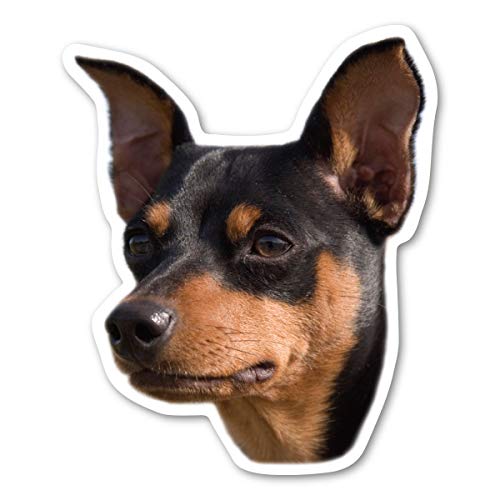
The Miniature Pinscher is a sleek, compact, and well-muscled toy dog. Their coat is smooth, short, and easy to care for. They stand between 10 to 12.5 inches tall and typically weigh between 8 and 10 pounds. Their distinct high-stepping "hackney" gait is often compared to that of a trotting horse.
- Coat: Short, smooth, and glossy. Colors include red, stag red, black and tan, chocolate and tan, and blue and tan. They are average shedders.
- Body: Compact and square-proportioned, with a deep chest and a strong, agile build.
- Gait: Their trademark "hackney" gait, where the front legs lift high, is a key characteristic of the breed.
- Expression: Their face is alert and intelligent, with dark, oval-shaped eyes and high-set, cropped or natural ears.
Exercise & Activity Needs
Do not let their small size fool you — the Min Pin is an athletic dog with significant exercise requirements. They need more than just a quick stroll around the block. Daily walks, combined with energetic play sessions, are essential for their physical and mental well-being.
Daily Exercise Requirements
Aim for at least 30 to 45 minutes of focused physical activity daily. This can be split into multiple sessions. Because of their agility and intelligence, they excel in activities like agility training and rally obedience. A securely fenced yard is a bonus, but it's not a substitute for walks and interactive play, as they will often entertain themselves by barking or digging. They are great candidates for interactive toys and puzzle toys to keep their clever minds busy.
Training & Socialization
Training a Miniature Pinscher is a test of patience and consistency. They are intelligent but have a stubborn streak, which means they will often test the boundaries you set. Positive reinforcement methods are by far the most effective. Using treats, praise, and play as rewards will encourage them to learn, while harsh corrections will only damage your bond and make them more resistant.
Training Tips for Min Pins
- Start Early: Begin training and socialization as soon as you bring your puppy home. This critical period shapes their behavior for life.
- Be Consistent: Everyone in the household must use the same commands and rules. Inconsistency confuses the dog and undoes your progress.
- Use Positive Reinforcement: Reward the behavior you want to see. Use high-value treats for new commands and praise for known ones. Avoid punishment-based methods.
- Keep Sessions Short: Min Pins have short attention spans. Keep training sessions to 5-10 minutes, but practice frequently throughout the day.
- Focus on Recall: A reliable recall is vital for their safety. Always reward your dog generously for coming when called, and never scold them for it, even if it took a while.
Preventing "Small Dog Syndrome": It's easy to excuse bad behavior in a small dog, but this can lead to a spoiled, yappy, and sometimes aggressive pet. Treat your Min Pin like the dog they are. Set clear rules and boundaries from day one, and don't let them get away with things you wouldn't tolerate in a larger breed.
Grooming & Maintenance
One of the great advantages of owning a Miniature Pinscher is their low-maintenance coat. Grooming is quick and easy, making them a good choice for those who don't want to spend hours on coat care.
- Brushing: A weekly once-over with a rubber curry brush or a soft bristle brush is enough to remove loose hair and keep their coat shiny. This also helps distribute natural oils.
- Bathing: They only need a bath every few months, or when they get particularly dirty. Always use a gentle dog-specific shampoo to avoid irritating their skin.
- Nail Trimming: Regular nail trims are essential. Overgrown nails can cause pain and lead to gait problems. Trim their nails every 3-4 weeks. If you can hear them clicking on the floor, they're too long.
- Dental Care: Like all small breeds, Min Pins are prone to dental disease. Brushing their teeth daily with a dog toothbrush and dog-safe toothpaste is the best way to prevent plaque and tartar buildup.
- Ear Cleaning: Check their ears weekly and clean them with a vet-approved ear cleaner as needed to prevent infections.
Health & Common Issues
The Miniature Pinscher is generally a healthy and robust breed with a lifespan of 12 to 16 years. However, like all breeds, they are predisposed to certain genetic health conditions. Choosing a responsible breeder who performs health screenings on their breeding dogs is the best way to minimize these risks.
Potential Health Concerns
- Patellar Luxation: A condition where the kneecap slips out of place, causing lameness. It's common in many small breeds.
- Legg-Calve-Perthes Disease: A hip disorder where the blood supply to the femoral head is interrupted, causing it to degenerate. This can lead to arthritis and lameness.
- Hip Dysplasia: Although less common than in larger breeds, hip dysplasia can occur. It's an abnormal formation of the hip socket.
- Eye Problems: They can be prone to conditions like Progressive Retinal Atrophy (PRA) and cataracts.
- Dental Disease: As mentioned, their small mouths and crowded teeth make them highly susceptible to periodontal disease.
Proactive Health Care: Regular veterinary check-ups are essential for early detection and management of these conditions. Feeding a high-quality diet, maintaining a healthy weight, and providing proper dental care are also key to a long and healthy life. For more information on finding a great breeder, check out our guide on how to find a reputable dog breeder and the questions to ask a dog breeder.
Is a Miniature Pinscher Right for You?
The Miniature Pinscher is not the right dog for everyone. They thrive in homes where they receive plenty of attention, exercise, and consistent training. They are best suited for active individuals or families with older, respectful children who can handle a small but spirited dog.
They may not be the best choice for very busy households, families with toddlers, or those who want a calm, lap dog. A bored or under-exercised Min Pin can be noisy, destructive, and difficult to manage. However, for the right owner, the Min Pin is a loyal, entertaining, and loving companion who will keep you on your toes. If you're ready for a dog with a big personality, this breed might be your perfect match. If you're still exploring, you might also want to look at other small dog breeds that don't shed.
Frequently Asked Questions
Ready to Welcome a Min Pin?
If you've decided that the Miniature Pinscher is the right breed for you, your next step is to find a responsible breeder. A good breeder will prioritize the health and temperament of their puppies and will be a valuable resource for you throughout your dog's life. Be sure to ask about health clearances for the parents and visit the puppies in their home environment. The love and effort you invest in a Min Pin will be returned tenfold by this loyal and spirited companion.