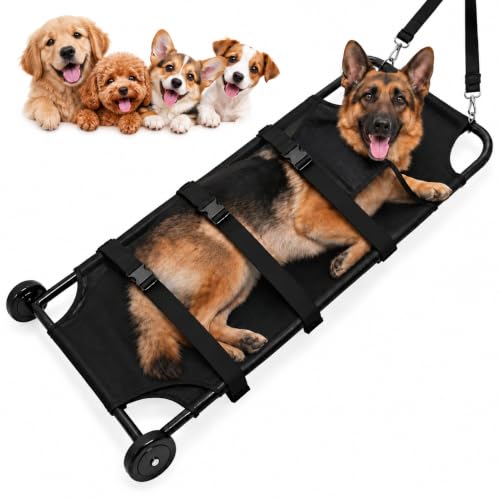
Dog Stretcher Guide: Safe Transport for Injured, Senior & Large Dogs
When your dog cannot walk on their own, a proper stretcher becomes essential equipment. This guide explains the types, features, and buying considerations so you can choose the right stretcher for emergency preparedness, post-surgery recovery, or daily mobility support.
Every dog owner hopes they never face a situation where their dog cannot walk. But accidents, surgeries, spinal injuries, and age-related mobility decline are realities that many dog parents eventually confront. When that moment arrives, having the right dog stretcher on hand can mean the difference between safe transport and further injury.
A dog stretcher is not a niche product reserved for veterinary clinics. It is a practical piece of equipment for any household with a senior dog, a large breed, or a dog recovering from surgery. This guide walks you through everything you need to know to make an informed purchase decision.
When a Dog Stretcher Is Necessary
Understanding when a stretcher is needed helps you decide whether to invest in one proactively or wait until a specific situation arises. Here are the most common scenarios:
- Emergency transport after an accident: If your dog has been hit by a car, fallen from a height, or suffered a traumatic injury, moving them improperly can worsen spinal or internal injuries. A stretcher provides a stable, flat surface for safe transport to the vet.
- Post-operative recovery: After orthopedic surgery, spinal surgery, or abdominal procedures, dogs often need to be moved without bearing weight. A stretcher keeps the body aligned and minimizes movement.
- Paralysis or neurological conditions: Dogs with degenerative myelopathy, disc disease, or other neurological issues may lose the ability to walk. A stretcher allows you to move them for vet visits, hygiene care, and outdoor time.
- Severe arthritis or joint disease: Senior dogs with advanced arthritis may find walking painful. A stretcher helps on bad days without forcing them to walk.
- Large or giant breeds: Even a healthy large dog can become immobile due to illness or injury. A 100-pound dog is difficult and dangerous to carry manually, especially on stairs or uneven ground.
- End-of-life care: When a dog's mobility declines in their final months, a stretcher preserves dignity and reduces discomfort during necessary movements.
Proactive vs. Reactive Purchase: If you have a senior dog, a giant breed, or a dog with a known health condition, buying a stretcher before you need it is wise. Emergencies do not wait for shipping delays. A stretcher stored in your garage or car can be a lifesaver during a crisis.
Types of Dog Stretchers
Dog stretchers come in several designs, each suited to different needs and budgets. Understanding the trade-offs helps you choose the right one for your situation.
Soft Fabric Stretchers
Made from durable nylon or canvas with reinforced handles. Lightweight and portable, these roll up for storage. Best for emergency use and short-distance transport. They provide adequate support for dogs without suspected spinal injuries but lack rigid support.
Entry-level to mid-rangeRigid Board Stretchers
Constructed from solid plastic, aluminum, or composite materials. Offer maximum support for spinal injuries and post-surgical patients. Often feature restraint straps and contoured surfaces. Bulkier to store but the safest option for critical cases.
Mid-range to premiumWheeled Stretchers
Rigid stretchers mounted on casters for easy rolling. Reduce physical strain on the handler, especially for large dogs. Ideal for veterinary clinics and owners who regularly transport a large immobile dog. Best on smooth surfaces.
Premium to luxurySling-Style Stretchers
Fabric slings that support the body underneath. Good for short transfers and for dogs that need assistance walking rather than full transport. Less supportive than rigid stretchers but more comfortable for brief lifts.
Budget-friendly to mid-tierDisposable Emergency Stretchers
Lightweight, single-use stretchers made from reinforced materials. Designed for emergency responders and one-time use. Not durable for repeated use but valuable for car emergency kits.
Entry-levelBackboard-Style Stretchers
Rigid boards with handles and straps, modeled after human backboards. Provide excellent immobilization for suspected spinal or skeletal injuries. Often used by veterinary emergency teams.
Mid-range to high-endKey Features to Evaluate
Not all stretchers are created equal. When comparing options, pay attention to these features:
- Weight capacity: The most critical specification. Choose a stretcher rated for at least 25-50% more than your dog's weight. A stretcher at its maximum limit is more likely to fail under stress or during a panicked lift.
- Handle design: Look for padded, reinforced handles that allow multiple people to lift comfortably. Four-handle designs distribute weight better than two-handle designs. Some stretchers include shoulder straps for hands-free carrying.
- Restraint system: Straps or buckles that secure the dog to the stretcher prevent slipping and falling during transport. This is essential for dogs that are anxious, in pain, or unconscious.
- Surface material: Easy-to-clean, waterproof materials are important for accidents and blood. Non-slip surfaces prevent the dog from sliding during angled carries.
- Foldability and storage: Soft stretchers fold or roll for easy storage in a car trunk or closet. Rigid stretchers take up more space but are often stackable.
- Padding: Some rigid stretchers include padded surfaces for comfort during longer transport. This matters for senior dogs and those with sensitive skin or pressure points.
- Reflective elements: For emergency use at night, reflective strips or handles improve visibility and safety.
Buying Tip: If you are deciding between a soft and rigid stretcher for a senior dog with no spinal issues, a mid-range soft stretcher with a rigid insert offers the best balance of portability and support. For dogs with suspected spinal injuries, always choose a rigid board stretcher.
Sizing and Weight Capacity
Getting the size right is essential for safety and comfort. A stretcher that is too small leaves limbs unsupported; one that is too large is unwieldy to carry.
How to Measure Your Dog
- Length: Measure from the tip of the nose to the base of the tail. Add 4-6 inches for clearance.
- Width: Measure across the widest part of the body, usually the shoulders or hips. Add 2-4 inches.
- Weight: Weigh your dog accurately or use the vet's scale. Add a safety margin of 25-50% when selecting a weight capacity.
Size Categories
- Small dogs (under 25 lbs): Compact stretchers with shorter lengths. Handles are sized for one or two people. Soft fabric options are often sufficient.
- Medium dogs (25-60 lbs): Standard stretcher sizes. Look for four-handle designs for balanced lifting. Rigid insert is beneficial.
- Large dogs (60-100 lbs): Reinforced stretchers with higher weight capacities. Two-person lifting is essential. Consider wheeled options for frequent transport.
- Giant breeds (over 100 lbs): Heavy-duty models with reinforced frames and multiple handles. Wheeled stretchers or backboard-style boards are often the safest choice.
Safe Lifting and Transport
Even the best stretcher is only as safe as the person using it. Follow these guidelines to prevent injury to both you and your dog:
- Muzzle if necessary: Dogs in pain may bite even if they have never bitten before. Use a muzzle or improvise with a soft cloth if there is any risk.
- Slide, don't lift: Whenever possible, slide the stretcher under the dog rather than lifting the dog onto it. This minimizes movement and stress on the dog's body.
- Use two people for medium and large dogs: Even if you can lift alone, a second person stabilizes the stretcher and reduces the risk of dropping the dog.
- Keep the dog level: Avoid tilting the stretcher, especially for dogs with spinal injuries. Keep the stretcher as flat as possible during transport.
- Secure before moving: Buckle straps or use a blanket over the dog to prevent slipping. Never carry an unsecured dog on a smooth surface.
- Plan your route: Clear obstacles before lifting. Open doors, move furniture, and ensure a clear path to the vehicle.
- Drive gently: When transporting in a vehicle, secure the stretcher so it cannot slide. Drive slowly and avoid sudden stops.
Emergency Note: If you suspect a spinal injury, do not attempt to move your dog without professional guidance unless there is immediate danger (such as fire or traffic). Call your veterinarian or an emergency clinic for instructions. Improper movement can cause permanent paralysis.
Emergency Preparedness
A dog stretcher belongs in your emergency preparedness kit alongside a dog first aid kit. Here is how to prepare:
- Store a stretcher in your vehicle: A compact soft stretcher takes up minimal space and ensures you always have one available, even during walks or road trips.
- Practice using it: Before an emergency, practice loading and unloading your dog. Familiarize yourself with the handles and restraint system so you are not figuring it out under stress.
- Keep contact numbers handy: Store your vet's number and the nearest emergency clinic's number in your phone and in your car.
- Train family members: Everyone in the household should know where the stretcher is and how to use it. If you have a large dog, ensure at least two adults can lift safely.
- Check regularly: Inspect handles, straps, and materials for wear. Replace any damaged components immediately.
Stretchers for Senior Dogs
Senior dogs present unique challenges. They are often heavier than they appear, may have multiple health conditions, and can be anxious or resistant to handling. A stretcher can dramatically improve their quality of life during mobility decline.
When choosing a stretcher for a senior dog, prioritize comfort and ease of use. Padded surfaces reduce pressure on arthritic joints. Lightweight materials make solo lifting more manageable. Soft fabric stretchers with rigid inserts offer a good balance. If your senior dog is still partially mobile, a sling-style stretcher may be more appropriate for short assistance, allowing them to bear some weight while you provide support.
For dogs with conditions like tracheal collapse or respiratory issues, avoid stretchers that require pressure on the neck or chest. Choose designs that support the body evenly without constricting the airway. Your veterinarian can recommend specific features based on your dog's condition.
Keep in mind that senior dogs may need a stretcher for daily hygiene routines, vet visits, and outdoor bathroom breaks. A wheeled stretcher can be a worthwhile investment if you handle a large senior dog frequently.
Frequently Asked Questions
Final Thoughts
A dog stretcher is one of those purchases you hope to never use, but when the need arises, it becomes invaluable. Whether you are preparing for emergencies, caring for a senior dog, or managing post-surgery recovery, choosing the right stretcher ensures your dog is transported safely and comfortably. Pair your stretcher with a dog first aid kit and keep your vet's contact information accessible. Preparation today prevents panic tomorrow.