Find Expert Dog Training Close to Me
Discover local dog training classes, positive reinforcement methods, and professional tips to raise a happy, well-behaved dog — right in your neighborhood.
Finding the right dog training close to me is one of the most important decisions you'll make as a dog owner. Professional training not only teaches your dog basic obedience but also strengthens your bond, prevents behavior problems, and gives you the tools to communicate effectively with your canine companion.
Whether you're bringing home a new puppy or need help with an older dog's behavior issues, local training classes provide hands-on support, socialization opportunities, and expert guidance tailored to your dog's unique personality and needs.
Why Local Training Matters
Online resources are great, but nothing replaces in-person training. Local classes allow your dog to learn in a real-world environment with distractions, other dogs, and unfamiliar people — all under the supervision of a professional. This is essential for building reliable behaviors that generalize beyond your living room.
Key Benefits of Local Training:
• Real-time feedback: Trainers can correct your technique immediately
• Socialization: Your dog learns to interact with other dogs and people
• Distraction-proofing: Practice in environments with noise, smells, and other dogs
• Community: Connect with other dog owners for playdates and support
• Accountability: Regular class schedules keep you consistent
Types of Dog Training Available
Not all training is the same. Understanding the different types of programs helps you choose the right fit for your dog's age, temperament, and goals.
Puppy Kindergarten
Designed for puppies 8–16 weeks old. Focuses on socialization, bite inhibition, crate training, and basic cues like sit, stay, and come. Includes playtime with other puppies in a controlled environment.
$150–$250Basic Obedience
For dogs of any age. Covers essential commands: sit, down, stay, come, loose-leash walking, and leave it. Builds foundation behaviors for daily life and prevents common problems like jumping and pulling.
$180–$300Advanced Obedience
Builds on basic skills with off-leash work, distance commands, and increased distractions. Prepares dogs for Canine Good Citizen (CGC) testing or competition. Ideal for owners who want reliable, off-leash control.
$250–$450Private Sessions
One-on-one training tailored to your dog's specific behavior issues: aggression, anxiety, leash reactivity, or fear. Trainers come to your home or meet you at a park. Fastest way to address serious problems.
$80–$150/hourBoard & Train
Your dog stays with the trainer for 1–4 weeks. Intensive training with daily practice and behavior modification. Best for owners with limited time or severe behavior issues. Includes daily progress updates.
$1,200–$3,500/weekSpecialty Classes
Focus on specific activities: agility, nose work, rally obedience, flyball, or therapy dog preparation. Great for active dogs and owners who want to build skills in a fun, engaging sport.
$200–$500How to Find a Good Trainer Near You
Finding a qualified trainer requires research. Here's a step-by-step approach to finding the best dog training close to me:
- Start with referrals: Ask your veterinarian, friends with well-trained dogs, or local pet stores for recommendations.
- Check credentials: Look for certifications like CPDT-KA (Certified Professional Dog Trainer - Knowledge Assessed) or KPA-CTP (Karen Pryor Academy Certified Training Partner). These require continuing education and ethical standards.
- Read reviews: Check Google, Yelp, and Facebook for honest client feedback. Look for consistency: multiple reviews mentioning the same strengths or weaknesses are reliable indicators.
- Visit a class without your dog: Most trainers allow you to observe a session. Watch how they interact with dogs and owners. Do they use positive reinforcement? Do they correct humanely?
- Ask about methods: Ensure they use science-based, positive reinforcement training. Avoid trainers who rely on physical corrections, prong collars, or shock collars — these can damage trust and cause aggression.
- Inquire about class size: Small classes (6–8 dogs) provide more individual attention. Larger classes can be overwhelming for shy or reactive dogs.
- Evaluate their communication: A good trainer explains concepts clearly, answers questions patiently, and gives you take-home exercises to practice between sessions.
💡 Pro Tip: Many trainers offer a free consultation or trial session. Use this opportunity to see how your dog responds and whether you feel comfortable with the trainer's style. Trust your instincts — if something feels off, it probably is.
Training Methods: What Works Best
The scientific consensus is clear: positive reinforcement is the most effective, humane, and fastest way to train dogs. Here's what that means and why it works:
- Positive Reinforcement: Rewarding desired behaviors with treats, praise, or play. This builds enthusiasm and trust. Dogs learn quickly because they want to earn rewards.
- Negative Punishment: Removing a reward when the dog does something wrong (e.g., turning away if they jump). This is mild and effective when used sparingly.
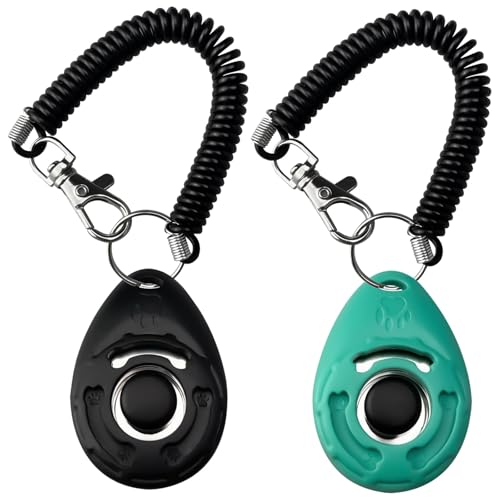
- Clicker Training: Uses a click sound to mark the exact moment of a correct behavior, followed by a treat. Extremely precise and fast for teaching new behaviors.
- Lure and Reward: Using a treat to guide the dog into a position (like sit or down), then rewarding. Perfect for beginners.
- Behavioral Shaping: Rewarding small steps toward a desired behavior (like teaching "spin" by first rewarding a head turn). Builds complex behaviors step by step.
🚫 Avoid These Methods:
Physical corrections (hitting, yanking), shock collars, prong collars, choke chains, and dominance-based techniques (alpha rolls, scruff shakes). These methods cause fear, anxiety, and can lead to aggression — they are banned in many European countries for good reason.
Average Cost of Dog Training
Training costs vary widely based on location, trainer experience, and type of service. Here's a realistic breakdown of what to expect when searching for dog training close to me:
- Group classes (6–8 weeks): $150–$300. Best for basic obedience and socialization.
- Private sessions (1 hour): $80–$150. Great for behavior problems or personalized attention.
- Day training (drop-off): $300–$600/week. Trainer works with your dog during the day; you practice at night.
- Board & train (1–4 weeks): $1,200–$3,500/week. Intensive training with daily practice. Most expensive but fastest results.
- Specialty classes (agility, nose work): $200–$500 per 6-week session. Fun, active classes for advanced skills.
- Behavior consultations: $100–$250 for initial assessment (often followed by private sessions). Required for aggression or severe anxiety.
Tips for Choosing the Right Class
Once you've found a few promising trainers, use these tips to make the final decision:
- Visit the facility: Is it clean? Are safety protocols in place (vaccination requirements, separate areas for reactive dogs)? Trust your senses.
- Ask about class structure: How much time is spent on instruction vs. practice? Good classes include a mix of demos, hands-on practice, and Q&A.
- Inquire about make-up sessions: Life happens — find out if you can reschedule missed classes.
- Check the trainer's experience with your breed: Some trainers specialize in certain breeds or behavior challenges. If you have a reactive or herding breed, find someone with relevant experience.
- Ensure compatibility: You'll be working closely with this person for weeks. You should feel comfortable, respected, and supported — not judged or rushed.
Ready to Find Dog Training Close to Me?
Start your search today by asking for referrals, checking online reviews, and visiting local training facilities. Remember, the right trainer will not only teach your dog but also empower you with the skills to build a lasting, positive relationship with your canine companion. Whether you choose group classes, private sessions, or board-and-train, the investment in training pays off in a lifetime of good behavior and mutual trust.