Dog Vests for Service Dogs: The Complete Guide
Everything you need to know about choosing, fitting, and using service dog vests — from types and materials to training tips and legal considerations.
A service dog vest is more than just a piece of gear — it is a communication tool, a functional accessory, and a critical part of your working dog's daily life. For handlers who rely on a service dog for mobility assistance, medical alert, psychiatric support, or other tasks, the right vest can make the difference between smooth public access and constant interference.
But with dozens of styles, materials, and features available, choosing the right vest can feel overwhelming. This guide breaks down everything you need to know — from measuring your dog correctly to training them to associate the vest with work mode. Whether you are just starting your service dog training journey or looking to upgrade your current setup, this guide will help you make an informed decision.
What Is a Service Dog Vest?
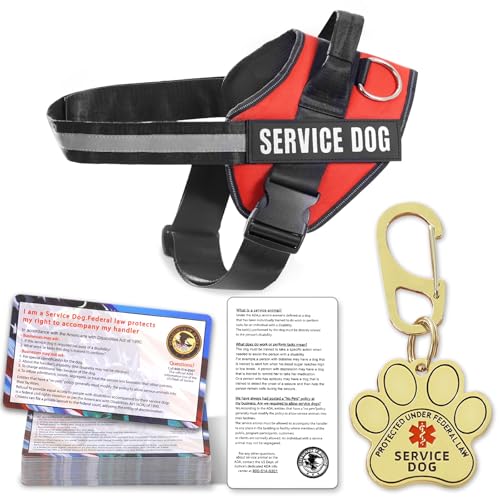
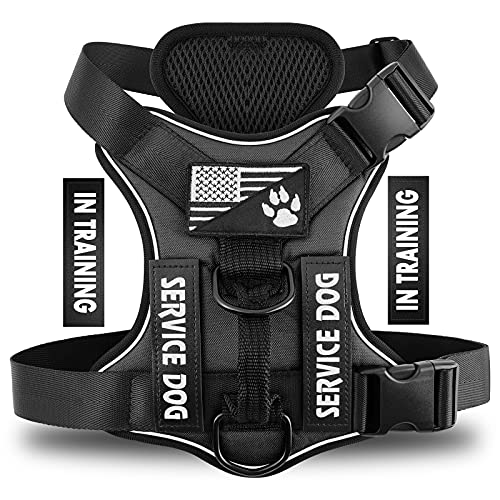
A service dog vest is a piece of equipment worn by a working dog to identify its role, carry essential items, and provide functional attachment points for leashes, harnesses, and other gear. Unlike a simple dog harness used for walking, a service dog vest is designed specifically for working animals and often includes features like identification patches, reinforced handles, and storage pockets.
The vest serves several important purposes:
- Identification: Clear labeling helps the public understand that the dog is working and should not be distracted or approached without permission.
- Professional appearance: A well-fitted vest signals that the dog is a trained service animal, reducing access challenges and unwanted questions.
- Functional attachment points: D-rings and reinforced stitching provide secure leash attachment and can support mobility harness handles.
- Storage: Pockets can carry identification cards, medical information, training treats, waste bags, and small essential items.
- Work mode signal: Putting on the vest becomes a cue that tells the dog it is time to work, helping them transition from pet mode to service mode.
Important Distinction: A service dog vest is not a costume or a fashion accessory. It is a working tool that should be reserved for dogs that have completed appropriate task training and meet the legal definition of a service animal in your jurisdiction.
Types of Service Dog Vests
Service dog vests come in several distinct styles, each designed for different tasks and handler needs. Understanding the differences will help you choose the right one for your situation.
Basic Identification Vest
Entry-LevelLightweight and simple design focused on clear identification. Typically features a large patch area on each side and minimal additional features. Best for handlers who primarily need to signal that their dog is working and do not require extensive gear attachment points.
Best for: Psychiatric service dogs, medical alert dogs, and situations where minimal gear is preferred.
Harness-Style Vest
Mid-RangeCombines the identification function of a vest with the structural support of a harness. Features reinforced handles for mobility assistance, sturdy D-rings for leash attachment, and often padding for comfort during long wear. The handle allows the handler to steady themselves or be assisted during balance challenges.
Best for: Mobility assistance dogs, balance dogs, and handlers who need physical support from their dog.
Cape-Style Vest
Mid-Range to PremiumFeatures a longer cape that covers more of the dog's back, providing additional space for patches, pockets, and gear. The cape design offers a professional appearance and is popular among handlers who want to carry more items or display multiple identification patches. Some capes are removable for easy cleaning.
Best for: Handlers who need extra storage, multi-purpose service dogs, and those who prefer a more formal appearance.
Tactical Vest
PremiumHeavy-duty construction with multiple MOLLE attachment points, reinforced stitching, and rugged materials. Designed for demanding work environments and dogs that carry substantial gear. Often includes padded handles, extensive pocket systems, and customizable patch configurations.
Best for: Search and rescue dogs, law enforcement K9s, and service dogs working in rugged or unpredictable environments.
How to Measure and Fit a Service Dog Vest
A poorly fitting vest is not just uncomfortable — it can cause chafing, restrict movement, and interfere with your dog's ability to work effectively. Proper measurement is the foundation of a good fit.
Three Essential Measurements
- Chest girth: Measure the widest part of your dog's ribcage, just behind the front legs. This is the most critical measurement — the vest must fit snugly here without restricting breathing. Use a soft measuring tape and keep it level.
- Neck circumference: Measure around the base of the neck where a collar would naturally sit. This determines the front opening of the vest and ensures it does not choke or slip off.
- Back length: Measure from the base of the neck (where the collar sits) to the base of the tail. This determines how far the vest extends along the dog's back, especially important for cape-style and tactical vests.
Fit Checklist
Once you receive your vest, check the following before use:
- Two-finger rule: You should be able to slide two fingers between the vest and your dog's body at the tightest point. If you cannot, it is too tight. If you can fit more than two, it is too loose.
- Shoulder freedom: Your dog should be able to move their front legs through a full range of motion without the vest pulling or binding.
- No rubbing: Check for any areas where straps or edges might rub against the skin, especially in the armpit area and behind the front legs.
- Bathroom access: The vest should not interfere with urination or defecation. For male dogs, ensure the belly strap does not cover the urinary opening.
- Secure attachment: Leash D-rings and handles should be firmly attached with reinforced stitching. Test them gently before relying on them in public.
Pro Tip: Measure your dog at least twice — once while standing and once while lying down. Some dogs change shape slightly when in different positions. If your dog is between sizes, size up and use the adjustable straps to fine-tune the fit. A vest that is slightly too large can be adjusted; one that is too small cannot.
Key Features to Look For
Not all service dog vests are created equal. When evaluating options, prioritize these features based on your specific needs.
Essential Features
- Adjustable straps: Multiple adjustment points at the chest, neck, and belly allow for a custom fit that accommodates weight fluctuations and different coat thicknesses.
- Reinforced D-rings: Metal or heavy-duty plastic D-rings that are securely stitched into the vest structure, not just attached to the surface fabric.
- Clear patch panels: Designated areas on both sides for "SERVICE DOG" patches and other identification. Velcro panels are common and allow for interchangeable patches.
- Padded chest plate: A padded front section prevents chafing and distributes pressure evenly across the chest.
- Breathable material: Mesh lining or moisture-wicking fabrics keep your dog cool during long working sessions.
Nice-to-Have Features
- Handle: A reinforced handle on top allows you to assist your dog over obstacles or provides a steadying point for handlers with balance issues.
- Pockets: Storage for identification cards, medical information, waste bags, and small training treats.
- Reflective trim: Improves visibility in low-light conditions, important for evening walks and emergency situations.
- MOLLE webbing: Allows attachment of additional pouches and gear for tactical or specialized work.
- Removable cape: A detachable cape makes cleaning easier and allows you to switch between full and minimal configurations.
Materials and Durability
The material of your service dog vest affects comfort, durability, and appearance. Here is how common materials compare:
| Material | Durability | Comfort | Best Use Case |
|---|---|---|---|
| Nylon | High | Moderate | Everyday use, affordable options, easy to clean |
| Polyester | Moderate to High | Moderate | Budget-friendly vests, lightweight designs |
| Canvas | Very High | Moderate | Tactical vests, rugged environments, heavy gear |
| Mesh | Moderate | High | Hot climates, dogs with thick coats, summer work |
| Neoprene | High | High | Water work, padding, cold weather insulation |
| Leather | Very High | Moderate (breaks in) | Premium vests, traditional appearance, long-term investment |
For most service dog handlers, a nylon or canvas vest with mesh lining offers the best balance of durability, comfort, and value. Leather vests are a premium option that can last for years but require more maintenance and have a higher upfront cost.
Vest Training for Your Dog
For a service dog, the vest is not just clothing — it is a signal that work is about to begin. Training your dog to associate the vest with working mode is an essential part of service dog training.
Introducing the Vest
- Start young and go slow: Begin by letting your dog sniff and investigate the vest while it is on the floor. Reward any interaction with treats and praise.
- Drape and reward: Gently drape the vest over your dog's back without fastening it. Reward calm behavior. Repeat until your dog is comfortable with the vest resting on them.
- Fasten for short periods: Buckle the vest and immediately reward. Leave it on for just a few seconds at first, then remove it. Gradually increase the duration.
- Pair with work cues: Put the vest on before training sessions, walks, or tasks. Take it off during rest periods. This creates a clear association between the vest and working mode.
- Practice in different environments: Once your dog is comfortable wearing the vest at home, practice putting it on and taking it off in different locations — the car, the park, a friend's house.
Important: Never force a vest onto a fearful or resistant dog. If your dog shows signs of stress — tucked tail, flattened ears, attempts to remove the vest — go back to a previous step and progress more slowly. A service dog must be comfortable in their gear to work effectively.
Using the Vest as a Work Signal
Experienced handlers use the vest as a clear cue that distinguishes work time from rest time. The process looks like this:
- Vest on = work mode: Your dog should be focused, attentive, and ready to perform tasks.
- Vest off = rest mode: Your dog is off-duty and can relax, play, and behave like a pet.
- Consistency is key: Always put the vest on before asking for work behaviors and take it off when work is done. This routine helps your dog understand expectations.
Legal Considerations for Service Dog Vests
Understanding the legal landscape around service dog vests is important for both handlers and business owners.
ADA Requirements
Under the Americans with Disabilities Act (ADA), service dogs are not required to wear a vest or any specific identifying gear. Businesses cannot demand that a service dog wear a vest as a condition of entry, nor can they require documentation or certification.
However, many handlers choose to use vests voluntarily because they:
- Reduce questions and interference from the public
- Prevent access challenges from uninformed business owners
- Clearly signal that the dog is working and should not be distracted
- Provide functional benefits like leash attachment and storage
State and Local Laws
While federal ADA law does not require vests, some state and local laws may have different requirements. Additionally, misrepresenting a pet as a service dog is illegal in many jurisdictions and can result in fines or other penalties. Always verify that your dog meets the legal definition of a service animal before presenting them as one in public.
Note: This guide is for informational purposes only and does not constitute legal advice. Laws vary by jurisdiction and can change. Consult with a legal professional or your local disability rights organization for guidance specific to your situation.
Vest Care and Maintenance
Proper care extends the life of your service dog vest and keeps it looking professional.
- Regular cleaning: Most nylon and canvas vests can be hand-washed or machine-washed on a gentle cycle. Remove patches and detachable capes before washing.
- Air dry: Avoid putting vests in the dryer, which can damage straps, buckles, and stitching. Hang or lay flat to dry.
- Inspect for wear: Check D-rings, buckles, and stitching regularly for signs of wear. Replace any damaged components immediately — your dog's safety depends on secure gear.
- Patch maintenance: Ensure patches are securely attached before each use. Replace faded or damaged patches to maintain clear identification.
- Storage: Store the vest in a dry, clean place when not in use. Avoid leaving it in direct sunlight or extreme temperatures for extended periods.
Common Mistakes to Avoid
These mistakes can undermine your dog's effectiveness, cause discomfort, or create legal issues.
- Buying a vest before measuring: Always measure your dog first. A vest that looks right online may be completely wrong for your dog's unique proportions.
- Choosing style over function: The best-looking vest is useless if it rubs, restricts movement, or falls apart under stress. Prioritize fit and durability.
- Using a vest without proper training: A vest alone does not make a service dog. Your dog must be trained in specific tasks and public access behaviors before wearing a service dog vest in public.
- Ignoring comfort: If your dog is uncomfortable, they cannot work effectively. Check for chafing, overheating, and restricted movement regularly.
- Using the vest as punishment: Never put the vest on a dog as a punishment or associate it with negative experiences. The vest should always predict positive, rewarding work.
- Forgetting to check local laws: While the ADA does not require vests, your state or local laws may have additional requirements. Stay informed.
- Neglecting maintenance: Worn straps, frayed stitching, and damaged buckles can fail at the worst possible moment. Inspect your gear regularly.
Frequently Asked Questions
Ready to Choose the Right Vest?
Now that you understand the types, features, and fit considerations, you are ready to select the best service dog vest for your working partner. Remember: the vest is a tool, not a substitute for training. Pair your vest with consistent service dog training, and you will have a confident, effective working team.