Best Dry Dog Food for German Shepherds with Sensitive Stomachs
Find the perfect dry kibble to soothe your German Shepherd's digestive issues. Our expert guide covers ingredients, top brands, and nutrition tips for a happy, healthy GSD.
German Shepherds are one of the most beloved breeds, known for their loyalty, intelligence, and versatility. However, they are also notoriously prone to digestive sensitivities. Many GSD owners struggle with finding the right best dog food for allergies and sensitive stomachs that will keep their dog's gut calm without sacrificing nutrition. If your German Shepherd frequently experiences loose stools, gas, or vomiting after meals, the food you're feeding might be the culprit.
This comprehensive guide focuses specifically on dry dog food for German Shepherd with sensitive stomach. We'll explore why this breed is susceptible, which ingredients to seek out and avoid, how to transition to a new diet, and our top product recommendations. By the end, you'll have the knowledge to make an informed choice and help your GSD thrive.
Why German Shepherds Are Prone to Digestive Issues
German Shepherds are genetically predisposed to several digestive disorders. Common issues include Exocrine Pancreatic Insufficiency (EPI), where the pancreas fails to produce enough digestive enzymes; food allergies or intolerances, often to proteins like chicken or grains; and Inflammatory Bowel Disease (IBD). Additionally, their deep chest makes them susceptible to bloat in dogs preventive gastropexy, a life-threatening condition that can be triggered by large meals or exercise after eating.
Besides genetics, diet plays a crucial role. Many commercial dog foods contain fillers, artificial additives, and low-quality proteins that can irritate a GSD's gut. Feeding your dog a diet tailored to their specific needs is essential for managing these conditions and preventing chronic digestive distress.
What to Look For in Dry Dog Food
High-Quality Protein
Choose a single, novel protein source like salmon, lamb, or duck. These are less likely to trigger allergies compared to common proteins like chicken or beef. Look for it as the first ingredient.
Easily Digestible Carbs
Opt for sweet potatoes, oatmeal, or brown rice. These provide energy without causing spikes in blood sugar and are gentle on the stomach. Avoid corn, wheat, and soy.
Prebiotics & Probiotics
Ingredients like dried chicory root, beet pulp, or fermented products help promote a healthy gut microbiome, aiding digestion and nutrient absorption.
Omega Fatty Acids
Fish oil and flaxseed are rich in Omega-3 and Omega-6 fatty acids that support skin health and reduce inflammation, which can also benefit the digestive tract.
Ingredients to Avoid: Artificial colors, flavors, preservatives (BHA, BHT, ethoxyquin), by-product meals, generic "animal fat," and excessive fillers. These can all exacerbate a sensitive stomach.
Top Picks for Dry Dog Food for GSD with Sensitive Stomach
Based on our research and expert recommendations, here are some of the best dry dog food options for German Shepherds with sensitive stomachs. Each product is formulated with high-quality, digestible ingredients to support your dog's digestive health and overall well-being.
- Hill's Science Diet Adult Sensitive Stomach & Skin – Formulated with prebiotic fiber to support a balanced microbiome and vitamin E & Omega-6 for skin health. This is a top choice for many GSD owners. (Approx. $60–$85 per 30-lb bag)
- Purina Pro Plan Adult Sensitive Skin & Stomach – Features salmon as the first ingredient and oatmeal for easy digestion. It's highly digestible and rich in probiotics. (Approx. $70–$95 per 30-lb bag)
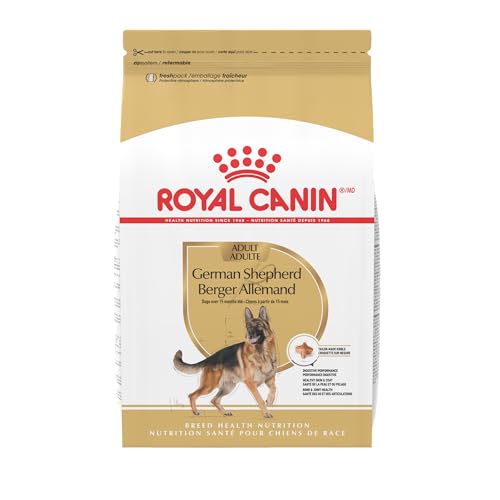
- Royal Canin German Shepherd Adult – Specifically designed for German Shepherds, with a tailored nutrient profile to support their digestive health and joint needs. (Approx. $90–$120 per 30-lb bag)
- Blue Buffalo Basics Limited Ingredient Diet – A great option for dogs with food sensitivities. Uses a single protein (like turkey or salmon) and easily digestible carbs. (Approx. $65–$90 per 24-lb bag)
These foods are excellent starting points. For a deeper dive into product comparisons, you can explore our dry dog food section. If your GSD has severe allergies, you might consider a fresh dog food or a homemade dog food plan under veterinary supervision.
Transitioning to a New Sensitive Stomach Diet
Switching your German Shepherd's food abruptly can lead to severe digestive upset, even with a high-quality formula. A gradual transition is key to allowing their gut flora to adjust.
Follow this 7-day transition plan:
- Days 1-2: 25% new food, 75% old food
- Days 3-4: 50% new food, 50% old food
- Days 5-6: 75% new food, 25% old food
- Day 7: 100% new food
During this period, monitor your dog for any adverse reactions. If you notice severe diarrhea or vomiting, slow down the transition and consult your veterinarian. Some dogs with very sensitive stomachs may need a slower transition of 10-14 days. For additional support, consider adding a digestive enzyme for dogs or a dog probiotic to their meals.
Addressing Common Digestive Problems in GSDs
Diarrhea
Often caused by diet change, food allergies, or stress. A bland diet of boiled chicken and rice, followed by a gradual return to sensitive-stomach kibble, can help.
Excessive Gas
Usually a sign of poor digestion or food intolerance. Switching to a food with highly digestible proteins and carbohydrates like those listed above can reduce gas.
Vomiting Bile
Often happens on an empty stomach. Try splitting meals into three smaller portions instead of two larger ones to keep the stomach from becoming empty.
The Bigger Picture: GSD Health and Longevity
Proper nutrition is just one aspect of caring for a German Shepherd. Their health and lifespan are influenced by genetics, environment, and overall care. The dog life expectancy for a German Shepherd is typically 9-13 years. Good nutrition can help them reach the upper end of this range while maintaining a good quality of life. Regular veterinary check-ups, appropriate exercise, and early detection of health issues are equally important. For senior GSDs, adjusting their diet to a senior dog care plan can help manage age-related issues like arthritis or kidney disease.
Did you know? To calculate your dog's age in human years, use our dog age calculator for a more accurate estimate than the 7-year rule. Maintaining a healthy weight is crucial for GSDs, as excess weight strains their hips and joints.
Frequently Asked Questions
Ready to find the perfect food for your German Shepherd?
Explore our curated list of recommended products below, all available on Amazon. These are some of the best options we've found for supporting a GSD's sensitive stomach. If you're still unsure, consult your veterinarian for a tailored recommendation.