Ear Mite Treatment for Puppies Under 12 Weeks
Discover safe, vet-approved options for treating ear mites in very young puppies, plus essential warning signs and prevention strategies to protect your puppy's delicate ears.
Finding out your young puppy has ear mites can be distressing. These tiny parasites cause intense itching and discomfort, and seeing your puppy scratch relentlessly is heartbreaking. But when your puppy is under 12 weeks old, the treatment landscape changes significantly. Many over-the-counter ear mite products carry strict age restrictions precisely because a puppy's delicate system isn't ready for harsh chemicals.
The good news is that safe, effective treatment is absolutely possible for very young puppies — but it requires veterinary guidance and a careful approach. This guide walks you through exactly what you need to know to help your puppy recover comfortably and safely.
Identifying Ear Mites in Young Puppies
Ear mites (Otodectes cynotis) are highly contagious parasites that live on the skin surface of the ear canal [citation:3]. They are especially common in puppies because their immune systems are still developing and they have frequent close contact with littermates or their mother.
Watch for these telltale signs in your puppy:
- Frequent head shaking or scratching at the ears: This is often the first sign owners notice. The itching is intense and persistent.
- Dark, waxy, or crusty discharge: Ear mites produce a characteristic dark brown or black debris that resembles coffee grounds [citation:4].
- Redness and irritation: The ear flap and surrounding skin may look inflamed and sore.
- Hair loss around the ears: Caused by your puppy scratching excessively [citation:3].
- A crusted rash or lesions: Sometimes the mites spread to the skin around the ears or face.
- An aural hematoma: In severe cases, violent head shaking can cause a blood blister on the ear flap [citation:3].
Important: These symptoms can also be caused by bacterial or yeast infections, allergies, or foreign objects in the ear. In puppies, ear mites are a common culprit, but you cannot confirm the diagnosis without a veterinarian examining a sample under a microscope [citation:3][citation:4]. Never assume it's mites and start treatment blindly — the wrong treatment can delay proper care and worsen your puppy's discomfort.
Why Age Restrictions Matter for Ear Mite Products
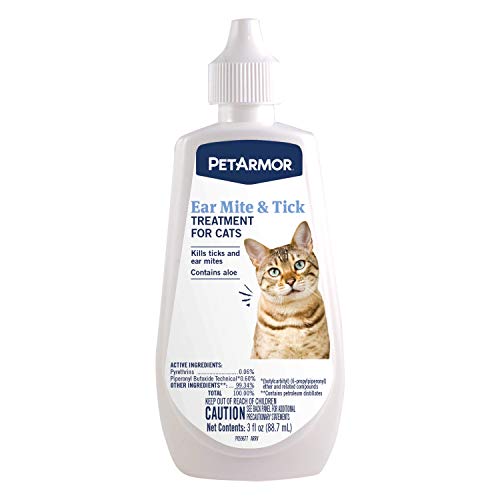
Many popular over-the-counter ear mite treatments explicitly state on their labels: "Do not use on pets less than 12 weeks old" [citation:1][citation:6]. This isn't arbitrary. There are important reasons for these restrictions:
- Organ development: A puppy's liver and kidneys are still maturing. They process medications differently than adult dogs, and some ingredients can accumulate to toxic levels.
- Small body weight: Many products are dosed by weight. A tiny puppy can easily receive an overdose if the product isn't formulated specifically for very young or very small animals.
- Sensitive skin and tissues: The lining of a puppy's ear canal is thinner and more sensitive than an adult's. Harsh chemicals can cause pain, inflammation, or even damage.
- Neurological sensitivity: Some active ingredients (like certain pyrethrins) can cause neurological symptoms in young or small animals if absorbed too quickly.
This is why you cannot simply use an adult ear mite product at a reduced dose. You need a treatment that is specifically safe for puppies under 12 weeks of age.
Safe Treatment Options for Puppies Under 12 Weeks
Fortunately, there are safe options available. Your veterinarian will recommend the most appropriate one based on your puppy's exact age, weight, and overall health. Here are the main categories:
| Treatment Type | Minimum Age | How It Works | Key Considerations |
|---|---|---|---|
| Selamectin spot-on | 6 weeks (some formulations) | Applied to the skin between the shoulder blades; absorbed systemically to kill mites from within [citation:7][citation:11]. | Prescription required. Highly effective. Some formulations are approved for puppies as young as 6 weeks [citation:10]. |
| Vet-prescribed topical ear drops | Varies by product | Medicated drops placed directly into the ear canal after cleaning. | Your vet will choose one safe for your puppy's age and weight. Never use unapproved products on a puppy under 12 weeks. |
| Injectable treatment | Vet discretion | Administered by a veterinarian; kills mites systemically. | Reserved for specific cases. Your vet will determine if this is appropriate for your puppy. |
| Gentle ear cleaning (supportive) | Any age (with care) | Removes debris and reduces mite numbers; does not eliminate the infestation alone [citation:3]. | Essential part of treatment but not a standalone cure. Use only vet-approved cleansers. |
Vet-Approved Spotlight: Selamectin-based spot-on treatments have been studied extensively. Some formulations are labeled for use in puppies as young as 6 weeks of age and are considered safe when used as directed [citation:7][citation:10]. Your veterinarian can prescribe the correct dose based on your puppy's exact weight. Never use a product on a puppy younger than the label's minimum age without explicit veterinary approval.
If your puppy is younger than 6 weeks, treatment options are even more limited. In these cases, your veterinarian may recommend gentle cleaning only until the puppy is old enough for safe medication, or they may use a product off-label under close supervision. This is not a situation for home remedies or guesswork.
The Importance of Veterinary Diagnosis
You might be tempted to skip the vet visit and try an over-the-counter solution. For a puppy under 12 weeks, this is a risky decision. Here's why a veterinary diagnosis is essential:
- Confirmation of the cause: Your vet will examine your puppy's ears with an otoscope and take a sample of the discharge to look for mites under a microscope [citation:4]. This rules out other conditions that cause similar symptoms.
- Age-appropriate prescription: Only a veterinarian can prescribe a treatment that is safe for your puppy's specific age and weight. Many effective products are prescription-only precisely because they require professional oversight.
- Checking for secondary infections: Ear mites often cause secondary bacterial or yeast infections. Your vet will check for these and prescribe additional treatment if needed [citation:4].
- Proper ear cleaning guidance: Your vet can show you how to safely clean your puppy's ears without causing damage — a skill that's especially important with a wriggly young puppy.
- Follow-up care: Ear mites can be stubborn. A follow-up examination ensures the infestation is fully resolved and prevents recurrence [citation:3].
If you're concerned about the cost of a vet visit, remember that treating a complication from improper treatment will cost far more. Many clinics offer puppy wellness plans that can help. Our guide on dog health products can help you understand what to have on hand for routine care, but ear mites require professional diagnosis.
Gentle Ear Cleaning for Puppies
Cleaning your puppy's ears is an important part of treatment, but it must be done gently and correctly. A puppy's ear canal is delicate, and rough handling can cause pain or damage.
Follow these steps, and ask your vet to demonstrate the technique first:
- Use only a vet-approved ear cleanser. Never use alcohol, hydrogen peroxide, or homemade solutions — these can irritate the sensitive ear lining.
- Warm the cleanser to body temperature by holding the bottle in your hands for a minute. Cold liquid in the ear is uncomfortable.
- Hold your puppy gently but securely. Have a helper if possible. Speak calmly and offer treats to keep the experience positive.
- Apply a small amount of cleanser to a cotton ball or gauze pad. Do not squirt liquid directly into the ear canal — this can be startling and potentially harmful.
- Gently wipe the visible parts of the ear. Never insert cotton swabs or anything else deep into the ear canal. You can only clean what you can see.
- Massage the base of the ear gently if your vet recommends it. This helps loosen debris, but be very gentle with a puppy.
- Let your puppy shake their head to expel loosened debris, then wipe away any excess with a clean cotton ball.
- Reward your puppy with praise and a treat afterward. Make ear cleaning a positive experience from the start.
When to Stop Cleaning: If your puppy yelps, struggles violently, or if you see blood or significant redness, stop immediately and contact your vet. Pain during cleaning could indicate a ruptured eardrum or severe infection that needs professional attention.
Treating the Household & Environment
Ear mites are highly contagious. If one pet has them, every dog and cat in the household is at risk — even if they aren't showing symptoms yet [citation:4]. Here's what you need to do:
- Treat all pets in the home: Your veterinarian will recommend an appropriate treatment for every dog and cat, even those without symptoms. This prevents a cycle of reinfestation.
- Wash bedding and toys: Ear mites can survive for a limited time in the environment [citation:3]. Wash all pet bedding, blankets, and soft toys in hot water.
- Clean hard surfaces: Wipe down crates, carriers, and food/water bowls with a pet-safe cleaner.
- Vacuum thoroughly: Vacuum carpets, rugs, and furniture where your puppy spends time. Dispose of the vacuum bag or empty the canister outside immediately.
- Isolate until treated: Keep your puppy away from other pets (except for treatment) until your vet confirms the mites are gone. Avoid dog parks, puppy classes, and other gatherings during this time.
Ear mites can cause a temporary, itchy rash on sensitive people, though this is rare [citation:3]. If you notice a rash on yourself or family members, mention it to your doctor and let your vet know.
Preventing Future Infestations
Once your puppy has recovered, you'll want to keep those mites from coming back. Here are the most effective prevention strategies:
- Monthly parasite prevention: Ask your vet about a monthly product that protects against ear mites as well as fleas, ticks, and heartworm. Some products are safe for puppies from 6-8 weeks of age [citation:5][citation:14].
- Regular ear checks: Make it a habit to look inside your puppy's ears weekly. Early detection means easier, faster treatment.
- Keep ears dry: After baths or swimming, gently dry your puppy's ears with a soft towel. Moisture creates a favorable environment for mites and yeast.
- Limit contact with unfamiliar animals: Until your puppy is fully vaccinated and on reliable parasite prevention, avoid areas with unknown animals. This protects against mites and many other health risks.
- Maintain a clean environment: Regular bedding washing and vacuuming reduce the chance of environmental reinfestation.
- Schedule routine vet visits: Your puppy's vaccination appointments are also an opportunity for your vet to check ear health and catch any issues early.
Establishing a solid preventive care routine now sets your puppy up for a lifetime of good health. If you're looking for general supplies to support your puppy's wellbeing, our dog health products guide covers the essentials.
Frequently Asked Questions
Bottom Line for Puppy Parents:
Ear mites in a puppy under 12 weeks are treatable, but the path to recovery requires veterinary guidance. Do not use over-the-counter adult ear mite products on a young puppy — the age restrictions exist to protect them. Schedule a vet visit for a proper diagnosis, follow the prescribed treatment exactly, treat all pets in the household, and establish a monthly prevention routine going forward. Your puppy's ears are delicate, but with the right care, they'll be back to healthy and comfortable in no time.