Fish Oil for Dogs: Benefits, Dosage & Buying Guide
Fish oil is one of the most researched supplements in canine nutrition. This guide explains what omega-3 fatty acids do for dogs, how to choose a quality product, and how to use it safely.
Explore Top PicksWhat Is Fish Oil? Fish oil is a concentrated source of omega-3 fatty acids, mainly EPA (eicosapentaenoic acid) and DHA (docosahexaenoic acid). These fatty acids are essential for dogs because their bodies cannot produce them efficiently. For dogs, fish oil is commonly used to support skin and coat condition, joint comfort, heart health, and cognitive function in older dogs.
A fish oil for dogs supplement is not a cure-all, but it is one of the most practical additions to a balanced care routine. Owners often start looking into fish oil after noticing dry skin, a dull coat, or stiffness in an aging dog. Others use it as a general wellness supplement. This guide covers the science, the realistic expectations, and the practical steps so you can make an informed choice for your dog.
If your dog already takes other supplements, it helps to review the overall plan. Our guide on vitamin supplements for dogs on homemade food explains how to avoid overlaps and gaps, and the same principles apply when adding fish oil.
Key Benefits of Fish Oil for Dogs
The omega-3 fatty acids in fish oil influence many systems in the body. The benefits below are the ones most consistently supported by veterinary research and clinical experience.
Skin and Coat Health
EPA and DHA help support the skin barrier and reduce dryness and flaking. Many owners notice a shinier coat and less scratching within a few weeks of consistent use.
Joint Comfort
Omega-3 fatty acids have anti-inflammatory properties that can help ease everyday stiffness, especially in aging or large-breed dogs. They are often used alongside joint support routines.
Heart Support
Some evidence suggests omega-3 fatty acids support cardiovascular health, including normal heart rhythm and circulation, when used as part of a comprehensive care plan.
Kidney Health
In dogs with certain kidney conditions, omega-3 fatty acids may help reduce inflammation. This should always be part of a veterinary-managed plan, not a standalone approach.
Cognitive Function
DHA supports brain health, and some senior dogs show subtle improvements in alertness and learning when omega-3 intake is adequate. Benefits are gradual, not dramatic.
Immune Balance
Omega-3 fatty acids contribute to a balanced inflammatory response, which indirectly supports the immune system. This is a supportive role rather than a treatment.
Realistic Expectations: Fish oil is a supportive supplement, not a medicine. It will not replace veterinary treatment for skin infections, arthritis, or organ disease. Use it as part of a broader plan that includes proper nutrition, exercise, and regular checkups.
Types of Fish Oil Supplements for Dogs
Fish oil for dogs comes in several forms. Each has trade-offs in convenience, concentration, and palatability.
| Form | Best For | Convenience | Value Tier |
|---|---|---|---|
| Liquid Oil | Large dogs, easy dosing adjustments | Moderate (measure and mix) | Essential tier |
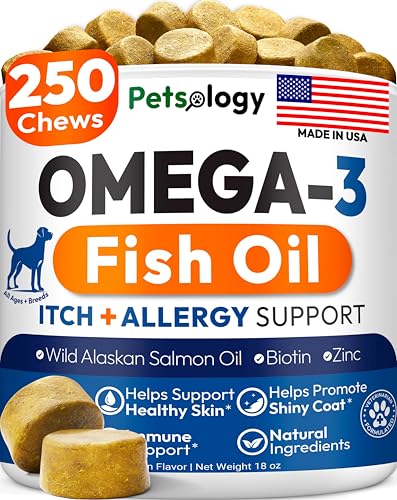
| Soft Chews | Picky eaters, dogs that resist liquids | High (treat-like) | Mid-tier |
| Capsules | Small dogs, precise dosing | Moderate (hide in food) | Mid-tier |
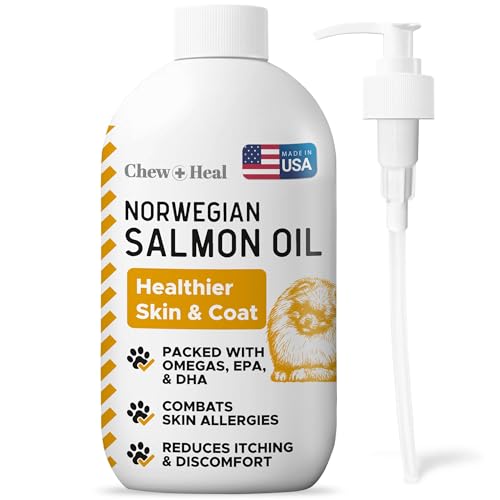
| Pump with Dosing | Multi-dog homes, daily routines | High (measured pump) | Premium tier |
| Powder | Dogs that dislike fishy taste | High (scoop and mix) | Essential tier |
| Combined Omega Blend | Dogs needing broader fatty acid support | Moderate | Premium tier |
Value tiers describe relative market positioning only. For live product details, see the listings in the section below.
How to Choose a Quality Fish Oil Supplement
Not all fish oil products are equal. The label should give you enough information to compare products objectively. Use these criteria:
- Look at EPA and DHA amounts, not total oil weight. A bottle that says "1000 mg fish oil" may contain only a fraction of that as EPA and DHA. The combined EPA and DHA content is what matters.
- Check for purity testing. Quality brands test for heavy metals, PCBs, and oxidation. Look for statements about third-party testing or purity certification on the label.
- Prefer products formulated for dogs. Human fish oil can be used in some cases, but dog-specific products are dosed and flavored appropriately and often include preservatives suited for pets.
- Consider the source of fish. Small, cold-water fish such as sardines, anchovies, and mackerel are common because they accumulate fewer contaminants and are rich in omega-3s.
- Check the expiration date and packaging. Omega-3 fatty acids oxidize over time. Dark bottles, sealed packaging, and a clear expiration date help preserve freshness.
- Match the form to your dog. A large dog may do well with a liquid pump, while a small dog or a picky eater may prefer soft chews or capsules hidden in food.
Reading the Label: A transparent label lists the total fish oil, the EPA amount, the DHA amount, and any added vitamin E used as a preservative. If the label only shows total oil without EPA and DHA, you cannot compare it fairly to other products.
Dosage Guidelines and Safe Use
Dosage is the part where owners most often need guidance. The correct amount depends on your dog's weight, health status, and the concentration of the product.
General Starting Points
Many veterinarians use a general guideline of roughly 20 to 50 milligrams of combined EPA and DHA per pound of body weight per day. This is a range, not a fixed rule. A healthy adult dog on a maintenance dose typically sits at the lower end, while a dog with joint or skin concerns may be advised a higher amount under supervision.
Why You Should Confirm With Your Vet
Weight-based formulas do not account for individual factors such as existing medical conditions, medications, or the exact concentration of a specific product. Your veterinarian can calculate a precise amount and monitor for side effects. This is especially important for dogs with bleeding disorders, dogs scheduled for surgery, and dogs on other supplements or medications.
Practical Dosing Tips
- Start low and increase gradually: Begin at the lower end of the range for one to two weeks, then adjust based on tolerance and veterinary guidance.
- Give with food: Mixing fish oil into a meal improves absorption and reduces the chance of loose stools.
- Use a consistent measuring tool: A kitchen syringe or the product's dosing pump keeps portions accurate and repeatable.
- Store properly: Keep the product sealed, cool, and away from direct light. Refrigerate liquids after opening if the label recommends it.
- Track changes: Note coat condition, scratching, stiffness, and stool quality so you and your vet can judge whether the dose is working.
Possible Side Effects and Precautions
Fish oil is generally well tolerated, but it is not risk-free. Watch for these signs and contact your veterinarian if they appear:
- Digestive upset: Loose stools, nausea, or vomiting can occur, especially when starting at a high dose. Reducing the amount and giving with food often resolves it.
- Fishy breath or odor: Some dogs develop a fishy smell on the breath or coat. This is usually harmless but may prompt a change in product form.
- Blood clotting effects: High doses of omega-3 fatty acids can affect clotting. Dogs on blood thinners or scheduled for surgery should only take fish oil under veterinary supervision.
- Weight gain: Fish oil is calorie-dense. Adjust the rest of the diet if needed to prevent unwanted weight gain.
- Interactions: Fish oil may interact with certain medications. Always disclose all supplements to your veterinarian during checkups.
When to Stop and Call the Vet: Persistent vomiting, diarrhea lasting more than a day, refusal to eat, or any sign of bleeding should prompt a call to your veterinarian. Do not increase the dose to make up for missed days without guidance.
Which Dogs Benefit Most From Fish Oil?
While many dogs can benefit from omega-3 fatty acids, certain groups are more likely to see noticeable improvements:
- Dogs with dry or flaky skin: Omega-3s support the skin barrier and can reduce flaking and itching as part of a broader skin care plan.
- Senior dogs: Older dogs often deal with joint stiffness and cognitive changes. Fish oil supports both areas as part of a senior care routine.
- Large and giant breeds: These dogs put more stress on their joints and often benefit from long-term omega-3 support.
- Active and working dogs: Dogs with high activity levels benefit from the anti-inflammatory support omega-3s provide.
- Dogs on restricted diets: If your dog is on a homemade or limited diet, fish oil helps fill the omega-3 gap. Our guide on supplements for homemade diets explains how to think about overall nutritional balance.
- Dogs with kidney concerns: Omega-3s may support kidney health in certain conditions, but this must be coordinated with your veterinarian. Our article on supplements for dogs with kidney disease covers the broader picture.
Matching the Form to Your Dog
The best supplement is the one your dog will actually take consistently. Use these guidelines to pick the right form:
- Small dogs and puppies: Capsules or soft chews are easier to portion. Confirm puppy-appropriate dosing with your vet before starting.
- Medium and large dogs: Liquid oil or a dosing pump is usually the most efficient option. Measure carefully and mix into food.
- Picky eaters: Soft chews with a savory flavor are often accepted more readily than oil. If oil is the only option, choose one with a mild flavor and start with a small amount.
- Multi-dog households: A pump bottle makes daily dosing straightforward and reduces the risk of mixing up portions between dogs.
- Travel and boarding: Capsules or soft chews are more portable than liquid bottles. Pack enough for the trip and store them in a cool place.
Integrating Fish Oil Into Your Dog's Routine
Consistency is what makes supplements work. A few simple habits keep the routine practical:
- Pair it with a meal: Add fish oil to the same meal every day so it becomes part of feeding time, not a separate task.
- Keep a simple log: Note the date started, dose, and any changes in coat, skin, or mobility. Review the log at vet visits.
- Re-check after eight weeks: Give the supplement time to work. Coat and skin changes often appear in weeks four to eight.
- Adjust seasonally if needed: Some owners reduce the dose slightly in summer when skin tends to be healthier, then return to the maintenance dose in winter. Confirm any change with your vet.
- Review with your vet annually: As your dog ages, the ideal amount and form may change. Annual wellness exams are a natural point to review the supplement plan.
Frequently Asked Questions
Ready to Choose a Fish Oil for Your Dog?
Browse our recommended fish oil supplements below and match one to your dog's size, health goals, and preferred form. A consistent routine and a clear label make all the difference.
Explore Top Picks