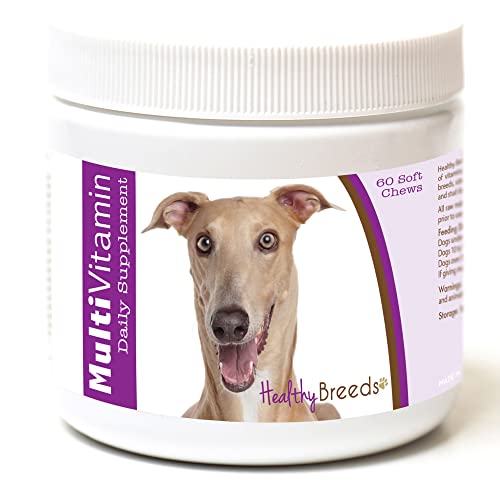
The Complete Guide to Greyhound Breeds
Uncover the elegance and gentle nature of Greyhounds. From their ancient history to modern-day care, this guide covers everything you need to know about these remarkable sighthounds.
Greyhounds are one of the oldest and most revered dog breeds in history. Known for their incredible speed and graceful appearance, they are much more than racing dogs. They are affectionate, calm, and surprisingly low-maintenance companions that thrive in a variety of home environments. This comprehensive guide will walk you through the breed's history, personality, health needs, and how to provide the best care for your Greyhound.
History & Origins of the Greyhound
The Greyhound is a breed steeped in antiquity, with a history that can be traced back over 4,000 years to ancient Egypt, where they were revered as royal companions. Their ancestors were bred for hunting game like deer and hare across the plains of the Middle East and Europe. The modern Greyhound we know today was refined in England, where they became the breed of choice for coursing and, later, for the popular sport of dog racing.
While their role as racing dogs brought them fame, it's their gentle temperament and adaptability that have made them beloved family pets. Understanding their history helps explain their unique instincts, such as their strong prey drive and their love for short, explosive bursts of speed followed by long periods of rest.
Types of Greyhound Breeds
While the standard Greyhound is the most well-known, the sighthound family includes several distinct breeds that share similar characteristics. Here is a breakdown of the most popular ones:
Standard Greyhound
The quintessential racing and coursing dog. Known for its sleek, aerodynamic build and incredible speed, reaching up to 45 mph. They are gentle, affectionate, and make wonderful companions for active families.
$800–$2,500Italian Greyhound
The miniature version of the Greyhound, often affectionately called an "Iggy." They are delicate, playful, and devoted companions. While they share the Greyhound's elegance, they are smaller and more fragile, requiring careful handling.
$1,200+Whippet
Often described as a "poor man's Greyhound," the Whippet is a medium-sized sighthound known for its agility and speed. They are incredibly friendly, adaptable, and have a playful yet calm demeanor, making them excellent family dogs.
$800–$1,500Other Sighthounds (Saluki, Afghan)
While not Greyhounds, breeds like the Saluki and Afghan Hound share a similar history and temperament. They are independent, elegant, and require patient owners who understand their unique, cat-like personalities.
$1,500+Greyhound Care & Health Essentials
Greyhounds are generally healthy, but they have unique physiological traits that owners must understand. Their low body fat and thin skin make them sensitive to extreme temperatures and prone to injuries. They also have different blood values compared to other breeds, which is crucial information for your veterinarian.
Key Health Considerations:
- • Bloat (Gastric Dilatation-Volvulus): A life-threatening condition. Feed smaller meals and avoid exercise immediately after eating.
- • Osteosarcoma: Bone cancer is more prevalent in Greyhounds. Regular vet check-ups are essential.
- • Anesthesia Sensitivity: Greyhounds have low body fat and can be sensitive to certain anesthetics. Always inform your vet.
- • Skin Issues: Their thin skin is prone to cuts and scrapes. Protect them in rough play and cold weather.
Preventive care is crucial for a long, healthy life. Regular dog vet visits can help catch potential issues early. It's also wise to consider dog insurance to help manage the costs of unexpected health problems. If your Greyhound develops joint issues, exploring dog joint supplements and options for dog mobility can make a significant difference in their quality of life.
Pro Tip: A healthy diet is the foundation of good health. Greyhounds thrive on high-quality food. Many owners find success with a fresh dog food diet or a balanced raw dog food plan. Always consult your vet before making major dietary changes.
Exercise & Training Your Greyhound
The saying "45-mph couch potato" perfectly describes the Greyhound's exercise needs. They are sprinters, not marathon runners. A couple of short bursts of high-speed running (in a safe, fenced area) each day is usually enough to keep them happy and healthy. The rest of the time, they love to lounge and sleep, making them surprisingly suitable for apartment living.
Training a Greyhound requires a gentle and consistent approach. They are sensitive and do not respond well to harsh or negative methods. Using positive reinforcement, patience, and high-value treats is the key to success. Their strong prey drive can make recall training challenging, so off-leash activities should only be done in secure areas.
For more guidance on training, check out our resources on dog training basics. If you live in a city or have a busy lifestyle, hiring a professional dog walker hire can ensure your Greyhound gets their daily exercise and mental stimulation.
Greyhound vs. Whippet vs. Italian Greyhound
Choosing the right sighthound for your family depends on your lifestyle. Here's a quick comparison of the three most popular Greyhound breeds:
| Breed | Size | Temperament | Exercise Needs | Good for Families |
|---|---|---|---|---|
| Greyhound | Large (60-80 lbs) | Gentle, calm, independent | High (sprinting) | Excellent with children and other dogs |
| Whippet | Medium (25-40 lbs) | Playful, affectionate, adaptable | Moderate | Great with families and active owners |
| Italian Greyhound | Small (7-14 lbs) | Affectionate, sensitive, eager to please | Low to Moderate | Good for adults and older children |
Debunking Common Greyhound Myths
- Myth: Greyhounds are hyperactive and need tons of exercise. Truth: They are sprinters and are actually very lazy indoors. They are happy with a good run and then sleeping for hours.
- Myth: Greyhounds are not good with children. Truth: They are generally gentle, tolerant, and patient with children, making them great family dogs.
- Myth: Greyhounds are aggressive. Truth: They are often muzzled for racing but are not aggressive. The muzzles are for safety during high-speed runs.
- Myth: Greyhounds can't be apartment dogs. Truth: Due to their calm nature, they adapt well to apartment life, provided they get their daily exercise.
Frequently Asked Questions about Greyhounds
Is a Greyhound right for you?
Greyhounds are an incredible breed for the right owner. They are elegant, gentle, and surprisingly low-maintenance. If you can provide a safe space for them to run, a warm place to sleep, and a lifetime of love, a Greyhound will be a loyal and devoted companion. Whether you choose a standard Greyhound, a playful Whippet, or a delicate Italian Greyhound, you are welcoming a piece of living history into your home. Their calm demeanor and affectionate nature make them a joy to live with.