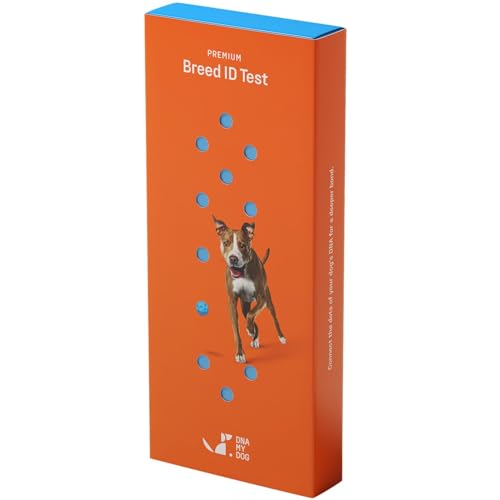
Health Tests for Dog Breeders
Complete guide to genetic screening, OFA certification, DNA testing, and responsible breeding practices to ensure healthy puppies and ethical breeding programs.
Responsible dog breeding begins with comprehensive health testing. As a breeder, you have the power to shape the future of your breed — and with that power comes the responsibility to minimize hereditary diseases in the puppies you produce. Health testing isn't just about avoiding problems; it's about actively improving breed health for generations to come.
This guide walks you through every essential health test for dog breeders — from orthopedic evaluations to genetic DNA screening — so you can build a breeding program that prioritizes health, temperament, and longevity. Whether you're a reputable breeder just starting out or an experienced program looking to refine your health protocols, the information here will help you make confident, science-based decisions.
Why Health Testing Matters
Health testing is the cornerstone of responsible dog breeding. It's the difference between producing puppies that suffer from preventable diseases and those that live long, healthy lives with their families. Every breeding dog should undergo comprehensive health screening before producing offspring.
The Impact of Health Testing
- Reduces disease prevalence: Testing identifies carriers of hereditary conditions so you can avoid breeding two carriers together, gradually reducing disease incidence in the breed.
- Prevents suffering: Puppies born free of inherited diseases live happier, pain-free lives. You're not just producing puppies — you're producing family members who will bring joy for years.
- Protects your reputation: Breeders who health test build trust with puppy buyers and are respected within the breeding community. Your reputation as an ethical breeder depends on transparent health practices.
- Advances breed health: Every health-tested dog contributes to databases like OFA that provide critical health data for breed clubs and researchers working to improve breed health.
Key Takeaway:
Health testing is not optional for ethical breeders — it's a fundamental responsibility. The puppies you produce will live 10-15 years with the families who trust you. Give them the best chance at a healthy life by testing every breeding dog thoroughly.
OFA & PennHIP Certification
Orthopedic evaluations are among the most critical health tests for breeding dogs. Hip and elbow dysplasia are common inherited conditions that cause pain, mobility issues, and significantly reduced quality of life. OFA and PennHIP are the two primary certification systems used by responsible breeders worldwide.
OFA (Orthopedic Foundation for Animals)
OFA is the most widely recognized orthopedic evaluation system. Radiographs (X-rays) of the hips and elbows are taken by a veterinarian and submitted to OFA for evaluation by board-certified radiologists. Dogs must be at least 24 months old for final OFA certification, as joint development needs to be complete for accurate assessment.
- Hip Evaluation: Rated as Excellent, Good, Fair (all considered "passing"), or Borderline, Mild, Moderate, Severe Dysplasia (failing). Only dogs rated Excellent, Good, or Fair should be bred.
- Elbow Evaluation: Rated as Normal (Grade 0), Grade I, II, or III (dysplastic). Only dogs with Normal elbows should be bred.
- Cost: $35-50 per evaluation plus veterinary radiograph costs ($200-400 per set). Results are published in OFA's public database.
PennHIP (University of Pennsylvania Hip Improvement Program)
PennHIP offers an alternative method that measures hip laxity (looseness) more precisely than traditional OFA evaluation. PennHIP uses three radiographic views to calculate a Distraction Index (DI) — a more sensitive measure of hip joint laxity that predicts future osteoarthritis risk.
- DI Score: Lower scores indicate tighter hips and lower risk of developing hip dysplasia. PennHIP provides breed-specific percentile rankings to help breeders select dogs with above-average hip quality.
- Timing: PennHIP can be performed as early as 16 weeks, though most breeders wait until at least 12-18 months for meaningful results.
- Cost: $300-500 including radiographs and evaluation, typically more expensive than OFA.
Breeder Tip: Many reputable breeders use both OFA and PennHIP for their breeding stock. OFA provides the traditional certification that puppy buyers recognize, while PennHIP offers more precise data about joint laxity. Together, they give you the most complete picture of your dog's orthopedic health. Review our health testing guide for more details.
DNA Genetic Testing
Genetic DNA testing has revolutionized dog breeding. Today, we can identify carriers of over 200 inherited diseases with a simple cheek swab. This allows breeders to make informed breeding decisions that virtually eliminate specific genetic diseases from their lines.
Breed-Specific Disease Panels
$150–$250Custom panels that test for mutations known to affect specific breeds. Examples include PRA (Progressive Retinal Atrophy) in Labs, von Willebrand Disease in Dobermans, and cystinuria in Newfoundlands. These targeted panels are more cost-effective than full genome testing.
Comprehensive Health Screening
$250–$500Broader testing that screens for 150-200+ genetic markers across multiple disease categories. Ideal for breeders working with breeds that have a wide range of potential health issues or for mixed-breed breeding programs.
Full Genome Sequencing
$800–$1,500Most comprehensive option — analyzes the entire genome. Currently expensive but becoming more accessible. Provides the most complete genetic profile for serious breeders who want to contribute to breed health research.
Genetic Diversity Testing
$200–$350Measures genetic diversity (heterozygosity) within the breed. Low diversity increases risk of inherited diseases. Tests like the JVS (Jersey Veterinary Services) genetic diversity analysis help breeders make decisions that maintain breed health long-term.
Understanding Genetic Test Results
Genetic test results typically show three possible outcomes:
- Clear (Normal): Dog does not carry the disease mutation. Can be bred to any partner without producing affected puppies.
- Carrier: Dog carries one copy of the disease mutation. Will not be affected but can pass the mutation to offspring. Can be bred safely to clear dogs — affected puppies won't be produced, though 50% of puppies may be carriers.
- Affected (At Risk): Dog has two copies of the disease mutation. Will likely develop the disease (for recessive disorders) or is at significantly increased risk. Responsible breeders do not breed affected dogs for genetic diseases.
Important: Genetic testing is not a substitute for physical health examinations. A dog may have excellent genetics but still have health issues due to environment, nutrition, or injury. Always combine genetic testing with comprehensive physical exams, OFA certifications, and regular veterinary care. Learn more about genetic testing for dog breeds.
Breed-Specific Health Tests
Every breed has unique health predispositions. Responsible breeders tailor their testing protocol to their specific breed's known health risks. Here are common tests organized by breed category:
| Breed Group | Common Tests | Approximate Cost |
|---|---|---|
| Sporting Breeds (Labs, Goldens, Spaniels) | OFA Hips/Elbows, Eye CERF, Cardiac, DNA: PRA, EIC | $500–$1,200 |
| Herding Breeds (GSD, Collies, Aussies) | OFA Hips/Elbows, DM test, MDR1, Eye CERF, Thyroid | $600–$1,400 |
| Working Breeds (Dobermans, Rottweilers, Boxers) | OFA Hips/Elbows, Cardiac, vWD, DM, Thyroid, Eye CERF | $700–$1,600 |
| Terrier Breeds (Bulldogs, Westies, Staffords) | OFA Hips/Elbows, Eye CERF, DNA: HC, L-2-HGA, Thyroid | $500–$1,200 |
| Toy Breeds (Poms, Chihuahuas, Poodles) | OFA Patella, Cardiac, Eye CERF, DNA: PRA, vWD, DM | $400–$1,000 |
| Giant Breeds (Great Danes, Mastiffs, Newfoundlands) | OFA Hips/Elbows, Cardiac, Thyroid, DNA: DCM, cystinuria | $700–$1,800 |
Additional Health Evaluations
- Eye CERF (Canine Eye Registration Foundation): Annual eye examination by a veterinary ophthalmologist. Essential for breeds prone to hereditary cataracts, PRA, and other eye diseases. Costs $100-200 annually.
- Cardiac Evaluation: Heart screening through auscultation, ECG, or echocardiogram. Critical for breeds prone to dilated cardiomyopathy (DCM) or other heart conditions. Costs $200-600 depending on test complexity.
- Thyroid Function: Blood test for hypothyroidism — common in many breeds and affects metabolism, coat, and behavior. Costs $75-150.
- Breeding Soundness Exam: Comprehensive reproductive evaluation including brucellosis testing, sperm analysis (for males), and reproductive tract assessment. Costs $200-500.
Testing Timeline & Age Requirements
Knowing when to perform each health test is as important as knowing which tests to do. Here's a recommended timeline for health testing your breeding dogs:
- 8-16 weeks: DNA genetic testing can be performed at any age. Consider early testing to screen for genetic markers.
- 12-18 months: PennHIP evaluation can be performed (earlier than OFA). Eye examination (CERF) can begin at this age but should be repeated annually.
- 24 months (2 years): Minimum age for OFA hip and elbow final certification. This is the gold standard age for orthopedic evaluation.
- 24-36 months: Cardiac evaluation (echocardiogram for breeds at risk) is often recommended at 2-3 years to detect early heart disease.
- Annual: Eye examinations (CERF), thyroid function testing, and regular vet checkups should be performed annually throughout the dog's breeding career.
- Before breeding: All tests should be completed and results reviewed before any breeding takes place. Never breed a dog without complete health records.
Breeder's Schedule: Plan ahead. Start your health testing process at least 6-12 months before your dog reaches breeding age. Some tests have wait times for appointments or results. A well-planned testing schedule ensures you have all results before making breeding decisions. Read our guide on health guarantees for puppies to understand how testing protects both you and your buyers.
Cost Breakdown & Investment
Health testing is an investment in your breeding program's future. While the upfront costs can seem significant, they're small compared to the cost of producing puppies with preventable genetic diseases — both financially and emotionally.
Typical Costs Per Dog
- OFA Hips + Elbows: $300–$600 (including radiographs & evaluation fees)
- PennHIP: $300–$500
- DNA Genetic Panel: $150–$350
- Eye CERF Exam: $100–$200 (annual)
- Cardiac Evaluation: $200–$600
- Thyroid Test: $75–$150
- Reproductive Exam: $150–$300
Total Investment
Comprehensive Testing Package:
$1,200–$2,500 per dog
For a complete health profile including OFA, DNA panel, eye, cardiac, and thyroid testing.
Consider this an investment in your breeding program's reputation and the health of every puppy you produce. Health-tested breeding dogs command higher prices and are more attractive to educated puppy buyers. Explore our puppy price guide by breed to understand how testing affects market value.
Interpreting Test Results
Understanding your test results is essential for making responsible breeding decisions. Here's what to look for:
- OFA Hip Results: Excellent > Good > Fair (all acceptable for breeding). Avoid breeding dogs with Borderline, Mild, Moderate, or Severe Dysplasia.
- OFA Elbow Results: Normal (Grade 0) only. Avoid breeding dogs with any grade of elbow dysplasia.
- DNA Results: Clear = breed to any dog. Carrier = breed only to clear dogs to avoid producing affected puppies. Affected = do not breed.
- PennHIP DI: Lower is better. Compare your dog's score to breed averages. Select dogs with scores below breed median.
- CERF Eye Results: "Normal" is the goal. Annual exams to detect late-onset conditions like PRA or cataracts.
Working with Your Veterinarian: Always review your health test results with a veterinarian who understands breeding medicine. They can help you interpret complex results, understand breed-specific considerations, and make informed breeding decisions that prioritize health without sacrificing genetic diversity. Learn more about ethical breeding practices and how to build a program that prioritizes health.
Making Informed Breeding Decisions
Health test results are data points — they guide your decisions but shouldn't be the only factor. Here's how to integrate health testing into your breeding program:
- Never breed untested dogs: This should be your absolute rule. If you can't verify a dog's health status through reputable testing, they should not be part of your breeding program.
- Test everything possible: Don't pick and choose. Test for every known health condition in your breed. The cost is worth the peace of mind and improved breed health.
- Consider the full picture: A dog might have excellent hips but be a carrier for a genetic disease. That's okay — you can manage carrier status by breeding to clear dogs. But a dog with poor hips should not be bred regardless of other merits.
- Balance health and genetic diversity: If you eliminate every dog that's a carrier for any disease, you may lose valuable genetic diversity. This is where understanding inheritance patterns and using targeted breeding strategies becomes important. Work with breed club health committees to make balanced decisions.
- Document everything: Keep detailed records of all health tests and results. This documentation is valuable for your own program and essential for building trust with puppy buyers.
Ethical Breeding Standards
Health testing is one component of ethical dog breeding. A truly responsible breeder goes beyond testing:
- Transparency: Share all health test results openly with puppy buyers. Hiding or omitting results is unethical and erodes trust in the breeding community. Read our guide on questions to ask a dog breeder to understand what ethical buyers should expect.
- Ongoing commitment: Health testing isn't a one-time event. Continue testing throughout your dog's breeding career. Some conditions develop later in life.
- Health guarantees: Provide clear, fair health guarantees for your puppies. This demonstrates your confidence in your breeding program and protects your buyers. Review our breeder contract guide for best practices.
- Breed club standards: Follow and exceed the minimum health testing requirements set by your national breed club. Be a leader in breed health improvement.
- Continuous learning: Stay current with advances in canine genetics and health testing. New tests are developed regularly. Subscribe to breed club newsletters and attend health seminars.
Final Thought: The dogs you produce will spend their lives with loving families. They will be companions, family members, and treasured friends. Every health test you perform is a gift to those families — a promise that you did everything possible to give their puppy a healthy start. That's what responsible breeding is all about. Learn more about how to find a reputable dog breeder and what to look for when choosing a breeding program.
Frequently Asked Questions
Ready to Build a Responsible Breeding Program?
Health testing is the foundation of ethical dog breeding. It protects the puppies you produce, builds trust with buyers, and contributes to the long-term health of your breed. Start by researching the health requirements for your specific breed, consult with breed club health committees, and develop a comprehensive testing plan for every breeding dog in your program. The investment in health testing is an investment in the future — for your breed, for your reputation, and for the families who will welcome your puppies into their homes. Learn more about healthy dog breeds and what makes a breed truly healthy.