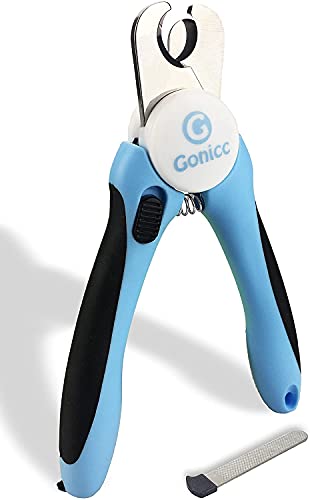
Highest Rated Dog Nail Clippers
Your complete guide to choosing safe, effective nail clippers — so you can trim your dog's nails with confidence and keep their paws healthy at home.
Trimming your dog's nails is one of those grooming tasks that can feel intimidating — especially if you've ever accidentally cut too close or dealt with a squirmy pup. But with the right tool in hand, nail care becomes a quick, low-stress routine that protects your dog's paw health and saves you frequent trips to the groomer.
The market is flooded with options, from classic scissor-style clippers to guillotine designs and even rotary grinders. So-called "highest rated" models earn their reputation through a combination of sharp blades, secure grips, and safety features that prevent painful mistakes. This guide breaks down exactly what separates a top-tier clipper from a frustrating one, so you can make an informed choice for your dog's specific needs.
Why the Right Clipper Matters
Overgrown nails aren't just a cosmetic issue. When a dog's nails grow too long, they hit the ground with every step, forcing the paw into an unnatural position. Over time, this can lead to splayed feet, joint strain, and even tendon damage [citation:10]. Regular trimming keeps the nails at a healthy length and helps the quick — the sensitive blood vessel inside the nail — recede naturally over time.
A quality clipper makes this maintenance easier and safer. Dull or poorly designed blades crush and splinter the nail rather than cutting cleanly, which can be painful and cause your dog to resist future trims [citation:3][citation:13]. Sharp, well-aligned blades slice through the nail in one smooth motion, minimizing discomfort and reducing the risk of a bad experience.
The Cost of Poor Tools: A single bad clipping experience can make a dog fearful of paw handling for life. Investing in a reliable clipper from the start is far easier than rehabilitating a nail-trimming aversion later. If your dog already struggles with grooming, you may also want to explore calming products for dogs to create a more relaxed environment.
Types of Dog Nail Clippers
Not all clippers are built the same. Understanding the three main styles helps you narrow down which one suits your dog's nail type and your comfort level.
Scissor / Plier-Style Clippers
These are the most common and versatile option. They work like scissors with curved blades that cradle the nail, allowing for precise, controlled cuts. High-quality plier-style clippers often feature stainless steel blades and spring-loaded mechanisms for a clean, powerful cut with minimal hand effort [citation:10][citation:12].
They're suitable for all dog sizes, though larger breeds benefit from heavy-duty models with longer handles for better leverage. Many veterinarians favor this style because the open blade design makes it easier to see exactly where you're cutting [citation:10].
Best for: All sizes, especially thick nailsGuillotine-Style Clippers
Guillotine clippers use a sliding blade that cuts across a metal ring where the nail is placed. They distribute cutting force evenly across the nail, which some dogs tolerate better. However, they can be harder to position accurately, and the closed-ring design obscures your view of the nail [citation:16].
They tend to work best for small to medium dogs with thinner nails. For large dogs with thick nails, they often lack the cutting force needed for a clean trim [citation:5][citation:12].
Best for: Small to medium dogs, thin nails| Feature | Scissor / Plier | Guillotine | Nail Grinder |
|---|---|---|---|
| Cutting action | Smooth, precise | Even pressure | Gradual filing |
| Visibility of quick | Good | Limited | Good with practice |
| Best nail type | All types | Thin to medium | All types |
| Noise level | Quiet | Quiet | Motor noise |
| Learning curve | Low | Moderate | High |
There's also the option of a nail grinder, which files the nail down rather than cutting it. Grinders are excellent for smoothing rough edges and are less likely to cause bleeding, but the motor noise and vibration bother some dogs. They also require more practice to use safely [citation:3][citation:16]. For most owners, a quality pair of plier-style clippers is the most practical starting point.
Key Features to Look For
When evaluating the highest rated dog nail clippers, these are the features that consistently separate top performers from the rest:
- Sharp stainless steel blades. This is non-negotiable. Stainless steel resists rust and holds a sharp edge longer than cheaper materials. Dull blades crush the nail, causing splitting and discomfort [citation:3]. If you notice the clipper "smushing" rather than slicing, it's time to replace it.
- Ergonomic, non-slip handles. Nail trimming requires a steady hand, especially with a squirmy dog. Look for rubberized or textured grips that stay secure even if your hands get sweaty or the dog jerks unexpectedly.
- Safety guard. Many clippers include an adjustable guard that limits how much nail can be cut in one pass. While a guard isn't foolproof — it can shift or be bypassed if pressed firmly — it provides a useful visual and physical reference point, particularly for beginners [citation:2][citation:8].
- Spring-loaded mechanism. A strong spring returns the blades to the open position automatically, reducing hand fatigue and making repeated cuts faster and smoother.
- Locking mechanism. A simple latch keeps the blades closed when not in use, protecting the cutting edge and preventing accidental nicks if the clipper is stored loose in a drawer.
- Appropriate size. A clipper that's too large for a small dog makes it difficult to position the nail accurately. One that's too small for a large dog may not generate enough force for thick nails. Match the tool to the dog [citation:5].
Pro Tip: If you're unsure whether a clipper is sharp enough, test it on a piece of sturdy cardboard or a wooden skewer. A sharp blade should cut cleanly through with minimal pressure. If it crushes or tears the material, it won't perform well on nails either.
Matching Clippers to Your Dog
The "highest rated" clipper overall may not be the highest rated for your dog. Size and nail thickness are critical factors.
Small Dogs and Puppies
Small breeds and puppies have thinner, more delicate nails. Oversized clippers can crush these nails or make it difficult to see the quick. Look for smaller plier-style clippers or guillotine styles designed for small pets. The blades should be compact enough to make precise, small cuts. If you're also working on other grooming tasks, our guide to dog brushes can help you build a complete grooming kit.
Medium Dogs
Medium breeds typically do well with standard plier-style clippers. These offer a good balance of cutting power and maneuverability. Many mid-range models in this category include safety guards and ergonomic grips that make them suitable for regular home use.
Large and Giant Breeds
Thick, tough nails require heavy-duty clippers with longer handles for leverage and a strong spring mechanism. Standard clippers may struggle or require excessive force, which can lead to a jerky cut that startles the dog. Many large-dog owners find that pairing a heavy-duty clipper for the bulk of the nail with a smaller clipper or grinder for finishing touches gives the best results [citation:5]. For giant breeds with especially dense nails, seeking a behaviorist isn't relevant — but consulting your vet about the right tool for your specific dog's nail composition is always wise.
Safety and Technique
Even the best clipper can cause problems in inexperienced hands. These techniques reduce risk and make the experience more pleasant for both of you:
- Desensitize first. Before you ever clip, spend time handling your dog's paws and touching the clippers to the nail without cutting. Pair this with high-value treats. A dog who is relaxed about paw handling is far easier to trim [citation:1][citation:7].
- Find the quick. On light-colored nails, the quick appears as a pink area near the base. On dark nails, it's harder to see — cut in tiny slivers and watch for a dark spot or ring appearing in the center of the cut surface. That's your signal to stop [citation:1][citation:16].
- Cut small amounts. Never take off a large chunk in one go, especially on dark nails. Multiple small cuts give you more control and reduce the chance of hitting the quick [citation:5].
- Have styptic powder ready. Accidents happen even to experienced groomers. Styptic powder stops minor bleeding quickly if you do nick the quick. Keep it within arm's reach every time you trim [citation:16].
- Keep sessions short. If your dog is anxious, trim one or two nails and stop. A positive short session is better than a long stressful one. You can also explore anxiety wraps for dogs to help keep your pet calm during grooming.
When to Stop: If your dog is panicking, panting heavily, or trying to escape, end the session. Forcing the issue creates lasting fear. Break the process into multiple short sessions across several days. If nail trimming consistently causes extreme distress, ask your vet about professional grooming or medication-assisted trimming options.
Maintaining Your Clippers
A quality pair of clippers can last for years if you care for them properly. Wipe the blades clean after each use to remove nail dust and debris. Dry them thoroughly before storing — moisture leads to rust, which dulls the edge and compromises hygiene. Engage the safety lock when the clippers are not in use to protect the blades and prevent accidental cuts [citation:3].
Even with good care, blades dull over time. If you notice the clipper requiring more force, crushing the nail, or leaving a ragged edge, replace it. Some high-end clippers allow blade replacement, which is more economical than buying a whole new tool. For other grooming essentials, explore our recommendations for dog nail clippers and dog shampoo to keep your dog's coat and paws in excellent condition.
Frequently Asked Questions
The Bottom Line
The highest rated dog nail clippers earn their reputation through sharp blades, secure grips, and thoughtful safety features. But the best tool for your dog is ultimately the one that fits their nail type, matches your hand strength, and gives you the confidence to trim regularly. Pair a quality clipper with patient, positive handling, and nail care becomes just another part of the routine — not a battle. For more grooming essentials, explore our full range of dog products and dog nail clippers.