How to Treat Your Dog at Home for Parvo
Supportive home care can make a difference during parvo treatment. Learn safe hydration methods, nutrition, and when to seek emergency veterinary care.
Canine parvovirus is a highly contagious and life-threatening viral disease that primarily affects unvaccinated puppies and young dogs. It attacks the gastrointestinal tract and can cause severe vomiting, bloody diarrhea, dehydration, and in many cases, death. While home care is not a substitute for professional veterinary treatment, understanding how to provide supportive care at home can significantly improve your dog's chances of survival, especially when used in conjunction with a veterinarian's guidance.
This guide will walk you through the essential steps of treating your dog at home for parvo, from identifying early warning signs to providing proper hydration, nutrition, and isolation. If you suspect your dog has parvo, the first step is always to consult a veterinarian immediately. Early intervention is the most critical factor in survival.
⚠️ URGENT WARNING:
Parvovirus is life-threatening. Home care is supportive only and should never replace professional veterinary treatment. Dogs with parvo often require hospitalization with IV fluids, anti-nausea medications, and antibiotics. If your dog is experiencing severe vomiting, bloody diarrhea, or extreme lethargy, seek emergency veterinary care immediately.
Click here if you think your dog has parvo — emergency steps you must take now →
Understanding Parvo in Dogs
Parvovirus is an extremely resilient virus that can survive in the environment for months to years. It is resistant to many common disinfectants and can be carried on shoes, clothing, and even by other animals. The virus attacks rapidly dividing cells, most notably those in the intestinal lining, leading to severe damage and allowing bacteria to enter the bloodstream.
Early Signs of Parvo:
• Severe, foul-smelling diarrhea (often bloody)
• Profuse vomiting
• High fever or low body temperature
• Lethargy and weakness
• Loss of appetite
• Dehydration (sunken eyes, dry gums, skin tenting)
If you notice these symptoms, learn more about the first signs of parvo here.
Puppies between 6 weeks and 6 months of age are at the highest risk, particularly those who are not fully vaccinated. Certain breeds, such as Rottweilers, Doberman Pinschers, and German Shepherds, may be more susceptible to severe cases. If your dog is showing any of these symptoms, you must act quickly.
When to Seek Emergency Care
There is a common misconception that parvo can be treated entirely at home with natural remedies. This is extremely dangerous. Parvo causes rapid dehydration and can be fatal within 48-72 hours of symptom onset. The following signs require immediate emergency veterinary attention:
- Persistent vomiting: Your dog cannot keep any food or water down.
- Bloody diarrhea: Severe, frequent, and often with a distinct "rotten" odor.
- Extreme lethargy: Your dog is unable to stand or is unresponsive.
- Signs of severe dehydration: Dry gums, pale gums, skin that does not snap back when pinched.
- Low body temperature: Below 99°F (37.2°C) is a critical emergency sign.
What to do if you think your dog has parvo:
Call your vet immediately and let them know you're coming. Isolate your dog from other pets in your home. Wear protective clothing and wash your hands thoroughly after handling your dog to prevent spreading the virus. For a complete emergency checklist, read our guide on what to do if you think your dog has parvo.
The most effective treatment for parvo is intensive hospitalization with intravenous fluids, anti-emetics (anti-vomiting drugs), antibiotics to prevent secondary bacterial infections, and sometimes plasma transfusions. Dogs receiving this level of care have survival rates of 80-90%. Without treatment, mortality rates can exceed 90%.
Hydration & Fluid Therapy at Home
Dehydration is the primary cause of death in dogs with parvo. The severe vomiting and diarrhea cause massive fluid loss, leading to electrolyte imbalances and organ failure. While IV fluids are the gold standard (and are always preferred), there are supportive hydration steps you can take at home after consulting with your vet.
Oral Rehydration Solutions
If your dog is not actively vomiting, you can offer small amounts of an oral rehydration solution (ORS) every 1-2 hours. Never force fluids down a dog's throat if they are vomiting, as this can cause aspiration pneumonia.
Simple ORS Recipe (Home Version):
- 1 liter (4 cups) of warm, clean water
- 1 tablespoon of sugar or honey
- 1/2 teaspoon of salt (do not use flavored or iodized salt)
Mix thoroughly and offer via syringe (without needle) or dropper into the side of the mouth. Start with 1-2 ml every 30 minutes. If tolerated, gradually increase to 5-10 ml per hour.
Pedialyte & Electrolyte Solutions
Unflavored pediatric electrolyte solutions (like Pedialyte) are excellent for rehydration. They contain the right balance of electrolytes and sugars. You can purchase them at any pharmacy. Offer in the same small amounts as the ORS. Do not use Gatorade or sports drinks — they contain too much sugar and the wrong electrolyte balance for dogs.
If your dog can drink on their own, keep a fresh bowl of ORS or Pedialyte available at all times. However, if they are not voluntarily drinking, you must offer it manually to ensure they are getting fluids.
⚠️ DO NOT FORCE FLUIDS:
If your dog is actively vomiting or refuses to swallow, forcing fluids can cause them to choke or aspirate fluid into their lungs. This can be fatal. If your dog cannot keep fluids down, they need to be hospitalized for IV fluids. Do not delay seeking veterinary care.
Nutrition & Feeding During Parvo
Nutrition is another critical component of parvo recovery. The virus damages the intestinal lining, making it difficult for the dog to digest food and absorb nutrients. However, providing easily digestible nutrition is essential for the body to heal and fight the infection.
When to Start Feeding
Do not feed your dog if they are actively vomiting. Wait until they have not vomited for at least 4-6 hours before offering food. When you do start, begin with extremely small amounts — a teaspoon or less — and monitor their response.
Best Bland Diet for Parvo
The standard "bland diet" recommended by veterinarians for gastrointestinal issues is:
- Boiled chicken breast (skinless): Cook thoroughly and shred into small pieces. Avoid any seasoning, oils, or spices.
- Plain white rice: Cooked until very soft and easily digestible. Use a 1:2 ratio of chicken to rice.
- Low-sodium chicken broth (optional): If your dog is reluctant to eat, warming plain, low-sodium broth and mixing it with the chicken and rice can make it more appealing.
Start with a single teaspoon of this mixture every 2-3 hours. If your dog keeps it down without vomiting, gradually increase the amount and frequency over the next few days. If they vomit after eating, stop feeding and contact your vet.
💡 Tips for Picky Eaters:
If your dog won't eat the bland diet, try offering a small amount of unflavored, unsweetened plain yogurt (with live cultures) or canned pumpkin (not pie filling). These are gentle on the stomach and contain beneficial nutrients. Always check with your vet before adding anything new. For more ideas, read our guide on what to feed a sick dog that won't eat.
Medications & Supportive Care
Home care medications should only be given under the direct guidance of a veterinarian. Never self-prescribe medications for your dog, as incorrect dosages can be fatal. Here are common supportive medications your vet may recommend:
- Anti-emetics (anti-vomiting): Cerenia (maropitant) is the most common prescription used to stop vomiting. This must be prescribed by a vet and is typically administered by injection.
- Antibiotics: Parvo damages the intestinal barrier, allowing bacteria to enter the bloodstream. Broad-spectrum antibiotics are often prescribed to prevent life-threatening sepsis.
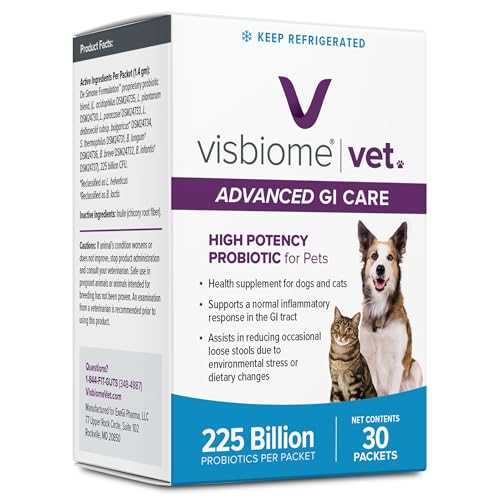
- Probiotics: These can help restore healthy gut bacteria after severe damage. Learn more about dog supplements for gut health.
- Anti-diarrheals: Sometimes prescribed, but the diarrhea is the body's way of expelling the virus, so these are used cautiously.
⚠️ NEVER GIVE HUMAN MEDICATIONS:
Medications like ibuprofen, acetaminophen, or Pepto-Bismol are toxic to dogs and can cause fatal reactions. Always consult a veterinarian before giving any medication to your dog, including over-the-counter products.
Isolation & Sanitization Protocols
Parvovirus is extremely contagious and can be spread through contact with infected feces, vomit, or contaminated surfaces. It can also be tracked into your home on shoes and clothing. Proper isolation and sanitization are crucial to prevent spreading the virus to other dogs.
Isolation Steps
- Separate your infected dog: Keep them in a single room, away from all other pets. Use a room with hard floors for easier cleaning.
- Dedicated supplies: Use separate food and water bowls, bedding, and toys. Do not share any items between dogs.
- Protective gear: Use disposable gloves and a dedicated pair of shoes when entering the isolation area. Consider using a plastic apron or coveralls.
- Hand washing: Wash hands thoroughly with soap and water for at least 20 seconds after any contact.
Sanitization Steps
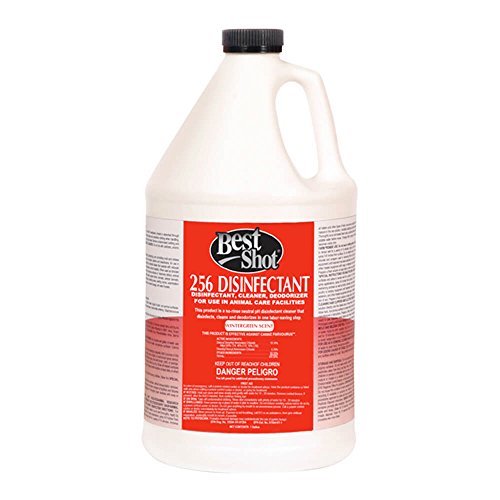
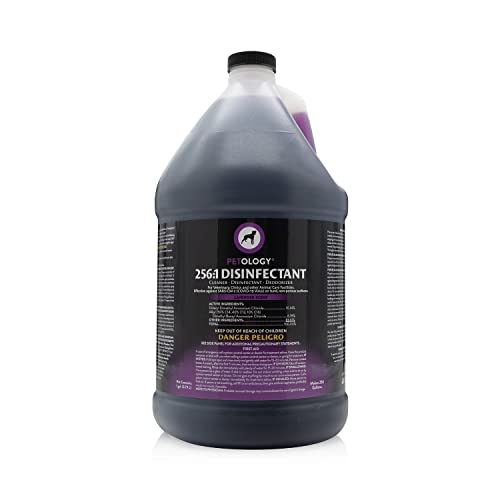
- Bleach solution: A solution of 1 part bleach to 30 parts water (1:30 dilution) is one of the few disinfectants that kills parvovirus. Apply to surfaces and allow it to sit for 10-15 minutes before rinsing.
- Washable items: All bedding, towels, and washable toys should be washed in the hottest water setting with bleach (if color-safe) and dried on high heat.
- Hard surfaces: Clean floors, walls, and crates with the bleach solution. Use a mop or cloth. Do not use on porous surfaces (like wood) without checking first.
- Outdoor areas: Flush outdoor areas with water and dilute bleach solution where possible. The virus can survive in soil for months.
Important Note: Parvovirus can survive for 6-12 months in the environment. Even after your dog recovers, you must maintain strict sanitization protocols. Do not bring any unvaccinated or new puppies into your home for at least 6 months.
Monitoring Your Dog's Progress
Careful monitoring is vital during parvo treatment. Keep a detailed log of your dog's symptoms, fluid intake, and food intake. This will help you and your vet make informed decisions about their care.
Key Signs to Track
- Vomiting frequency: How often is your dog vomiting? Is it bile, water, or food?
- Stool consistency: Is it becoming more formed, or is it still bloody and watery? The presence of fresh blood (bright red) is less concerning than dark, tarry stool (digested blood).
- Energy levels: Is your dog showing any signs of improved energy? Are they more alert or interested in their surroundings?
- Appetite: Are they showing any interest in food or water? Even a small interest is a positive sign.
- Temperature: Normal dog temperature is between 100.5°F and 102.5°F (38.1-39.2°C). Use a digital rectal thermometer to monitor. A drop below 99°F is a medical emergency.
If you see improvement — less vomiting, more formed stool, increased interest in eating and drinking — your dog is likely on the mend. If symptoms worsen (increased vomiting, worsening diarrhea, collapse), contact your vet or emergency clinic immediately.
Post-Recovery Care
Recovery from parvo takes time. Even after the virus is cleared, the intestinal lining needs time to heal, and your dog may be weak and malnourished. Here's what to expect and how to support your dog during the recovery phase:
- Slowly transition back to regular food: Once your dog is eating the bland diet well without vomiting, slowly introduce their regular food over the course of 3-5 days. Mix increasing amounts of regular food with decreasing amounts of the bland diet.
- Probiotic support: Continue probiotics to help repopulate healthy gut bacteria. Discuss with your vet which probiotic is best for your dog's situation.
- Rest and recuperation: Your dog will need plenty of rest. Limit exercise and play to short, gentle sessions. Let them set the pace.
- Weight monitoring: Parvo often causes significant weight loss. Monitor your dog's weight and consult your vet if they are not steadily gaining weight after recovery.
- Vaccination boosters: Parvo can suppress the immune system. Work with your vet on a modified vaccination schedule to ensure your dog is fully protected in the future.
- Environmental decontamination: Continue sanitization protocols for at least 6 months to prevent re-infection or spreading the virus to other dogs.
🐾 A Note on Future Protection:
Once a dog recovers from parvo, they typically have lifelong immunity against the parvovirus. However, they can still carry and shed the virus for a few weeks. Always consult your vet before introducing a new puppy to a home that has had a parvo infection.
Frequently Asked Questions
🐾 What to Do Next
If you suspect your dog has parvo, do not wait. Call your veterinarian immediately or go to the nearest emergency animal hospital. While you are arranging veterinary care, start isolating your dog and prepare a hydration solution. Remember: with prompt, aggressive treatment, most dogs survive parvo. Your quick actions can save your dog's life.
For more information on recognizing the signs early, read our guide on first signs of parvo in a dog. For more supportive care options, see what to give your dog for parvo at home.