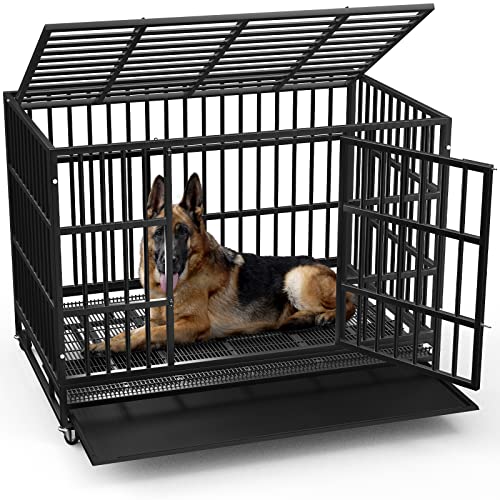
How Long to Crate a Puppy Daily? Hours by Age Guide
A complete schedule for crate training by age. Learn safe durations, daytime limits, and how to make the crate a happy place for your puppy.
Why Crate Training Matters
Crate training is one of the most important tools in raising a well-adjusted puppy. It provides them with a safe, secure space that mimics a natural den, helps with potty training, and prevents destructive behavior when you can't supervise them. However, many new puppy owners struggle with one key question: how long can my puppy stay in the crate?
The answer depends on several factors, including your puppy's age, breed, and individual bladder control. A general rule of thumb is that a puppy can hold their bladder for one hour for every month of age, plus one. For example, a 3-month-old puppy can typically hold it for about 4 hours. However, this is just a guideline—every puppy is different, and helping your puppy sleep in their crate takes patience.
Leaving a puppy in a crate for too long can lead to accidents, anxiety, and a negative association with the crate. It's crucial to understand the safe limits to ensure your puppy's physical and emotional well-being.
Crate Hours By Age Chart
The following chart provides a general guideline for how long a puppy can be crated during the day and at night. These times are based on average bladder capacity and should be adjusted based on your individual puppy's behavior.
| Puppy Age | Daytime Max Crate Time | Nighttime Max Crate Time | Key Notes |
|---|---|---|---|
| 8 Weeks | 1 – 2 hours | 2 – 3 hours | They need frequent bathroom breaks and can't be left alone long. |
| 10 Weeks | 2 – 3 hours | 3 – 4 hours | Bladder control is developing, but still very limited. |
| 12 Weeks | 3 – 4 hours | 4 – 5 hours | They are starting to get the hang of it, but don't push it. |
| 4 Months | 4 – 5 hours | 5 – 6 hours | Growing fast! They can hold it longer during the day. |
| 5 Months | 5 – 6 hours | 6 – 7 hours | Most puppies can sleep through the night at this age. |
| 6 Months & Older | Up to 8 hours | 8 – 9 hours | They have adult-level bladder control. Use your discretion. |
Important: These are maximum times. It's always better to let your puppy out sooner if they are awake or showing signs of needing to go. A puppy should never be crated for more than 8 hours during the day, even as an adult, without a break for exercise and interaction.
Golden Rules of Crate Time
Following these rules will make crate training a positive experience for you and your puppy:
- Never use the crate as a punishment. The crate should be a happy, safe space, not a prison. If your puppy feels punished in the crate, they will learn to hate it.
- Always provide a comfortable bed and water. A crate should be comfortable. A soft bed, appropriate for chewing, is essential. Water should be available for longer stays.
- Gradually increase crate time. Start with short periods (5-10 minutes) while you're home, and slowly build up to longer durations.
- Puppy needs a potty break immediately after coming out. The first thing you do when you open the crate door is take them outside to their designated potty spot.
- Keep the crate in a central location. During the day, the crate should be in a room where the family spends time. This helps the puppy feel included.
- Use a crate cover. Covering the crate can help create a den-like environment and signal that it's time to settle down and rest.
Nighttime Crate Training
Nighttime is often the biggest challenge for new puppy owners. The key to success is to be prepared for some sleepless nights and to set a consistent routine.
For the first few weeks, you should expect to get up at least once to let your puppy out to potty. A good schedule is to take them out right before you go to bed, then set an alarm for 3-4 hours later. This is especially important for young puppies under 12 weeks. Learn how to get your puppy to sleep through the night without peeing for more targeted advice.
Pro Tip: To help your puppy settle at night, try placing a t-shirt you've worn in the crate. Your scent will be comforting and help them feel safe. Also, consider a calming dog bed or pheromone diffuser to ease their anxiety.
Crating While You're At Work
This is a common dilemma: you need to work, but your puppy is too young to be left alone for a full 8-hour shift. The simple answer is that you cannot leave a young puppy in a crate for a full 8-hour workday. It's not fair to the puppy and will lead to accidents and crate anxiety.
Here are the best solutions for working puppy owners:
- Hire a dog walker or pet sitter. A professional can come to your home to let your puppy out for a potty break and a play session mid-day. This is one of the best investments you can make. Find out how to hire a reliable dog walker.
- Enroll in doggy daycare. For older puppies (4+ months), doggy daycare provides socialization and exercise while you are at work. It's a great way to tire them out for the evening. Learn about dog parks as an alternative.
- Come home for lunch. If you live close to work, a quick trip home to let your puppy out can be a lifesaver.
- Use a puppy playpen or gated area. Consider using a puppy playpen attached to the crate. This gives your puppy more room to move around, have a potty pad, and play with toys, making the long day more bearable. You can also use dog pads for this scenario.
- Use a doggy door. If you have a secure yard, a doggy door allows your puppy to let themselves out when they need to go.
Frequently Asked Questions
Ready to Start Crate Training?
Crate training is a journey, not a race. Patience and consistency are your greatest tools. By understanding your puppy's limits and providing a safe, comforting environment, you'll have a crate-trained, well-adjusted dog in no time. Start with short sessions, gradually increase the time, and always associate the crate with positive experiences.
If you need the right crate, bedding, or training tools, check out the recommended products below to make the process easier.