How to Get a Puppy to Not Cry in Crate
Stop the nightly cries and create a peaceful crate experience for your new puppy with these proven, step-by-step techniques.
Bringing a new puppy home is an exciting time, but it can quickly become stressful when the crying starts. Many new puppy owners struggle with crate training and often feel guilty hearing their puppy cry. The good news is that with the right approach, you can teach your puppy to love their crate and stop the crying.
This guide will walk you through everything from creating a positive environment to specific nighttime techniques. Whether you have an 8-week-old puppy or an older dog that is new to crate training, the principles remain the same. The goal is to make the crate a safe, comfortable, and happy space for your puppy. By following this guide, you'll be equipped to handle the crying and set your puppy up for success.
1. Understanding Why Puppies Cry in Crates
Before you can solve the problem, you need to understand the cause. Crying is a puppy's primary form of communication, and it's usually not about being "manipulative" or "bad." Here are the most common reasons a puppy cries in the crate:
- They Need to Potty: Young puppies have tiny bladders. They may need to go outside as often as every 2-3 hours. If they are crying, it's often the first sign that they need to relieve themselves.
- They Are Lonely and Scared: Your puppy has just been separated from their mother and littermates. They are in a brand new environment and they are alone. This is a very common and understandable cause of distress.
- They Want Attention: Puppies learn quickly. If crying gets them let out, pets, or playtime, they will use it to get what they want.
- They Aren't Used to the Crate: The crate is a new, enclosed space. It may feel like a trap to a puppy that hasn't been properly introduced to it.
- They Are Bored or Overstimulated: A lack of physical and mental exercise can lead to whining and crying. An overtired puppy, much like a toddler, may also have a "meltdown" in their crate.
Key Takeaway: Never punish your puppy for crying. It's their only way to tell you something is wrong. Punishing them can create fear and make crate training much harder.
Recognizing these triggers is the first step. The solution is to address the root cause: by providing a comfortable environment, establishing a routine, and meeting their needs, you can significantly reduce the crying.
2. Preparing the Crate Environment
Creating a positive environment is the foundation of successful crate training. If the crate is a scary, uncomfortable place, your puppy will naturally resist it. Here’s how to make it an inviting den:
- Choose the Right Crate Size: The crate should be big enough for your puppy to stand up, turn around, and lie down comfortably. But it should not be too large or they might use one corner as a potty area. Most crates come with a divider to adjust the size as they grow.
- Make It Comfortable: Add soft, washable bedding like a crate mat or an old t-shirt that smells like you. This helps soothe them with your scent.
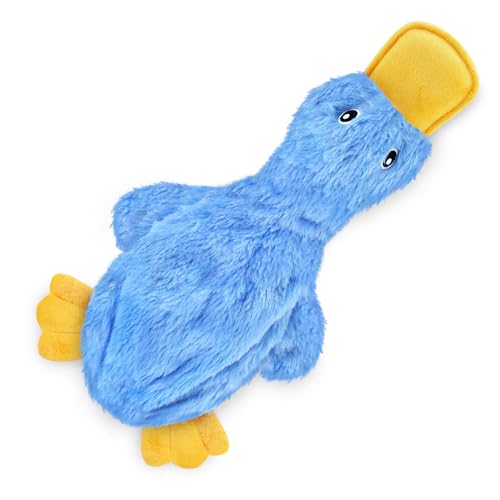
- Add Engaging Toys: Provide durable chew toys, like a chew toy or a stuffed Kong. This is especially important for a puppy who is teething. A long-lasting treat can keep them occupied and build a positive association.
- Position It Strategically: Place the crate in a room where you spend time during the day, like the living room. At night, it's often helpful to have the crate in your bedroom so the puppy can see and smell you.
- Keep it Clean: A dirty or smelly crate is uninviting. Regularly wash the bedding and clean the crate tray.
Making the crate a comfortable, safe, and engaging space is the first step. The more positive associations your puppy has with the crate, the less likely they are to cry. For more on choosing the right crate and supplies, you can explore our comprehensive dog products guide.
3. Step-by-Step Crate Training
Crate training is a process that shouldn't be rushed. The goal is to help your puppy see the crate as their safe haven. This takes time, patience, and consistency. Here is a step-by-step method to get your puppy to not cry in the crate:
- Create Positive Associations (Days 1-3): Start by leaving the crate door open and placing high-value treats, toys, and meals inside. Let your puppy wander in and out on their own. Don't force them. You want them to discover that the crate is a rewarding place.
- Practice Short Door-Closed Sessions (Days 3-5): Once they are happily going into the crate, begin closing the door for short periods while you are in the room. Start with just a few seconds and gradually extend the time. Reward them with a treat for being calm and quiet. Let them out before they start to cry.
- Extend the Duration (Days 5-7): Once they are comfortable with short periods, start practicing longer stays. You can stay in the room, but begin moving around. The key is to ensure they are calm. If they start to whine, you may have progressed too quickly. Go back a step and try again.
- Introduce Calm Departures: Next, put them in the crate with a long-lasting treat (like a frozen Kong), close the door, and walk out of the room for a few minutes. Come back calmly, don't make a fuss, and let them out if they are quiet. Gradually increase the time you are out of sight.
- Start Nighttime Training: By this point, your puppy should be comfortable in the crate. For the first few nights, place the crate in your bedroom. This helps them feel secure. The first few nights may involve some crying, but consistency is key.
Pro Tip: If your puppy has an accident in the crate, clean it thoroughly with an enzymatic cleaner to remove the smell. If they can smell old accidents, they may be more likely to have another one.
Remember, the key to training a puppy to not cry in the crate is to make the crate a place they *choose* to be. By using high-value rewards and taking it slow, you are building a lifetime of positive associations. If you're struggling with a specific issue like barking, check out this guide on how to get a puppy to not bark in crate.
4. Nighttime Crying Solutions
Nighttime is often the most challenging time for crate training. The house is quiet, the puppy is alone, and the crying can be ear-piercing. The frustration of a sleepless night can even make some owners consider giving up. But you can overcome this!
Establish a Consistent Nighttime Routine
A routine is critical for managing your puppy's sleep. A predictable schedule helps their body know when it's time to wind down. Here’s a sample routine to follow:
- Evening Playtime: About an hour before bed, have a good, active play session. This helps tire them out.
- Last Potty Break: Take them outside for a final potty break right before you go to bed. Be patient until they go. This is non-negotiable.
- No Water After 8 PM: Limiting water intake a couple of hours before bed can help reduce nighttime accidents.
- Use a Calming Aid: Consider using a calming product like a dog anxiety wrap or a pheromone diffuser near the crate to create a more relaxed environment.
What to Do When They Cry at Night
When your puppy cries at night, it can be tempting to go to them immediately. However, the approach you take will significantly influence their behavior. Here’s a standard strategy:
- Assess the Cry: Is it a needy, attention-seeking whine? Or an urgent, need-to-go-potty bark?
- If it's an "I need to go" cry: Take them outside. Do not play. Do not give treats. Keep it as boring as possible. When they are done, put them straight back in the crate. This teaches them that crying at night results in a potty break, not playtime.
- If it's an "I want attention" cry: Wait. If you are certain they have been fed and have just been out, you need to let them self-soothe. Many experts suggest waiting for a short lull in the crying before going to them. Going to them while they are actively crying teaches them that crying works.
This approach can be difficult, but it’s highly effective. For more specific strategies, you might find the guide on how to get your puppy to sleep in a crate helpful. If you're dealing with a very young puppy, you may need to be more flexible. For more information on the nighttime routine, you can also read how to get a puppy to stop crying at night.
5. Tools & Products to Help Your Puppy Settle
While training and routine are the most crucial elements, the right products can make the process significantly easier. These items can provide comfort, reduce anxiety, and keep your puppy entertained.
Below are some product categories that are highly recommended for crate training. These items can help distract your puppy, soothe their anxiety, and create a positive association with the crate.
6. Common Mistakes to Avoid
Even with the best intentions, it's easy to make mistakes during crate training. Avoiding these common pitfalls will speed up your success and make the process less stressful for you and your puppy.
- Using the Crate as Punishment: This is the most damaging mistake you can make. Your puppy should never associate the crate with being yelled at or put in "time-out." If they do, they will fight to stay out of it.
- Letting Them Out When They Cry: If your puppy is crying for attention and you let them out, they learn that crying works. Wait for a moment of silence before you open the crate door.
- Not Providing Enough Exercise: A bored, energetic puppy is much more likely to be destructive and vocal. Make sure your puppy is getting enough physical and mental stimulation before they go in the crate.
- Keeping Them in the Crate Too Long: A puppy's bladder capacity is roughly one hour per month of age. Do not leave a young puppy crated for longer than they can physically hold it.
- Skipping the Nighttime Potty Break: Many first-time owners are so eager for sleep that they skip the middle-of-the-night potty break. This almost always results in a messy crate and a longer training time.
By being mindful of these common mistakes, you'll be well on your way to a peaceful night. For more foundational tips, you can also read the guide on how to train a puppy not to cry at night.
Frequently Asked Questions
Your Puppy's New Haven Awaits
Getting a puppy to stop crying in the crate is a process that requires patience, consistency, and a lot of love. It's about building trust and teaching them that the crate is their safe, quiet den, not a prison. Remember, every puppy is different, so don't get discouraged if it takes longer than you expected. Celebrate the small victories—a quiet hour, a full night's sleep—and you'll get there.
By following the steps in this guide, you are giving your puppy the gift of security and independence. A well-crate-trained dog is a happy, relaxed dog, and you'll be able to enjoy a peaceful home for years to come.