How to Get My Puppy to Sleep in His Crate
Your complete guide to peaceful crate training at night. Learn step-by-step methods to help your puppy love his crate and sleep soundly through the night.
Bringing home a new puppy is an exciting time, but the first few nights can be challenging. One of the most common struggles new puppy parents face is getting their puppy to sleep in his crate through the night. A puppy that cries, whines, or refuses to settle in the crate can leave the entire household exhausted. But with the right approach, consistent training, and patience, you can teach your puppy to view his crate as a safe and comfortable den where he sleeps peacefully.
This comprehensive guide walks you through everything you need to know about how to get your puppy to sleep in his crate. We'll cover crate setup, step-by-step training techniques, nighttime routines, troubleshooting common issues, and answers to the most frequently asked questions about crate sleeping. By the end of this guide, you'll have the knowledge and confidence to help your puppy become a happy, well-rested crate sleeper.
Good to know: A well-crate-trained puppy sleeps better, feels more secure, and is less likely to develop separation anxiety or destructive behaviors. Crate training also makes housebreaking easier and keeps your puppy safe when you can't supervise him.
Why Crate Training Matters
Crate training is one of the most important skills you can teach your puppy. When done correctly, the crate becomes your puppy's safe space — a place where he can relax, sleep, and feel secure. It's not a punishment tool; it's a management tool that benefits both you and your puppy.
Dogs are naturally den animals. In the wild, they seek out small, enclosed spaces for safety and rest. A properly introduced crate taps into this natural instinct, providing your puppy with a sense of security and comfort. Puppies who are crate-trained tend to be more confident and less anxious overall.
Key Benefits of Crate Training
- Accelerates housebreaking: Puppies naturally avoid soiling their sleeping area. The crate uses this instinct to help your puppy learn bladder control faster.
- Prevents destructive behavior: When you can't supervise, the crate keeps your puppy away from electrical cords, toxic plants, and other household hazards.
- Reduces separation anxiety: A crate-trained puppy learns to be comfortable alone, which helps prevent separation anxiety later in life.
- Provides a safe travel space: A crate-trained puppy travels more calmly in cars, at the vet, and during visits to new places.
- Gives your puppy a personal space: Your puppy will have a place to retreat when he wants quiet time or feels overwhelmed.
What a Crate Is NOT
- Not a punishment: Never use the crate as a time-out or punishment. This destroys the positive association your puppy needs.
- Not a babysitter: Puppies should not be left in their crate for extended periods. They need regular breaks to potty, play, and socialize.
- Not a place for extended confinement: The general rule is one hour per month of age (up to a maximum of 4-6 hours for adult dogs).
Ideal Age to Start Crate Sleeping
The best time to start crate training is the day you bring your puppy home — typically around 8 weeks of age. Puppies at this age are highly adaptable and primed for learning. They haven't developed bad habits yet, making it the perfect time to establish positive crate associations.
Waiting until your puppy is older makes crate training more challenging because they've already learned to sleep in other places and may resist the change. That being said, it's never too late to crate train an adult dog — it just requires more patience and a slower approach.
| Puppy Age | Typical Crate Training Progress |
|---|---|
| 8-10 weeks | Introduction phase. Start with short sessions, build positive associations. Puppies at this age can typically hold it for 2-3 hours at night. |
| 10-12 weeks | Comfortable with crate. Most puppies start sleeping through the night (5-6 hours) with one potty break. |
| 12-16 weeks | Routine established. Puppy sleeps soundly through the night. Start phasing out nighttime potty breaks. |
| 4-6 months | Crate trained and reliable. Puppy sleeps 7-8 hours without needing to potty. Can be left for longer daytime periods. |
| 6+ months | Full adult bladder control. Crate is a comfortable, familiar space. Puppy no longer needs overnight potty breaks. |
Setting Up the Perfect Crate
The right crate setup makes a significant difference in how quickly your puppy accepts and enjoys being in his crate. A well-prepared crate is comfortable, inviting, and properly sized for your growing puppy.
Choosing the Right Crate Size
The crate should be large enough for your puppy to stand up, turn around, and lie down comfortably — but not so large that he can use one corner as a bathroom and sleep in another. For growing puppies, consider using a crate with a divider panel that allows you to adjust the space as your puppy grows.
Essential Crate Bedding
Comfortable bedding encourages your puppy to relax and sleep in the crate. Choose bedding that is:
- Washable: Accidents happen. Choose bedding that can be easily washed and dried.
- Chew-resistant: Some puppies are chewers. Durable bedding prevents ingestion of stuffing or materials.
- Comfortable: A soft, padded surface makes the crate inviting and cozy.
Pro Tip: Avoid soft, fluffy beds or blankets that can be chewed and ingested, especially for young puppies. A simple, durable crate pad is safer and easier to clean.
What to Put in Your Puppy's Crate at Night:
✅ A comfortable, washable crate pad or mat
✅ An old t-shirt with your scent (helps your puppy feel safe and connected to you)
✅ One safe, durable chew toy (like a hard rubber chew toy)
❌ Water bowl (remove 2-3 hours before bedtime)
❌ Pee pads inside the crate (this teaches your puppy it's okay to potty in his sleeping area)
❌ Multiple toys that could be a choking hazard or overstimulate your puppy
Crate Placement
Where you place the crate matters. For the first few nights, keep the crate in your bedroom so your puppy can hear and smell you. This provides comfort and reduces anxiety. Once your puppy is comfortable sleeping through the night, you can gradually move the crate to a different location if desired.
Step-by-Step Crate Training
Crate training doesn't happen overnight — it's a gradual process that builds positive associations. Follow these steps to help your puppy fall asleep in his crate happily and willingly.
- Introduce the crate as a positive place. Leave the crate open during the day. Toss treats inside, let your puppy explore freely, and reward any interest in the crate. Make the crate a fun, rewarding place before you ever close the door.
- Feed meals in the crate. Place your puppy's food bowl near the crate entrance, then gradually move it inside over a few days. Feeding in the crate creates a strong positive association.
- Practice short crate sessions while you're home. Close the door for a few seconds while your puppy is eating, then open it. Gradually increase the duration. Reward your puppy for remaining calm.
- Play crate games. Toss a treat inside and say "kennel" or "crate" as your puppy enters. Reward and release. Repeat multiple times daily to build a strong verbal cue.
- Practice with the door closed while you're present. Sit next to the crate, close the door, and give treats through the bars. Stay nearby and calm your puppy with your presence.
- Leave the room briefly. Once your puppy is comfortable, step out of sight for a few seconds. Return and reward calm behavior. Gradually increase your absence.
- First night in the crate. Put your puppy in the crate when he's tired, not overly excited. Use a quiet command like "go to bed." Leave the room and let your puppy settle. Expect some initial whimpering.
Realistic Timeline: Most puppies will be comfortable sleeping in their crate through the night within 2-4 weeks of consistent training. Some adapt in as little as one week, while others may take up to two months. Patience and consistency are the keys to success.
Nighttime Routine That Works
A consistent nighttime routine signals to your puppy that it's time to wind down and sleep. The same predictable sequence every night helps your puppy anticipate what's coming and settle more easily.
🌙 Your Puppy's Nighttime Routine
- 2-3 hours before: Remove food and water
- Last potty break: Take your puppy out to potty (wait until they actually go)
- Quiet time: 15-30 minutes of calm interaction (no rough play)
- Final potty trip: Right before crate time
- Crate time: Place puppy in crate with a treat, soft music or white noise helps
- Overnight: One or two potty breaks for young puppies (8-12 weeks)
☀️ Your Puppy's Morning Routine
- Wake up: Open the crate immediately
- Potty first: Take your puppy outside or to the potty pad
- Praise: Celebrate successful pottying with treats and affection
- Playtime: 15-20 minutes of active play
- Breakfast: Feed your puppy's first meal
Crate Games to Build Positive Association
Crate games are the foundation of successful crate training. Try these fun activities during the day:
- The Treat Toss: Toss a treat into the crate. When your puppy goes in, give a command like "crate" or "kennel," then reward. This teaches the verbal cue.
- The Closed Door Game: Close the door, give a treat, open it immediately. Slowly increase duration while giving treats periodically through the bars.
- The Peekaboo Game: Close the door, step out of sight for 1 second, return and reward. Gradually increase the time you're out of sight.
Handling Crying and Whining
It's normal for a puppy to cry, whine, or bark when first introduced to the crate. How you respond to this crying is critical to your success. Puppies are smart — they learn quickly what behavior gets them what they want.
Golden Rule of Crate Training: Never let your puppy out of the crate while he is actively crying, whining, or barking. This teaches him that crying works. Wait for even a one-second pause — then reward the calm behavior with release.
How to Respond to Different Types of Crying
- Attention-seeking crying: Puppy is whining because they want attention, not because they have a real need. Ignore this crying. Wait for a pause, then go to your puppy and release them calmly. Expect this to get louder before it gets better — this is called an extinction burst.
- Need to potty: If the crying is persistent, urgent, and accompanied by pacing, your puppy may genuinely need to eliminate. Take them out quietly and calmly. No play or praise — just potty, then back to the crate.
- Distress or discomfort: If your puppy is in genuine distress (hyperventilating, panicking, injuring themselves), intervene immediately. This is rare but can happen with extreme separation anxiety.
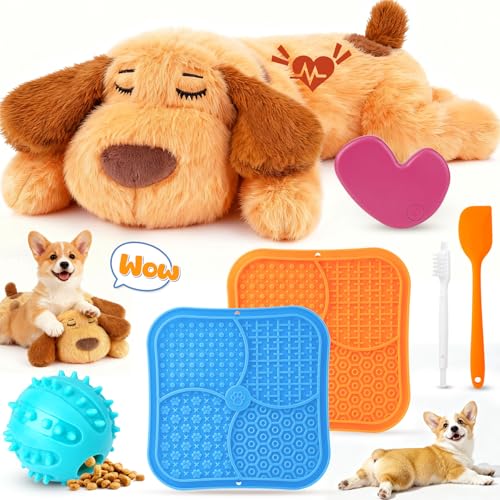
Pro Tip: Consider using a dog anxiety wrap or pheromone diffuser near the crate to help your puppy feel calmer and more secure.
Crate Training by Age
- 8-10 weeks: Expect the most crying. Frequent potty breaks are needed. Your goal is to make the crate a positive place while addressing genuine potty needs.
- 10-14 weeks: Puppy starts to understand that crate time = sleep time. Crying lessens but still happens. You can start waiting a little longer before responding to crying.
- 14-18 weeks: Most crying is now attention-seeking. Your puppy can hold it all night. Ignore attention-seeking crying consistently and reliably.
- 18+ weeks: Your puppy should be sleeping soundly through the night without crying.
Overnight Potty Schedule
Young puppies cannot hold their bladder all night. Understanding your puppy's physical limitations and following an appropriate overnight potty schedule is essential for successful crate sleeping.
Overnight Potty Break Guide
- 8-10 weeks: 2-3 potty breaks per night (every 2-3 hours)
- 10-12 weeks: 1-2 potty breaks per night (every 3-4 hours)
- 12-14 weeks: 1 potty break per night (4-5 hours after bedtime)
- 14-16 weeks: 0-1 potty break per night (most puppies can make it through the night)
- 16+ weeks: 0 potty breaks (sleep through the night)
Important: When you take your puppy out for an overnight potty break:
✅ Carry them (don't give them a chance to potty on the way out)
✅ Go to the designated potty spot
✅ Stand quietly and give a verbal cue (like "go potty")
✅ Reward calmly if they go, then immediately return to the crate
❌ No play, no training, no extended interaction — this is a business trip only
Related: If you're also working on daytime potty training, our guide on how to train a dog to pee and poop outside covers the complete process from start to finish.
Common Mistakes to Avoid
Even well-meaning puppy owners make mistakes that can derail crate training. Being aware of these common pitfalls can save you weeks of frustration.
❌ Letting Your Puppy Out While Crying
This is the number one mistake. When you open the crate door while your puppy is crying, you reinforce that crying works. Your puppy learns: "If I whine, the door opens." This can set crate training back for weeks.
❌ Using the Crate as Punishment
Never put your puppy in the crate as punishment or when you're angry. This creates negative associations and makes your puppy fear the crate. The crate should always be a positive, safe place.
❌ Leaving Your Puppy in the Crate Too Long
Young puppies cannot hold their bladder for extended periods. If you leave your puppy in the crate beyond their physical capacity, accidents will happen, and your puppy will learn it's okay to potty in the crate.
❌ Ignoring the Need for a Potty Break
Sometimes crying is genuine. If your puppy has been sleeping for 3+ hours and starts crying persistently, they may genuinely need to go. Respond to this need calmly and quickly.
❌ Making the Crate Too Large
If the crate is too large, your puppy can use one corner as a toilet and sleep in the other. This defeats the housebreaking benefits of crate training. Use a divider panel to adjust the size.
❌ Rushing the Process
Some puppies take longer than others to adjust to the crate. If your puppy is struggling, go back a step and move more slowly. Patience is essential for successful crate training.
Frequently Asked Questions
Ready to Get Started?
Crate training your puppy for sleeping through the night takes patience, consistency, and the right approach. The tools and products below can make the process significantly easier — from the right crate and comfortable bedding to calming aids that help your puppy settle more quickly. We've carefully selected the best dog crates, crate pads, puppy toys, and calming products to support your crate training journey.