
The Complete Husky Care Guide
Everything you need to know about owning and caring for a Siberian Husky — from their high-energy exercise needs and stubborn training personality to their thick double coat and unique health concerns.
The Siberian Husky is one of the most recognizable and beloved dog breeds in the world. With their striking wolf-like appearance, piercing blue eyes (or sometimes brown, or one of each), and energetic personalities, Huskies capture the hearts of millions. But owning a Husky is not for the faint of heart — this is a breed that demands an active lifestyle, patient training, and a serious commitment to grooming and containment.
Unlike many other breeds that live to please their owners, Huskies are independent thinkers with a strong prey drive and an innate desire to roam. They were bred for centuries by the Chukchi people of Siberia to pull sleds over vast distances in extreme cold, and those working instincts remain strong today. Understanding these instincts is the key to successfully caring for a Husky.
This guide walks you through every critical aspect of Husky care — from nutrition and exercise to training, grooming, health, and behavior — so you can provide your Husky with the fulfilling life they deserve. Whether you're a first-time Husky owner or looking to improve your care routine, the principles here apply.
Husky Breed Overview & Traits
Before diving into care specifics, it's important to understand what makes a Husky unique. These are not your average family dogs — they are athletic, intelligent, and often challenging working dogs that require experienced or dedicated owners.
Key Husky Characteristics
- Bred for endurance, not speed: Huskies were bred to pull light loads over long distances at a moderate pace, not to sprint. This means they have incredible stamina and need substantial daily exercise.
- Independent and stubborn: Unlike Labrador Retrievers or Golden Retrievers, Huskies were bred to make decisions independently in harsh conditions. They don't blindly follow commands — they evaluate whether it's worth their while.
- Strong prey drive: Small animals like squirrels, rabbits, and even cats may trigger their hunting instincts. Early socialization and training can help, but this instinct never fully disappears.
- Escape artists: Huskies are notorious for digging under fences, jumping over walls, and slipping out of collars. A secure, high fence with buried wire is essential.
- Vocal communicators: Huskies are known for their "talking" — a mix of howls, whines, and woo-woo sounds. They are not typically excessive barkers but can be noisy when bored or excited.
- Sociable pack animals: Huskies generally do well with other dogs but may have a high prey drive toward smaller pets. They are not typically guard dogs and are friendly with strangers.
Is a Husky Right for You?
Huskies are best suited for active individuals or families with previous dog experience, a securely fenced yard, and the time to commit to daily vigorous exercise and training. They are not ideal for apartment living (unless you're committed to multiple daily runs), first-time dog owners, or households with small pets. If you're considering a Husky, be honest about your lifestyle — this breed will test your patience and your fences.
Husky Nutrition & Feeding
Huskies are remarkably efficient eaters. They were bred to survive on relatively little food while pulling heavy loads, and this metabolic efficiency means they often need less food than other breeds of similar size. Overfeeding a Husky is a common mistake that leads to obesity and related health problems.
What to Look For in Husky Food
- High-quality animal protein first: Look for named meat sources like chicken, turkey, fish, or beef as the first ingredient. Huskies thrive on protein-rich diets that support their muscle mass and energy needs.
- Moderate fat content: Husky food should contain roughly 12-18% fat. Too much fat can lead to weight gain and digestive upset, especially in less active Huskies.
- AAFCO complete and balanced: Ensure the food meets AAFCO standards for your dog's life stage. This guarantees the food provides all essential nutrients.
- Life-stage appropriate: Puppies need puppy-specific food with higher protein and calories for growth. Adults need maintenance formulas. Seniors benefit from lower-calorie, joint-supporting formulas.
- Consider grain-free if allergies exist: Some Huskies do well on grain-free formulas, but this should be discussed with your veterinarian. Grain-free is not inherently better for all dogs.
How Much to Feed Your Husky
Huskies typically need 1.5 to 2.5 cups of high-quality dry food per day, split into two meals. However, this varies based on age, activity level, metabolism, and the calorie density of the food. The best approach is to:
- Start with the bag recommendation: Use the feeding guide on the food packaging as a starting point, not a strict rule.
- Assess body condition weekly: You should be able to feel (but not see) your Husky's ribs. They should have a visible waist when viewed from above and a slight belly tuck from the side.
- Adjust based on activity: A Husky who runs 5 miles daily needs more food than one who walks around the block. Working sled dogs may need double the calories of pet Huskies.
- Monitor weight: Weigh your Husky monthly. Sudden weight changes warrant a vet visit. Obesity is a growing problem in Huskies and exacerbates joint issues.
Husky Feeding Tip: Many Huskies are picky eaters or will skip meals. This is often normal for the breed, not a sign of illness. However, if your Husky refuses food for more than 24 hours or shows other symptoms like lethargy or vomiting, consult your veterinarian. Avoid free-feeding — scheduled meals help you monitor intake and prevent obesity. Also, never feed your Husky before or immediately after intense exercise to reduce the risk of bloat (gastric dilatation-volvulus), though this risk is lower in Huskies than in deep-chested breeds.
Exercise & Activity Needs
Exercise is non-negotiable for a Husky. These dogs were bred to run for hours, and without adequate physical and mental stimulation, they will become destructive, anxious, and difficult to manage. A tired Husky is a good Husky — but tiring one out is easier said than done.
Daily Exercise Requirements
Adult Huskies need a minimum of 1 to 2 hours of vigorous exercise daily. This is not a casual stroll around the block — we're talking about activities that genuinely tire them out:
- Running or jogging: Huskies make excellent running partners and can easily keep up with a human runner for 5-10 miles. Build up distance gradually and avoid running on hot pavement.
- Hiking: Huskies excel on trails and love exploring new scents and terrain. A 2-hour hike can satisfy their daily needs better than multiple short walks.
- Off-leash play in secure areas: If you have access to a safely fenced area, let your Husky run at full speed. Dog parks can work but be cautious — Huskies may not always read other dogs' signals well.
- Sledding or pulling sports: If you're adventurous, Huskies can participate in canicross, skijoring, or bikejoring — sports where they pull you while you run, ski, or bike. This taps into their natural instincts.
- Mental stimulation: Puzzle feeders, scent games, and training sessions provide mental exercise that tires Huskies almost as much as physical activity. 15 minutes of mental work can be equivalent to 30 minutes of walking.
Exercise by Age
- Puppies (under 12 months): Growing Huskies need exercise but not excessive high-impact activity to protect developing joints. Follow the "five-minute rule" — five minutes of structured exercise per month of age, twice daily. Avoid long runs on hard surfaces until growth plates close.
- Adults (1-7 years): This is peak energy. Huskies in this age range need the most exercise — 1-2 hours daily minimum, ideally more.
- Seniors (7+ years): Exercise needs decrease somewhat but should not stop. Shorter, more frequent walks and low-impact activities like swimming help maintain mobility and muscle mass.
Warning Signs Your Husky Needs More Exercise:
• Destructive chewing (furniture, shoes, walls)
• Digging holes in the yard
• Excessive howling or whining
• Pacing, inability to settle
• Escaping attempts
• Weight gain despite normal feeding
If you see these signs, your Husky needs more physical and mental stimulation — not more confinement or punishment.
Training a Husky
Training a Husky is often described as "herding cats" — and that's not far off. Huskies are highly intelligent but fiercely independent. They were bred to make their own decisions in harsh environments, not to follow human commands unquestioningly. This doesn't mean they can't be trained — they absolutely can — but it requires a different approach than training a Golden Retriever.
The Husky Training Mindset
- They don't work for free: Huskies are not eager-to-please. They need a compelling reason to do what you ask — usually a high-value treat, a favorite toy, or access to something they want. Praise alone rarely motivates a Husky.
- Consistency is critical: Huskies are experts at finding loopholes. If jumping on the couch is allowed on Tuesday but not Wednesday, they will exploit that inconsistency. Every family member must enforce the same rules.
- Keep sessions short and engaging: Huskies bore quickly. Training sessions should last 5-15 minutes and always end on a positive note. Multiple short sessions per day are far more effective than one long one.
- Prevent escape: A Husky who escapes is not being "disobedient" — they're following their instinct to explore. A reliable recall in a Husky is difficult to achieve and even the best-trained Husky should never be off-leash in unfenced areas.
Essential Commands for Huskies
- Come (Recall): The most important safety command, and the most challenging to teach a Husky. Practice in low-distraction environments first, use high-value rewards (real meat, cheese), and never punish a Husky for coming to you — even if they took forever. Leash training pairs well with recall work.
- Sit: Foundation behavior. Teach by luring a treat from nose to above the head. Reward when the bottom hits the ground.
- Stay: Builds impulse control. Start with 1 second and gradually increase distance and duration. Essential for vet visits and grooming.
- Leave it: Prevents your Husky from eating dangerous items or chasing small animals. Start with low-value items and build up to high-value distractions.
- Drop it: Gets your Husky to release items from their mouth. Essential for safety if they pick up something dangerous. Never chase or pry — always trade for something better.
- Loose-leash walking: Makes walks enjoyable for both of you. Stop when the leash is tight, reward when it's loose. Use a front-clip harness as a training tool for strong pullers.
Husky Training Reality Check: A Husky may never have the rock-solid recall of a Border Collie — and that's okay. Focus on management strategies like secure fences, long lines, and GPS trackers rather than expecting perfection. Training a Husky is about building cooperation, not blind obedience. If you're struggling, consider working with a professional trainer who has experience with independent breeds. Learn more about positive behavior modification for stubborn dogs.
Health Care & Prevention
Huskies are generally a healthy breed, but they have several genetic conditions that responsible owners should be aware of. Preventive care and regular veterinary visits are essential for catching problems early when they're most treatable.
Common Husky Health Issues
- Hip dysplasia: A genetic condition where the hip joint doesn't form properly, leading to arthritis and pain. Responsible breeders screen breeding stock for hip dysplasia. Keeping your Husky at a healthy weight reduces stress on joints.
- Eye problems: Huskies are prone to several eye conditions including cataracts, corneal dystrophy, progressive retinal atrophy (PRA), and glaucoma. Regular eye exams are important, especially as your Husky ages.
- Hypothyroidism: An underactive thyroid gland causes weight gain, lethargy, and skin problems. Easily managed with daily medication once diagnosed through blood tests.
- Zinc-responsive dermatosis: A skin condition caused by an inability to absorb zinc properly. Signs include crusty, scaly skin, especially around the face and paws. Treated with zinc supplementation.
- Epilepsy: Huskies have a higher incidence of idiopathic epilepsy than many breeds. Seizures can usually be managed with medication.
- Bloat (GDV): Less common in Huskies than in deep-chested breeds like Great Danes, but still a risk. Feed smaller meals more frequently, avoid vigorous exercise right after eating, and know the signs of bloat (distended abdomen, unproductive retching, restlessness).
Preventive Care for Huskies
- Annual wellness exams: Even healthy Huskies should see the vet yearly for a physical exam, weight check, and vaccination updates. Senior Huskies (7+) benefit from twice-yearly visits with bloodwork.
- Vaccinations: Core vaccines include rabies, distemper, parvovirus, adenovirus, and parainfluenza. Your vet may also recommend non-core vaccines based on your location and lifestyle (e.g., Bordetella for dogs who frequent dog parks or boarding facilities).
- Parasite prevention: Year-round flea, tick, and heartworm prevention is essential. Huskies are active outdoors and at risk of parasite exposure.
- Dental care: Brush your Husky's teeth regularly and consider professional cleanings as recommended by your vet. Dental disease is one of the most common health problems in dogs and can affect overall health.
When to See a Vet Immediately:
• Difficulty breathing or persistent coughing
• Seizures or collapse
• Loss of appetite lasting more than 24 hours
• Vomiting or diarrhea that doesn't resolve within 24 hours
• Signs of pain (limping, reluctance to move, crying out)
• Eye redness, cloudiness, or squinting
• Heatstroke symptoms (heavy panting, drooling, weakness, confusion) — Huskies are susceptible in hot weather
Grooming & Coat Care
Huskies have a dense, double coat that protects them from both extreme cold and heat. This coat is beautiful but high-maintenance — especially during seasonal shedding periods known as "coat blows."
The Husky Double Coat
A Husky's coat consists of two layers: a soft, dense undercoat that provides insulation and a longer, coarser topcoat that repels dirt and moisture. This coat should never be shaved — shaving a Husky damages the coat's ability to regulate temperature and can lead to sunburn and skin problems. The coat will grow back, but it may never return to its original texture and function.
Brushing Your Husky
- Regular brushing: Brush your Husky 2-3 times per week with a slicker brush and an undercoat rake. This removes loose hair, prevents mats, and distributes natural oils for a healthy coat.
- Shedding season: Huskies "blow coat" twice yearly — typically in spring (losing winter coat) and fall (shedding summer coat). During these periods (lasting 2-3 weeks), daily brushing is necessary. Use an undercoat rake or deshedding tool to remove the loose undercoat.
- What to expect: During a coat blow, you may wonder if your Husky is dying. They are not — they are simply losing massive amounts of fur. Tufts of hair will come out in handfuls. This is normal. Brush daily, vacuum frequently, and be patient.
Bathing and Hygiene
- Bathing frequency: Bathe your Husky every 2-3 months, or when they get genuinely dirty. Over-bathing strips natural oils and can cause dry, itchy skin. Use a dog-specific shampoo formulated for double-coated breeds.
- Ear cleaning: Check and clean ears weekly. Huskies' erect ears are less prone to infection than floppy-eared breeds, but regular checks are still important.
- Nail trimming: Trim nails every 2-4 weeks. Long nails can cause gait problems and joint stress. If you hear clicking on hard floors, the nails are too long.
- Dental care: Brush your Husky's teeth daily if possible, or at minimum 3 times per week. Use dog-specific toothpaste and a dog toothbrush.
Grooming Tool Essentials: A slicker brush for general brushing, an undercoat rake for removing loose undercoat, a deshedding tool for coat blow season, dog-specific shampoo, nail clippers, and a dog toothbrush and toothpaste. Consider a high-velocity dog dryer for bath time — it helps blow out loose fur and dry the thick coat quickly.
Understanding Husky Behavior
Huskies have distinct behavioral traits that are rooted in their breeding as sled dogs. Understanding these traits helps you anticipate and manage their behavior — and appreciate their unique personalities.
Common Husky Behaviors
- Howling and "talking": Huskies are vocal dogs. They howl, whine, and make a distinctive "woo-woo" sound to communicate. This is normal and endearing to Husky lovers but can be a problem in apartments or neighborhoods with noise restrictions.
- Digging: Digging is an instinct passed down from their ancestors, who dug dens in the snow for warmth. Provide a designated digging area (a sandbox works well) and reward your Husky for using it instead of your garden.
- Escape artistry: Huskies are masters of escape. They dig under fences, jump over walls, and slip out of collars. A secure 6-foot fence with buried wire is essential. Many Husky owners use GPS trackers on their dogs as a backup safety measure.
- Prey drive: Small animals — squirrels, rabbits, cats, even small dogs — can trigger a Husky's prey drive. Early socialization and training can help, but this instinct is powerful and never fully disappears. Always keep your Husky on a leash in unfenced areas.
- Independent nature: Huskies are not clingy Velcro dogs. They are affectionate on their own terms and often prefer to be near you rather than on top of you. This independence is part of their charm but can frustrate owners expecting constant affection.
Husky Body Language
Huskies communicate primarily through body language. Learning to read these signals helps prevent problems and strengthens your bond:
- Relaxed: Loose posture, soft eyes, tail held in a natural curve. This is a happy, comfortable Husky.
- Alert: Ears perked forward, head tilted, body still. Your Husky is investigating something interesting — possibly a potential chase target.
- Anxious or stressed: Ears pinned back, tail tucked, lip licking, yawning (when not tired). This Husky needs reassurance or space.
- Over-aroused: Stiff body, intense stare, high tail carriage, raised hackles. This Husky may be about to bolt or react. Redirect their attention and increase distance from the trigger.
Recommended Products for Huskies
The right gear makes a huge difference in managing a Husky's energy, grooming needs, and safety. Here are the products we recommend for Husky owners:
Best Products for Husky Care & Training
⚠️ AFFILIATE DISCLOSURE: This website contains affiliate links. As an Amazon Associate, we earn from qualifying purchases. If you make a purchase through these links, we may receive a small commission at no additional cost to you. Read our full affiliate policy.

Husky Folding Lock-Back Utility Knife
Check price on Amazon
Husky Folding Sure-Grip Lock Back Utility Knife w/ Single Disposable Blade Included (Colors May Vary)
Check price on Amazon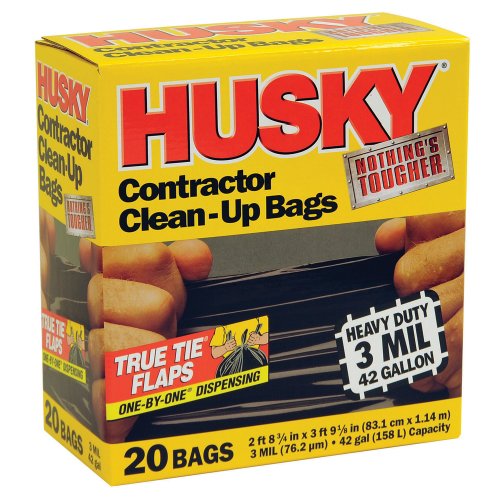
Husky HK42WC020B 42-Gallon Polyethylene Resin Contractor Clean-Up Bags, 20 Count, 2 ft 8.75in L x 3 ft 9.13 in W x 3 mil T, Black
Check price on Amazon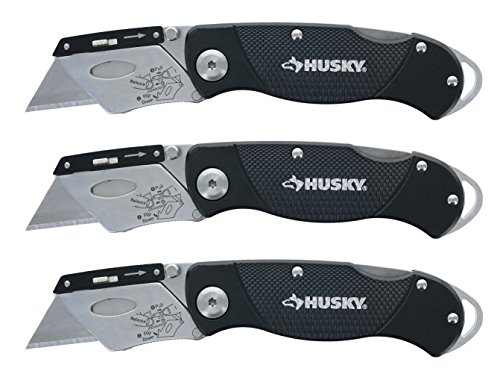
Husky Folding Sure-Grip Lock Back Utility Knives Multi Pack (3 Piece Set: 3 x Husky Knives w/ Blades) (Colors Vary)
Check price on Amazon
Wild Republic Pocketkins Husky Stuffed Animal - 5"
Check price on Amazon
Libfx Diamond Art Kits for Kids with Frame Diamond Art for Girls Boys Beginners Arts and Crafts Birthday Gifts (Husky)
Check price on Amazon
Douglas Sasha Husky Dog Plush Stuffed Animal
Check price on Amazon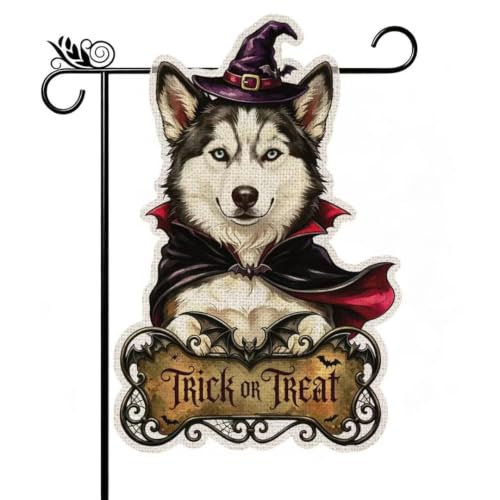
Halloween Husky Decor Outdoor - Husky Halloween Dog Decor Double Sided Garden Flag Outside Vertical Autumn Holiday Welcome Yard Decoration Lawn Outdoor Decor
Check price on AmazonHusky Product Categories to Prioritize
- Secure containment: A sturdy harness with a front-clip option for strong pullers, a long line for safe outdoor training, and a GPS tracker for escape prevention.
- Grooming tools: An undercoat rake, deshedding tool, slicker brush, and high-velocity dryer are essentials for managing the Husky coat.
- Mental stimulation: Puzzle toys, snuffle mats, and durable chew toys keep Huskies occupied and reduce destructive behavior.
- Exercise gear: A hands-free running leash, a dog backpack for weighted hikes, and a cooling vest for hot weather activities.
- Safety: A well-fitting collar with ID tags, a microchip (implanted by your vet), and a car harness for safe travel.
Frequently Asked Questions About Huskies
Ready for Husky Parenthood?
Owning a Husky is a commitment unlike any other. These dogs will challenge you, test your fences, cover your home in fur, and steal your heart. In return, they offer loyalty, adventure, and a partnership built on mutual respect. Start with the essentials: secure containment, vigorous daily exercise, consistent positive training, and a high-quality diet. Add grooming, mental stimulation, and regular vet care as you build your routine. If you're bringing home a Husky puppy, check our puppy guide and apartment potty training tips to prepare. The fact that you're reading this guide means you're already on the right track — informed owners make the best Husky parents.