Dog Throwing Up? Should I Feed Him?
Expert guidance on fasting, bland diets, and when to call the vet. Your step-by-step plan for handling a vomiting dog.
Seeing your dog throw up is stressful and worrying. Your first instinct might be to comfort them with food or water, but that can actually make things worse. Knowing exactly what to do—and what not to do—can help your dog recover faster and prevent serious complications.
Immediate Steps: What to Do First
When your dog starts vomiting, stay calm and follow these steps to ensure their safety and comfort. Acting methodically can help you determine the severity of the situation.
1. Remove Food & Offer Water Carefully
Withhold all food for 12-24 hours to let the stomach rest. Offer small amounts of water—a few ice cubes or 1-2 tablespoons every 30 minutes—to prevent dehydration without overloading the stomach. If your dog vomits water, stop giving it and consult a vet.
2. Monitor Closely
Watch for additional symptoms like diarrhea, lethargy, weakness, or signs of abdominal pain (whining, restlessness, or a hunched posture). Note the frequency and appearance of the vomit. If vomiting persists for more than 2-4 hours or contains blood, call your vet immediately.
3. Check for Toxins & Hazards
Think about what your dog may have eaten recently. Common culprits include table scraps, garbage, toxic plants, or household chemicals. If you suspect poisoning, contact a pet poison hotline or your vet right away.
To Feed or Not to Feed: The Golden Rule
The short answer is no, not right away. Feeding a dog that has just vomited can cause further irritation and prolong the upset. Here’s the general rule:
- Fasting period: Withhold food for 12-24 hours. This gives the gastrointestinal tract a break and allows inflammation to subside.
- Water: Always provide access to fresh water, but in small, controlled amounts to prevent gulping.
- After fasting: If vomiting has stopped and your dog is alert, introduce a bland diet in tiny portions.
- When to break the rule: Puppies, senior dogs, or dogs with underlying conditions (like diabetes or kidney disease) may not tolerate fasting. Always consult your vet before withholding food from these dogs.
⚠️ When to Skip Fasting: If your dog is very young (under 12 weeks), very old, has a chronic illness, or is already weak, fasting can be dangerous. These dogs need veterinary care immediately—do not wait to see if they get better.
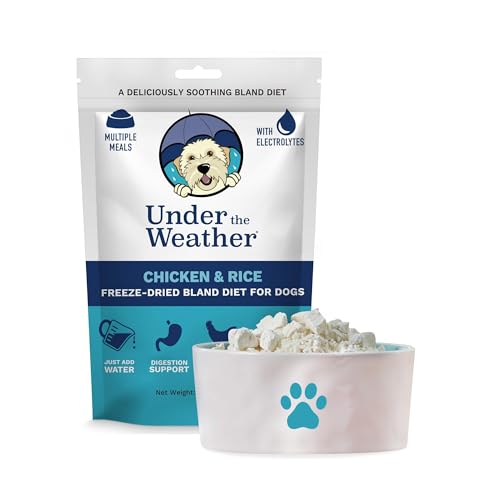
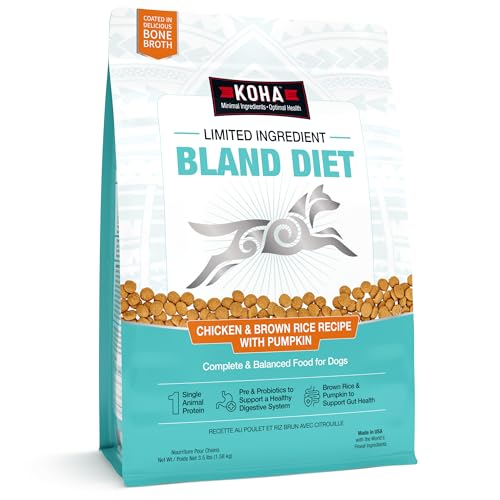
The Bland Diet: What to Feed After Fasting
After the fasting period, reintroduce food gently with a bland diet that is easy to digest. This helps the stomach settle without triggering another episode.
Best Bland Foods for a Vomiting Dog
| Food | Preparation | Notes |
|---|---|---|
| Plain Boiled Chicken | Boneless, skinless chicken breast boiled in water. Shred or chop finely. | High-quality protein, low fat. |
| White Rice | Well-cooked plain white rice (not brown). | Easy to digest and binds stool. |
| Pumpkin (Pure) | 100% pure canned pumpkin (not pie filling). | Excellent source of fiber, soothes the stomach. |
| Boiled Potato (without skin) | Boiled until soft, mashed. | Good carbohydrate source. |
| Plain Cottage Cheese | Low-fat, plain cottage cheese. | Alternative protein source for dogs that tolerate dairy. |
Pro Tip: Start with a 50/50 mixture of boiled chicken and rice. Offer a tablespoon or two every 2-3 hours. If your dog keeps it down, gradually increase the portion size over the next 24 hours.
When to Call the Vet (Red Flags)
While many vomiting episodes resolve on their own, some situations require immediate veterinary care. Don't wait if you observe any of the following warning signs:
🚨 Urgent Symptoms
- Vomiting that lasts more than 4 hours
- Blood in vomit (bright red or coffee-ground appearance)
- Lethargy, weakness, or collapse
- Pale or yellow gums
- Severe abdominal pain (panting, whining, rigid posture)
- Bloat or distended abdomen
- Known ingestion of toxins
🐾 High-Risk Dogs
- Puppies under 6 months old
- Senior dogs (over 8 years)
- Dogs with diabetes, kidney, or liver disease
- Small breeds prone to hypoglycemia
- Dogs on long-term medications
Remember: You know your dog best. If something feels wrong, trust your instincts. A quick call to your vet or an emergency clinic can save your dog's life and give you peace of mind.
Preventing Future Vomiting Episodes
Once your dog is feeling better, you can take proactive steps to reduce the risk of future upset stomachs. Consistency and awareness are key.
- Slow Feeding: Use a slow-feeder bowl or puzzle toys to prevent gulping, which can lead to vomiting.
- Diet Consistency: Avoid sudden changes in food. When switching, transition gradually over 7-10 days.
- Limit Table Scraps: Human food—especially fatty or spicy items—is a common cause of vomiting. Stick to dog-safe treats in moderation.
- Supervise Outdoors: Prevent your dog from eating grass, garbage, or foreign objects during walks and playtime.
- Regular Vet Checkups: Routine wellness exams help catch underlying health issues before they become acute problems.
Frequently Asked Questions
Shaking or trembling combined with vomiting can indicate pain, fever, or toxin exposure. This is a red flag. Do not feed your dog; immediately contact your veterinarian or an emergency clinic for advice. Keep your dog warm and calm while you seek help.
Bile (yellow fluid) often indicates an empty stomach. If your dog is otherwise bright and acting normally, you can offer a small bland meal after a 12-hour fast. If the vomiting recurs or your dog seems off, consult your vet. This could also be a sign of a more serious issue.
For healthy adult dogs, a 12-24 hour fast is generally safe and effective. Puppies, seniors, and dogs with health conditions should not be fasted without veterinary approval. Always ensure water is available during the fast.
After the fasting period, a bland diet of boiled chicken and white rice is the safest option. Pumpkin puree can also help soothe the stomach. Avoid giving over-the-counter human medications unless specifically recommended by your vet. For more guidance, read about safe home care for sick dogs.
Is your dog still unwell? Don't take chances with your pup's health. Get the right supplies and support to help them recover.
Explore Recommended Dog Care ProductsRemember: Every dog is different. What works for one dog may not work for another. Always consider your dog's unique history and consult your vet before making any major dietary changes.