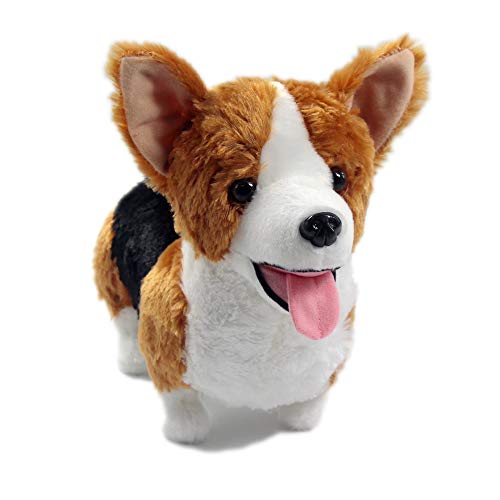
Long Haired Pembroke Welsh Corgi Puppies for Sale
Everything you need to know before buying a fluffy Corgi puppy: what the long coat really means, how to spot a responsible breeder, grooming realities, and the health questions that matter.
Searching for long haired Pembroke Welsh Corgi puppies for sale puts you in a very specific corner of the dog world. You already know you want a Corgi. You may even know you prefer the softer, fluffier look. What you likely need now is clarity: is a fluffy Corgi healthy, what should you ask a breeder, and how do you avoid paying a premium for a puppy that came from a questionable source? This guide answers those questions directly, without sales pressure and without inflated claims.
The short answer is that a long haired Corgi is a purebred Pembroke with a recessive coat variation—not a designer mix, not a “rare” sub-breed, and not inherently more valuable than a standard-coated littermate [citation:2][citation:6]. The longer answer involves genetics, grooming commitment, and breeder transparency. That is what this page covers.
What Makes a Corgi “Fluffy”
The fluffy coat comes from a recessive gene, often called the FGF5 “fluff” gene. A puppy must inherit two copies of the gene—one from each parent—to be long-haired. Two short-coated parents that both carry the gene can produce fluffy puppies, which is why fluffies sometimes appear unexpectedly in a litter [citation:2][citation:14].
Aside from coat length, a long haired Pembroke is the same dog as its standard-coated sibling: 10 to 12 inches at the shoulder, typically 24 to 30 pounds, with the same herding instincts, intelligence, and big-dog bark the breed is known for [citation:3][citation:6]. The fluffy coat is considered a fault in conformation showing, which is why fluffies are usually placed as pets rather than show prospects. That is a show-ring technicality, not a health or quality judgment [citation:2].
Important distinction: “Fluffy” is not the same as “long-haired” in the sense of a different breed. It is a coat variant within the Pembroke Welsh Corgi. If a seller describes a fluffy Corgi as a “rare designer breed” or prices it dramatically above littermates solely because of coat length, treat that as a red flag.
What a Fluffy Corgi Is Not
- Not a separate breed. It is a purebred Pembroke Welsh Corgi with a longer coat.
- Not automatically healthier or more fragile. The coat gene itself is not linked to additional health problems, though the longer coat requires more grooming attention [citation:2].
- Not a guaranteed “show quality” dog. The fluffy coat is a disqualifying fault in the conformation ring.
- Not hypoallergenic. Corgis shed, fluffy or not, and the longer coat traps debris and loose hair more readily [citation:14].
How to Vet a Corgi Breeder
This is the section that matters most. The difference between a healthy, well-socialized fluffy Corgi and a heartbreak waiting to happen is almost always the breeder. Responsible breeders do not just sell puppies; they place them, and they remain a resource for the dog’s entire life [citation:1].
Health Testing You Should Confirm
Pembroke breeders should screen breeding stock for the conditions that matter in the breed. Ask for documentation, not verbal assurances:
- Hip and elbow evaluations through OFA or PennHIP.
- Eye examinations by a veterinary ophthalmologist, often registered with CERF or OFA.
- von Willebrand’s disease genetic testing, a bleeding disorder seen in the breed.
- Cardiac screening where applicable, and degenerative myelopathy testing in lines where it is a concern [citation:1][citation:3].
If a breeder cannot or will not show you health clearances for the sire and dam, that is your answer. Walk away. You can learn more about what separates a careful breeder from a risky one in our guide to finding a reputable dog breeder and the questions you should ask before placing a deposit.
The Right Questions to Ask
- “Can I meet the dam, and see where the puppies are raised?” A breeder who keeps puppies in a clean, enriched home environment and welcomes a visit is showing you their standards. Avoid any breeder who insists on meeting in a parking lot or refuses to show the mother [citation:1].
- “What health tests have the parents had, and can I see the results?” Responsible breeders test and document. They should also be able to speak to the health history of grandparents [citation:1].
- “Why are you placing this puppy as a pet rather than show?” For a fluffy Corgi, the answer should be straightforward: coat length is a fault in the ring. If the breeder seems evasive or frames the fluffy coat as a premium feature, be cautious.
- “What does your contract include?” Expect a written contract with a health guarantee, a spay/neuter requirement for pet puppies, and a first-right-of-return clause. A breeder who does not care whether the puppy is altered or bred is not protecting the breed .
- “How old will the puppy be when it leaves?” The Pembroke Welsh Corgi Club of America recommends no earlier than 10 weeks, and many responsible breeders wait until 12 weeks. This is not about withholding the puppy; it is about social development with the dam and littermates [citation:1].
Breeder red flags: Multiple litters available at all times, no health testing on the parents, puppies available before 8 weeks, no contract or a contract with vague guarantees, pressure to pay a deposit before you have seen the dam or the facility, and any claim that a fluffy coat makes the puppy “rare” and therefore worth a significant premium.
Puppy Buying Checklist
Before you commit to a long haired Pembroke puppy, run through this checklist. It is shorter than it looks, but each item exists because skipping it is how people end up with a sick puppy or a breeder who disappears after the sale.
- AKC or equivalent registration papers for the puppy, and registration information for both parents. Limited registration is normal and expected for pet fluffies [citation:1].
- A written health guarantee that covers genetic conditions for a defined period, and a clear explanation of what happens if a problem arises.
- Vaccination and deworming records that match the puppy’s age. A 10-week-old puppy should have started its vaccine series and be current on deworming.
- A contract that requires spay or neuter for pet puppies. This is standard practice among ethical breeders and protects against careless breeding later .
- A feeding schedule and food sample so you can transition the puppy gradually rather than abruptly changing its diet.
- Proof that the breeder will take the dog back if your circumstances change. A breeder who says “once you buy it, it is yours” is not a lifetime resource [citation:1].
If you are also comparing Corgis against other long-haired herding breeds or want to understand how coat variation appears in other breeds, our broader dog breed guides can help you put the fluffy Corgi in context. For puppy-proofing before the dog comes home, see our puppy-proofing guide.
Grooming a Long-Haired Corgi
Here is the honest trade-off of the fluffy coat: you get the softer look, and you take on a more demanding grooming routine. A long haired Corgi will mat, tangle, and trap debris far more easily than a standard-coated Pembroke. This is not optional maintenance; it is part of owning the dog you are choosing.
The Realistic Grooming Schedule
- Brushing several times per week. Use a slicker brush and a metal comb. Pay attention to the areas where fluffies mat most: behind the ears, under the chest, behind the front legs, and around the hindquarters. A quick surface brush is not enough; you need to reach the undercoat [citation:2].
- Bathing every four to six weeks. Use a dog-specific shampoo and conditioner. The longer coat holds dirt and moisture, and a clean coat is easier to brush through. Dry thoroughly, especially in cooler weather.
- Regular nail trims and ear checks. Corgis are low to the ground and their nails can hit the floor before you notice they are long. Weekly ear checks catch irritation early, especially in floppy-eared dogs [citation:3].
- Professional grooming twice a year. A groomer can trim around the paws and ears, check for skin problems hiding under the coat, and handle the heavy seasonal shed more efficiently than most owners can at home [citation:10].
If you are unsure which tools are worth buying, our guides to dog brushes and dog shampoo cover the basics without pushing unnecessary products. The key point is consistency: a fluffy Corgi that is brushed regularly is a manageable dog; one that is brushed occasionally becomes a matted, uncomfortable dog.
Health & Lifespan
The Pembroke Welsh Corgi is generally a healthy, long-lived breed, with a typical lifespan of 12 to 15 years [citation:6][citation:19]. The fluffy coat does not change that baseline. What does affect health is the same thing that affects every Corgi: weight management and spinal care.
Corgis are long-backed, short-legged dogs, which puts them at higher risk for intervertebral disc disease. Keeping your dog at a lean, healthy weight is the single most effective way to reduce stress on the spine and joints [citation:7]. A fluffy Corgi can make weight assessment harder because the coat disguises body condition, so you need to feel for the ribs and check the waistline rather than relying on appearance alone.
Other health considerations in the breed include hip dysplasia, eye conditions such as progressive retinal atrophy and cataracts, von Willebrand’s disease, and degenerative myelopathy [citation:3][citation:7]. This is exactly why the breeder health-testing questions in the section above matter. A puppy from untested parents is a gamble; a puppy from tested parents is a calculated risk, which is the best any breeder can honestly offer.
For ongoing care, feed a high-quality diet appropriate to life stage, keep treats measured, and provide daily exercise. Corgis are prone to obesity when under-exercised and overfed, and a fluffy Corgi does not need different nutrition—just the same thoughtful portion control [citation:3]. If you want to review feeding fundamentals, our dog food guide covers how to evaluate labels and choose a diet that fits an active herding breed.
Frequently Asked Questions
A final note before you buy: The right long haired Pembroke puppy is not the one with the fluffiest coat or the lowest deposit. It is the one from a breeder who can show you health clearances, welcomes your questions, raises puppies in a home environment, and will still answer your calls a year from now. Take your time. A good breeder will respect that; a bad one will pressure you to decide today.