Loose Leash Walking: The Complete Guide to Enjoyable Walks
Transform walks from a frustrating tug-of-war into a peaceful, bonding experience. Master the positive training techniques that stop pulling—for good.
Imagine a walk where your dog walks calmly beside you, the leash hangs loose, and you both enjoy the fresh air without stress. This isn't a dream—it's the result of teaching loose leash walking. It’s one of the most valuable skills you can teach your dog, making daily walks a pleasure rather than a chore.
This comprehensive guide will walk you through everything you need to know, from understanding why dogs pull to mastering positive reinforcement techniques. By the end, you'll have a clear plan to transform your walks and strengthen your bond with your dog.
What is Loose Leash Walking?
Loose leash walking isn't about rigid "heel" positions. It simply means your dog walks without pulling on the leash. The leash should hang in a gentle "J" shape, indicating there's no tension. The goal is for your dog to understand that a loose leash is rewarding and gets them where they want to go, while pulling stops all forward progress.
Key Point: Loose leash walking is a behavior, not a position. Your dog can be slightly ahead, beside you, or even behind—as long as the leash remains slack. This is much easier and more natural for most dogs than a strict heel, and it's just as effective for a peaceful walk.
Why Dogs Pull & The Science of Leash Walking
Dogs pull because it works. In their minds, pulling equals forward movement. This self-rewarding behavior is reinforced every time they take a step while pulling. The action-reward cycle is simple: pull → get to the interesting smell / squirrel / other dog. To change this, we have to break that cycle and make pulling unsuccessful.
Common Reasons Dogs Pull
- Excitement: Dogs naturally move faster than humans and are eager to explore the world.
- Reinforcement: Pulling has a history of working. They've learned it's the way to get where they want to go.
- Lack of Training: Many dogs simply haven't been taught an alternative. They don't understand what "walk nicely" means.
- Instinct: In a pack, dogs move together. A dog that pulls ahead is often unconsciously trying to lead.
Why Positive Reinforcement Works
Positive reinforcement training works by rewarding the behavior you want. In loose leash training, that means rewarding your dog every time they choose to walk with a loose leash. This creates a powerful association: "When I don't pull, good things happen!" This method is not only more effective than punishment, but it also builds trust and makes your dog want to work with you.
Modern behavioral science shows that dogs learn faster and retain behaviors better with positive reinforcement. Common training mistakes often involve using aversive tools that damage the human-dog bond.
Best Tools for Loose Leash Training
The right equipment can make a significant difference in your training success. However, tools are just aids—they are not a substitute for training. Choose the tool that best suits your dog's size, strength, and pulling style.
- Front-Clip Harness: This is arguably the best training tool. The leash attaches at the dog's chest, so when they pull, they are gently turned back towards you. This natural redirection makes pulling unproductive and uncomfortable (but not painful). Look for a no-pull front-clip harness with a well-padded chest plate. Recommended price: $25–$65
- Head Halters: These fit over the dog's muzzle and behind the head, giving you control over the head. When the dog pulls, their head is turned towards you. They are very effective for strong pullers but require a careful introduction, as some dogs find them aversive. Head halters like the Gentle Leader are popular. Recommended price: $20–$40
- Back-Clip Harness: While comfortable, these are generally the worst for training as they make it very easy for dogs to pull with their full body strength. They are great for running or for dogs that don't pull.
- Standard Flat Collar: A basic collar is fine for a dog that is already walking well, but it offers no control over a pulling dog and can cause tracheal damage if the dog pulls hard.
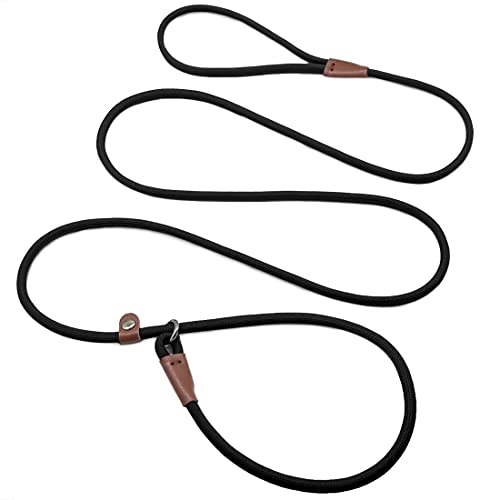
Training Tip: Whichever tool you choose, pair it with a long (4-6 foot) leash. A short leash restricts movement and can inadvertently create tension. A longer leash gives your dog freedom to sniff and move while you teach them the boundary of the "slack zone." A high-quality, comfortable leash with a good grip is essential.
Positive Training Techniques That Work
Training a dog to walk on a loose leash requires consistency, patience, and a positive attitude. Here's a step-by-step approach you can start using today.
The "Penalty Yard" Method (Stop and Wait)
This is a simple, powerful technique. When your dog reaches the end of the leash and pulls, you stop moving. Stand still like a tree. Wait for your dog to turn around and look at you, or take a step back to loosen the leash. Once the leash is loose, you resume walking. This teaches your dog that pulling stops the fun.
The "Turn and Go" Method
Every time your dog pulls, you change direction. This forces your dog to pay attention to you instead of the environment. You can do this with a cheerful "Let's go!" and a quick turn. Each time your dog follows you and the leash stays loose, you reward with a treat or praise. This method teaches your dog that they need to watch you to know where you're going.
Reward the Check-Ins
One of the most effective techniques is to reward your dog for voluntarily looking at you or making eye contact. This "check-in" behavior is the foundation of a great walking relationship. Every time your dog glances back at you, mark it with a "yes!" or a click, and give a treat. Soon, your dog will be checking in with you regularly, making walks more responsive and enjoyable. For more on building communication, check out our guide on basic leash walking commands.
Practice in Low-Distraction Environments First
Start your training in your living room or backyard. Once your dog is walking well there, move to a quiet sidewalk, and then gradually to busier areas. This builds success and prevents your dog from being overwhelmed. Socialization and gradual exposure to new environments go hand-in-hand with good leash manners.
Common Mistakes & How to Avoid Them
Even well-intentioned owners can make mistakes that slow down progress. Avoid these pitfalls to keep your training on track.
- Yanking or Jerking the Leash: This is painful and teaches your dog nothing except that you are unpredictable. It can damage your relationship and the trachea. Instead, be a tree—stop and wait.
- Not Being Consistent: If you allow pulling sometimes but not others, the dog will learn that pulling is worth trying because sometimes it works. Be 100% consistent that pulling never gets them what they want.
- Using a Retractable Leash: Retractable leashes are terrible for loose leash walking. They provide constant tension and teach your dog that pulling is acceptable. They also break easily. A fixed-length leash is far superior.
- Trying to Train on a Full Bladder or Empty Stomach: A dog who needs to go potty or is ravenous will be distracted and less able to focus on training. Give your dog a short potty break before your training walk.
- Skipping Mental Stimulation: A bored dog is more likely to be a puller. Ensure your dog gets enough mental exercise. Mental stimulation activities can help burn energy and make your dog calmer overall.
Handling Distractions & Triggers
This is where most training breaks down. Your dog will inevitably encounter squirrels, other dogs, people, and interesting smells. The key is management and preparation.
Create Distance
When you see a potential trigger, create distance. Cross the street, walk a different way, or step behind a car. Your goal is to keep your dog "under threshold" where they can focus on you. The further away you are, the less exciting the trigger will be.
Use High-Value Rewards
For major distractions, bring out the "big guns." This means treats your dog absolutely loves, like boiled chicken, cheese, or hot dogs. The reward should be more interesting than the distraction. Use them to get your dog's attention and reward them for staying calm.
Practice the "Look at That" game. When your dog notices a trigger but doesn't pull, mark and reward. This teaches your dog that looking at distractions is okay, but pulling isn't. For dogs with severe reactivity, you might need to consult a professional behaviorist. Read more about anxiety and reactivity if your dog struggles with this.
Maintaining the Skill for Life
Once your dog is walking nicely, don't stop training. A loose leash walk is a skill that requires maintenance. Here's how to keep it sharp:
- Vary Your Walks: Walk in different neighborhoods, at different times, and in different weather. This generalizes the behavior.
- Random Rewards: Even when your dog is walking well, keep rewarding them randomly. This keeps the behavior strong and your dog engaged.
- Revisit Training: If you notice your dog slipping back into old habits (like pulling), go back to basics. Spend a few minutes at the start of your walk reinforcing the loose leash.
A loose leash walking dog is a sign of a well-trained, happy dog. It makes owning a dog more joyful and allows you to meet their exercise needs in a positive way. Many owners find that once their dog masters this skill, they look forward to walks even more.
Final Thought: Every walk is a training opportunity. Stay calm, be patient, and always reward the behavior you want to see. Your dog wants to please you—they just need clear and consistent communication.