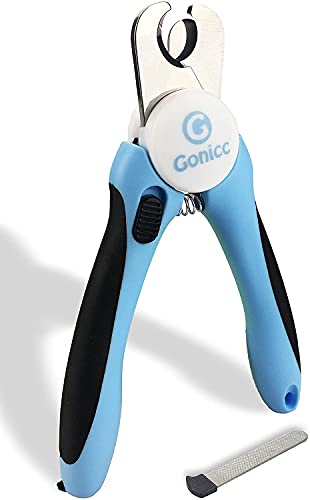
Dog Nail Clippers: The Complete Guide
Learn how to choose the best nail clippers for your dog, master the trimming technique safely, and keep your dog's paws healthy and comfortable.
Trimming your dog's nails is one of the most important grooming tasks you can do. Overgrown nails can cause pain, alter your dog's gait, lead to joint issues, and even become ingrown, causing infections. Yet many pet owners find it challenging, often due to fear of cutting the quick or dealing with a nervous dog.
This guide covers everything you need to know to become confident in trimming your dog's nails. We'll discuss the different types of clippers available, how to choose the best one for your dog, step-by-step instructions for safe trimming, and tips for making the experience positive for both you and your pet. We also feature our top recommended products from Amazon to help you get started.
Types of Dog Nail Clippers
Choosing the right type of clipper is crucial for a safe and effective trim. Different designs work better for different dogs based on their size, nail thickness, and temperament.
| Type | Best For | Pros | Cons |
|---|---|---|---|
| Guillotine Clippers | Small to medium dogs with thin nails | Easy to use, precise cutting | Not suitable for thick nails, can crush if dull |
| Scissor / Plier Clippers | Large breeds with thick, hard nails | Strong cutting power, durable | Heavier, requires more hand strength |
| Rotary Nail Grinder | Dogs that are nervous about clipping, medium to large nails | Smooth finish, less risk of quicking, great for desensitization | Takes longer, can be noisy, requires battery/charging |
| Nail File / Emery Board | Finishing touch, minor adjustments | Gentle, quiet, no risk of quicking | Time-consuming, not for major length reduction |
How to Choose the Right Clippers
Consider your dog's size, nail thickness, and your comfort level when selecting clippers. Here's a breakdown:
- For puppies and small breeds: Guillotine clippers or a small scissor-style clipper are usually sufficient. Their nails are thinner and easier to manage.
- For medium to large breeds: Scissor/plier clippers with sharp blades are recommended for cutting through thick nails cleanly. Look for a model with a safety guard to prevent cutting too much.
- For giant breeds: Heavy-duty scissor clippers or a high-quality rotary grinder are best. Their nails are very tough, and a grinder offers more control.
- For nervous dogs: A nail grinder is often less scary because it slowly files the nail down, reducing the risk of hitting the quick and avoiding the sudden "snip" sensation.
Look for clippers with safety features like a nail guard or a built-in light to see the quick more clearly, especially if your dog has dark nails.
How to Trim Your Dog's Nails Safely
Follow these steps for a stress-free nail trimming experience:
- Gather your supplies: Have your chosen clippers (sharp and clean), styptic powder (to stop bleeding in case you quick the nail), and some high-value treats ready.
- Get your dog comfortable: Sit with your dog in a quiet, well-lit area. Let them sniff the clippers and reward them. Practice holding their paws and touching their nails without cutting to build trust.
- Identify the quick: The quick is the pink area inside the nail (visible in white/clear nails) or can be estimated by looking at the underside of the nail. Cut only the tip beyond the quick. For dark nails, take very small slices off the tip, looking for the "black dot" or shiny center of the cross-section as you get closer to the quick.
- Cut at a 45-degree angle: For scissor/guillotine clippers, position the clipper so the blade is angled slightly, not straight across, to reduce splitting. For grinders, apply gentle pressure and move the grinder in short bursts to avoid heat buildup.
- Take small cuts: It's better to trim a little at a time. If you're unsure, cut a small sliver, then check the cut surface for the quick.
- Reward generously: After each successful cut, praise and give your dog a treat. This creates a positive association.
What if I cut the quick?
Accidents happen. If you nick the quick, it will bleed. Don't panic. Apply styptic powder to the nail tip with gentle pressure for 30-60 seconds. The bleeding should stop. If you don't have styptic powder, you can use cornstarch or a bar of soap. Comfort your dog and take a break. It's important not to associate the experience with fear.
Tips for Nervous Dogs
Many dogs are anxious about nail trims. Here are strategies to make the process easier:
- Desensitization: Start by just touching your dog's paws and nails daily without any trimming. Gradually introduce the sound and feel of the clippers or grinder while giving treats.
- Use positive reinforcement: Associate the clippers with great treats. Let your dog see the clippers, give a treat. Touch the clipper to their nail, give a treat. This builds a positive emotional response.
- Go slow: Don't try to trim all nails in one session if your dog is anxious. Do one or two nails a day, or even just a few seconds of grinding, and always end on a positive note.
- Try a nail grinder: The gentle filing action is less startling than the "snip" of clippers for many dogs. Introduce the grinder with it turned off, then at a distance, then slowly bring it closer.
- Consider a grooming harness or sling: For very wiggly or anxious dogs, a grooming sling that suspends them can make them feel more secure and prevent sudden movements.
Pro Tip: If your dog absolutely refuses nail trimming, don't force it. You can use a scratch board (a board with sandpaper) to file the nails down naturally. For persistent anxiety, consult a professional groomer or your veterinarian for guidance and potential anti-anxiety options.
Common Mistakes to Avoid
Avoid these pitfalls to ensure a safe and positive experience:
- Using dull clippers: Dull blades crush rather than cut nails, causing pain and splitting. Replace or sharpen clippers regularly.
- Cutting the nail too short: Always cut in small increments, especially with dark nails where the quick is hard to see.
- Not having styptic powder ready: Accidents can happen. Always be prepared to stop bleeding quickly.
- Rushing the process: A rushed trim can lead to mistakes. Take your time and stay calm.
- Ignoring the dewclaws: Don't forget to trim the dewclaws (the nails on the inside of the front legs and sometimes hind legs). These nails don't wear down from walking and can become overgrown.
- Not using treats: Rewards are crucial for creating a positive association with nail trimming. Skipping them makes future trims harder.
Frequently Asked Questions
Ready to Get Started?
Choosing the right dog nail clippers is the first step to stress-free grooming. The products below are highly rated and trusted by dog owners. Whether you need a gentle grinder for a sensitive pup or heavy-duty clippers for a large breed, you'll find a great option here. Investing in a quality tool makes all the difference.