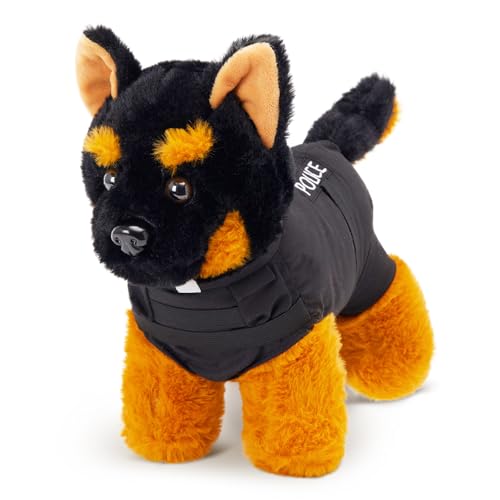
Police Dogs: The Ultimate Guide to K-9 Heroes
Explore the world of police dogs — from the elite breeds selected for service to the rigorous training they undergo, their vital roles in law enforcement, and the unbreakable bond with their handlers.
Police dogs, often called K-9s (a homophone for "canine"), are among the most highly trained and valued members of law enforcement agencies worldwide. These remarkable animals are not just pets with badges — they are skilled professionals capable of detecting explosives, narcotics, tracking suspects, and protecting their human partners in dangerous situations. The term "police dog police dog" reflects the dual identity of these animals: they are both beloved dogs and dedicated police officers.
Understanding what makes a police dog requires looking beyond the uniform. It's about genetics, temperament, intensive training, and an extraordinary partnership between dog and handler. Whether you're curious about the Belgian Malinois or want to know how these dogs are selected and trained, this guide covers everything you need to know about the world of police dogs.
Quick Fact: The use of dogs in law enforcement dates back centuries, but modern police dog programs began in the early 20th century. Today, K-9 units are essential to public safety, with thousands of active police dogs serving in agencies across the globe.
What Is a Police Dog?
A police dog is a dog specifically trained to assist law enforcement officers in their duties. These dogs are selected for their intelligence, trainability, physical stamina, and strong work drive. They are not simply aggressive animals — in fact, the best police dogs are highly controlled, responsive to commands, and capable of switching between intense work mode and calm obedience.
Police dogs are trained in a variety of disciplines, including obedience, agility, tracking, suspect apprehension, and scent detection. The specific training a dog receives depends on its role and the needs of the agency it serves. Some dogs are dual-purpose, trained for both patrol work and detection, while others specialize in a single discipline.
What sets police dogs apart from other working dogs is the level of precision and reliability required. A police dog must perform flawlessly under extreme stress, in unpredictable environments, and around distractions that would overwhelm an untrained dog. This is why the selection process for police dogs is so rigorous — only a small percentage of dogs have what it takes.
Top Breeds for Police Work
Not every dog breed is suited for police work. The ideal police dog must possess a unique combination of traits: high intelligence, strong prey drive, physical strength, endurance, trainability, and a stable temperament. While many breeds are used in specialized roles, a few stand out as the most common choices for K-9 units worldwide.
| Breed | Primary Strengths | Common Roles | Energy Level |
|---|---|---|---|
| Belgian Malinois | Extreme drive, agility, intense focus, fast learner | Patrol, apprehension, detection, military | Very High |
| German Shepherd | Strength, loyalty, versatility, strong nose | Patrol, tracking, narcotics, explosives | High |
| Dutch Shepherd | Agility, endurance, balanced drive, coat variety | Patrol, detection, search and rescue | High |
| Labrador Retriever | Excellent scenting ability, friendly, food-motivated | Narcotics, explosives, arson detection | Moderate to High |
| Bloodhound | Unmatched tracking ability, persistent, gentle | Search and rescue, suspect tracking | Moderate |
Belgian Malinois: The Rising Star
The Belgian Malinois has become the preferred breed for many elite K-9 units, including military special operations. This lean, athletic herding breed possesses an almost obsessive work drive and exceptional agility. Malinois are faster and more agile than German Shepherds, making them ideal for high-intensity operations. However, their extreme drive means they require constant mental and physical stimulation — a bored Malinois can be destructive. For those interested in this breed, learning about the Belgian Malinois is essential.
German Shepherd: The Classic K-9
The German Shepherd remains the most recognizable police dog breed and for good reason. This breed combines strength, intelligence, and unwavering loyalty with a strong protective instinct. German Shepherds are versatile enough to excel in patrol work, detection, and tracking. Their thick double coat and powerful build make them well-suited for diverse climates and demanding physical tasks. When properly bred and trained, a German Shepherd police dog is a formidable partner.
Specialty Detection Breeds
For pure scent detection work, breeds like the Labrador Retriever and Beagle are often preferred. Their incredible noses and food motivation make them highly effective at locating narcotics, explosives, and even contraband electronics. These dogs are typically trained as "single-purpose" detection dogs and may not be used for apprehension work. Their friendly nature also makes them well-suited for public interactions, which is important in roles like airport security.
Breed Selection Insight: Police agencies don't just choose a breed — they select individual dogs within that breed based on temperament testing. A high-drive dog from working lines is very different from a show-line dog of the same breed. Reputable breeders who specialize in working dogs are essential partners for K-9 units.
Roles & Specialties of K-9 Units
Police dogs are far more than just security animals. Their specialized skills make them invaluable in a wide range of law enforcement operations. Here are the primary roles that police dogs fulfill:
Patrol and Apprehension
Patrol dogs are the most visible type of police dog. They accompany officers on routine patrols, respond to calls for service, and assist in apprehending suspects. These dogs are trained to protect their handler, pursue fleeing suspects, and hold individuals until officers can take control. The mere presence of a patrol dog often de-escalates tense situations before they turn violent.
Narcotics Detection
Narcotics detection dogs are trained to locate illegal drugs, including marijuana, cocaine, heroin, and methamphetamine. These dogs are often deployed at traffic stops, border crossings, and airports. Their noses can detect trace amounts of substances that are invisible to humans, making them incredibly effective at finding hidden contraband.
Explosives Detection
Explosives detection dogs are critical for public safety. They are trained to identify the scent of various explosive materials, including those used in improvised explosive devices (IEDs). These dogs work in airports, government buildings, and large public events. Their training is highly specialized and must be continuously maintained to ensure reliability.
Tracking and Search & Rescue
Some police dogs are trained to track human scent, following a trail left by a missing person or fleeing suspect. Bloodhounds are particularly renowned for this ability, but many other breeds can be trained for tracking work. These dogs are also used in disaster response, searching for survivors in collapsed buildings or natural disasters. If you're interested in how dogs are used in search and rescue, you might also explore dog GPS trackers and other tools that support working dogs.
Other Specialized Roles
- Arson Detection: Dogs trained to detect accelerants used in arson cases.
- Wildlife Detection: Used to combat poaching and illegal wildlife trade.
- Cell Phone Detection: In correctional facilities, dogs are trained to find contraband cell phones.
- Cadave Detection: Also known as human remains detection, these dogs locate bodies in various states of decomposition.
The Training Process
Training a police dog is a lengthy and intensive process that requires patience, consistency, and expertise. Not every dog that enters training will succeed — in fact, a significant percentage are "washed out" due to health issues, temperament problems, or lack of drive. The training process typically begins when the dog is a young puppy and continues throughout its working life.
Puppy Foundation and Socialization
Police dog candidates often start their training with a volunteer foster family or in a specialized breeding program. During this phase, the puppy is socialized extensively — exposed to new people, places, sounds, and experiences in a positive way. This foundation is critical for producing a confident, stable dog that can handle the pressures of police work. Basic obedience and house manners are also taught during this period.
Formal K-9 Training
At around 12-18 months of age, the dog enters formal police dog training. This phase lasts 8 to 16 weeks depending on the dog's specialty. The training is rigorous and covers:
- Advanced Obedience: Off-leash reliability, distance commands, and distraction-proofing. The dog must respond instantly to commands in chaotic environments.
- Agility and Physical Conditioning: Jumping obstacles, climbing, and navigating uneven terrain. Police dogs must be physically fit for duty.
- Bite Work and Apprehension: For patrol dogs, training involves controlled biting of a protective sleeve worn by a decoy. The dog learns to engage a suspect on command and release immediately when instructed.
- Scent Detection: Detection dogs learn to associate specific target odors with a reward (usually a toy or food). They are trained to search systematically and indicate the location of the target scent.
- Scenario-Based Training: Realistic simulations of situations the dog will encounter on the job — building searches, vehicle stops, crowd control, and more.
Certification and Ongoing Training
After completing formal training, police dogs must pass a certification test to be cleared for duty. Even after certification, training never stops — K-9 teams regularly participate in maintenance training to keep their skills sharp. This continuous training is essential for reliability in high-stakes situations.
Key Training Principle: Police dog training relies heavily on positive reinforcement and the dog's natural drives (prey drive, play drive, food drive). Handlers use toys and praise as rewards, making training sessions feel like play to the dog. This approach builds enthusiasm and ensures the dog enjoys its work.
The Handler-Dog Bond
The relationship between a police dog and its handler is unlike any other. These two individuals spend nearly every moment together — at work, at home, and during training. The handler is not just the dog's partner; they are the dog's family, its leader, and its primary source of reward and affection.
In most K-9 units, the dog lives with the handler and their family. This arrangement is intentional: it strengthens the bond and ensures the dog is constantly exposed to the handler's commands, routines, and expectations. A police dog that trusts and respects its handler will perform more reliably under pressure.
Handlers undergo their own training, learning how to read their dog's body language, handle them safely, and deploy them effectively. This training is ongoing throughout the partnership. A successful K-9 team is one where communication is fluid and instantaneous — a look, a gesture, or a single word can convey an entire command.
For those interested in how dog-handler relationships develop outside of police work, you might find parallels in general dog training and positive reinforcement methods. The principles of trust, consistency, and mutual respect apply in both contexts.
Daily Life & Care for a Police Dog
While police dogs are working animals, their daily care is similar to that of any high-drive, active dog. They require proper nutrition, regular veterinary care, and plenty of exercise. However, the demands of their job add an extra layer of responsibility for their handlers.
Nutrition and Health
Police dogs are athletes, and their diet reflects that. High-quality protein is essential for muscle maintenance and recovery. Many K-9 units feed their dogs premium dry dog food or a carefully formulated raw diet. Supplements like joint support and omega-3 fatty acids may be added to support long-term health. Regular veterinary checkups are mandatory, and any signs of injury or illness are taken seriously.
Exercise and Mental Stimulation
A police dog off duty still needs plenty of exercise. Handlers often incorporate play and training into daily routines to keep their dogs physically fit and mentally satisfied. A tired dog is a well-behaved dog, and for high-drive breeds like the Malinois, "tired" can mean hours of activity per day.
Equipment and Gear
Police dogs wear specialized gear, including sturdy collars, harnesses, and sometimes protective vests. Their handlers carry a range of tools to support them, including leashes, muzzles for safety during certain operations, and first aid kits for emergencies. The equipment used is designed for durability and functionality in the field.
Housing
Most police dogs live indoors with their handlers, sleeping in crates or designated areas. Some agencies provide kennel facilities, but the trend is strongly toward in-home placement because it strengthens the bond. When kenneled, dogs need spacious, climate-controlled environments with opportunities for exercise and socialization.
Grooming
Regular brushing keeps a police dog's coat healthy and reduces shedding. Bathing is done as needed, often after a particularly dirty operation. Nail trimming, ear cleaning, and dental care are part of the routine, just as they would be for any dog. Handlers often use grooming time as a way to check for injuries or skin problems.
Retirement & Adoption
After years of dedicated service, police dogs eventually retire. The typical retirement age is around 7 to 9 years, though some dogs work longer if they remain healthy and capable. When a police dog retires, the handler is almost always given the first opportunity to adopt the dog — a well-deserved transition for both.
If the handler cannot take the dog, the agency follows a careful adoption process to find a suitable home. Retired police dogs often need a quiet, structured environment where they can enjoy their golden years without the stress of active duty. They may still retain strong drives and require regular exercise and mental stimulation.
Organizations that support retired police dogs often provide resources for their care, including financial assistance for medical needs. Adopting a retired K-9 is a rewarding experience, but it comes with the responsibility of understanding the dog's unique background and needs. If you're considering adopting a working dog, learning about dog behavior and behavior modification techniques can help you provide the best possible home.
Did You Know? Some police dogs are named after fallen officers or given names that reflect their agency's traditions. These names are more than just labels — they symbolize the dog's role as a partner and protector.
Frequently Asked Questions
The Bottom Line
Police dogs are extraordinary animals that play a critical role in keeping our communities safe. From the powerful German Shepherd to the agile Belgian Malinois, these K-9 heroes combine natural instinct with intensive training and an unbreakable bond with their handlers. Understanding their world — the breeds, the training, the daily life, and the retirement journey — gives us a deeper appreciation for the incredible work these dogs do. If you're interested in learning more about the breeds that excel in police work, explore our guides on the German Shepherd and Belgian Malinois.