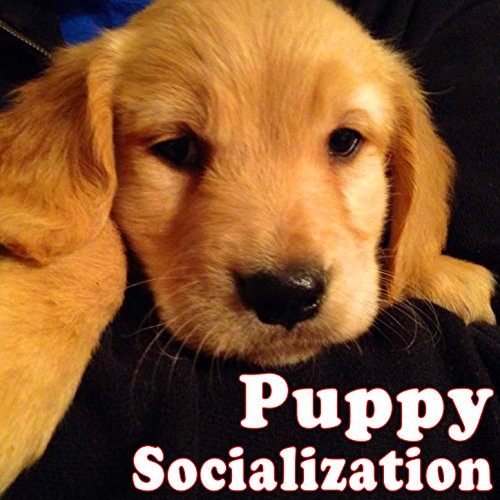
Puppy socialization is the most important investment you will make in your dog's future. The early experiences your puppy has—the people they meet, the sounds they hear, the places they explore—shape their brain development and emotional resilience for the rest of their life. Properly socialized puppies grow into confident adult dogs who handle new situations with ease, recover quickly from scary events, and are less likely to develop anxiety or fear-based aggression.
This comprehensive guide walks you through the science of puppy socialization, provides a practical step-by-step plan, and answers the most common questions about this critical process. Whether you are a first-time puppy owner or an experienced dog parent, the information here will help you set your puppy up for a lifetime of success.
🐾 The Golden Rule of Socialization: Every new experience should be positive. If your puppy shows fear (tucked tail, flattened ears, trying to hide), they are telling you the situation is overwhelming. Listen to them. Increase distance, reduce intensity, and try again later with a different approach.
Why Puppy Socialization Matters
Socialization is not just about teaching your puppy to be friendly—it is about building their ability to handle a world that is full of unpredictable sights, sounds, smells, and situations. A well-socialized puppy learns that new things are not necessarily scary, and they develop the resilience to recover from startling or challenging experiences.
The Critical Socialization Window
Puppies are most receptive to new experiences between 3 and 14 weeks of age. During this period, their brains are primed to learn that unfamiliar things are safe. After this window closes, it becomes significantly harder to introduce new things without triggering fear or anxiety. This is why early socialization is so crucial—it is a once-in-a-lifetime opportunity.
The Long-Term Benefits
- Reduced fear and anxiety: Confident dogs are less likely to develop separation anxiety, noise phobias, or fear-based aggression.
- Better adaptability: Socialized puppies become adults who can handle vet visits, grooming, car rides, and travel with ease.
- Safer interactions: Dogs who understand canine body language are less likely to get into fights or react aggressively to other dogs.
- Stronger bond with you: Positive experiences build trust and strengthen your relationship with your dog.
Essential Socialization Checklist
Use this checklist as a guide to systematically introduce your puppy to a wide variety of experiences. Work through as many items as possible, but always prioritize quality over quantity. A positive experience with one new thing is more valuable than ten forced or scary encounters.
| Category | Experiences to Introduce | Tips for Success |
|---|---|---|
| People | Men, women, children, seniors, people with beards, wearing hats, glasses, uniforms, using mobility aids (walkers, canes, wheelchairs) | Let people offer treats from their open hand. Allow the puppy to approach if they choose. |
| Animals | Vaccinated adult dogs, other puppies, cats, small animals (in a safe container), livestock (if applicable) | Always supervise and keep interactions short. Use on-leash introductions for control. |
| Environments | Quiet neighborhoods, busy streets, parks, pet stores (in a cart), vet clinic (just for a happy visit), friends' homes, car rides | Start with less stimulating environments and gradually increase complexity. |
| Sounds | Traffic noise, barking, doorbells, vacuum cleaners, thunder (via sound recording), music, children playing, construction sounds | Play sounds at a low volume and pair with treats. Slowly increase volume over several sessions. |
| Surfaces | Grass, concrete, tile, wood floors, carpet, metal grates, gravel, sand, mud, snow, wet surfaces | Encourage exploration by placing treats on different surfaces. Let them sniff and move at their own pace. |
| Handling | Paws, ears, mouth, tail, body brushing, teeth brushing, nail trimming (just touch initially), gentle restraint | Start with short sessions and lots of treats. Make it a game. This prepares them for vet exams. |
Remember: Your goal is not to check every box off the list. Your goal is to help your puppy feel safe and confident in a variety of situations. Pay attention to their body language—relaxed, playful, curious body language means they are doing well. Signs of stress (lip licking, yawning, tucked tail) mean you need to adjust your approach.
Safe Socialization Strategies (Pre-Vaccination)
A common concern for new puppy owners is balancing the need for early socialization with the risk of disease before full vaccination. The good news is that you can safely socialize your puppy while minimizing health risks by using these strategies.
Pre-Vaccination Socialization Plan
- Puppy playdates at home: Invite fully vaccinated adult dogs that you know are healthy into your home for supervised play sessions. This is safe and incredibly valuable for your puppy.
- Carry or use a cart: Take your puppy on outings in a sling or a cart to expose them to new environments without putting their paws on the ground. Let them observe the world from the safety of your arms.
- Host a "puppy party": Invite friends and family over to meet your puppy. Ensure they are comfortable with handling and that they have been around dogs recently.
- Practice at home: You can socialize your puppy to new sounds using YouTube or Spotify playlists of urban noises, thunderstorms, and household sounds.
- Visit low-traffic areas: Carry your puppy to quiet, less frequented spots like a quiet street or a friend's fenced yard for safe exploration.
When can I start walking my puppy? Most puppies can start taking short walks in low-risk areas (like a private yard or a quiet street) after their second vaccination, typically around 10-12 weeks. Always follow your veterinarian's specific advice based on the disease risk in your area. Some vets may recommend waiting until the final booster, but they can also offer guidance on safe alternatives.
Building Confidence in a Shy or Fearful Puppy
Some puppies are naturally more cautious, and some may have had less-than-ideal early experiences before coming to you. Building confidence in a shy puppy requires patience, consistency, and a slow approach. Forcing a fearful puppy into overwhelming situations will only make their fear worse.
Steps for Building Confidence
- Let them observe first: Give your puppy the chance to watch new things from a distance they find comfortable. Do not force them closer.
- Pair new things with treats: Every time your puppy looks at a new person, object, or sound, give them a high-value treat. This creates a positive association.
- Gradually decrease distance: Over multiple sessions, slowly decrease the distance to the trigger while continuing to offer treats. Let your puppy set the pace.
- Use play to build confidence: Interactive games like tug-of-war, hide-and-seek, and gentle wrestling (with appropriate pauses) build your puppy's confidence in their body and their relationship with you.
- Celebrate small wins: A moment of curiosity, a step forward toward something new, a sniff of a stranger—celebrate these with praise and treats.
What to Avoid
- Forcing physical contact: Never allow strangers to pet your puppy if they are showing fear. Ask them to offer a hand and let the puppy approach if they choose.
- Flooding: Overwhelming your puppy with too much too fast (e.g., taking them to a crowded dog park before they are ready) can cause long-term fear.
- Punishing fear: Telling your puppy "no" or using harsh tones when they are scared makes them associate the scary thing with your displeasure, making it worse.
- Rushing the process: Building confidence takes time. Some puppies need weeks of slow, patient work. Honor their pace.
Common Socialization Mistakes to Avoid
Even with the best intentions, it's easy to make mistakes. Being aware of these common pitfalls can help you stay on track and ensure your puppy's socialization is as effective as possible.
- Starting too late: Waiting until your puppy is fully vaccinated (around 16 weeks) to begin socialization means you miss the critical window. Use the safe strategies outlined above to start early.
- Thinking dog parks are the answer: Unpredictable adult dogs and overwhelming environments can be traumatizing for a puppy. Dog parks are not appropriate for young puppies under 4 months old.
- Focusing only on other dogs: While dog-dog socialization is important, it is only one part of the picture. A balanced approach includes people, sounds, places, and handling.
- Ignoring your puppy's stress signals: Pushing a frightened puppy into a situation because you think they "should" be okay is a recipe for creating fear. Always listen to what your puppy is telling you.
- Not practicing at home: Socialization starts at home. Introducing your puppy to new surfaces, sounds, and gentle handling from the first day they come home is vital.
- Forgetting to maintain socialization: Socialization is not a one-time event. You need to continue exposing your puppy to new things throughout their adolescence and adult life to maintain their confidence.
Frequently Asked Questions
Ready to Start Socializing Your Puppy?
Socializing your puppy is one of the most rewarding things you will ever do. It is an investment in your puppy's happiness, health, and safety for their entire life. By following the steps in this guide—starting early, making it positive, and respecting your puppy's limits—you are giving them the best possible start in life. For more in-depth training and behavior advice, explore our comprehensive puppy training library and advanced socialization techniques.