Complete Recall Training Guide
Teach your dog to come when called — every time, in any situation. Step-by-step methods, common mistakes, and the tools you need for a reliable recall.
Why a Reliable Recall Matters
A reliable recall — the ability to call your dog and have them come to you immediately — is the single most important command you can teach. It's not about obedience for the sake of control. A solid recall can save your dog's life if they're heading toward a busy road, a dangerous animal, or a toxic substance.
Beyond safety, a good recall gives your dog freedom. Dogs with reliable recall can enjoy more off-leash time, explore the world, and experience the joy of running and playing without restrictions. This freedom significantly improves their quality of life and strengthens the bond between you and your dog.
Remember: Recall training is never finished. Even well-trained dogs need regular practice throughout their lives. Think of it as a skill that requires maintenance, not a one-time achievement.
The Science of Recall Training
Understanding how dogs learn is essential for effective recall training. The core principle of recall is simple: your dog must learn that coming to you is always the most rewarding thing they can do in any situation.
Key Principles
- Positive Reinforcement: Reward every successful recall with high-value treats, praise, or play. Your dog should associate coming to you with something amazing.
- Never Punish Recall: Never scold, punish, or grab your dog when they finally come to you — even if they took too long or ignored you initially. Punishment destroys the recall and teaches your dog that coming to you is risky.
- Make It a Game: Recall should be fun. Make the experience of coming to you more exciting than whatever your dog is doing.
- Start Easy, Build Gradually: Begin in low-distraction environments and slowly increase difficulty. Mastering recall takes time and patience.
Common Misconceptions
- Myth: "My dog knows the command, they're just stubborn."
Truth: Dogs don't choose to disobey — they choose the option that's most rewarding. If your dog doesn't come, the environment is more rewarding than you. - Myth: "I need to use a harsh tone to show I mean business."
Truth: A harsh tone makes your dog less likely to come. They associate your voice with negativity. - Myth: "My dog will come naturally because they love me."
Truth: Love alone isn't enough. Training is about building habits, not relying on affection.
Step-by-Step Recall Training
Follow this progression carefully. Do not skip steps or rush to more difficult stages. Your goal is to build a flawless recall foundation before adding challenges.
Phase 1: Name Recognition & Connection
- Say your dog's name. When they look at you, immediately say "Yes!" or click and give a treat. Repeat 10-15 times per session.
- Progress to gentle "come" command. Say your dog's name, then "come" while taking a step backward. When your dog follows, reward generously.
- Add distance. Move farther away and call your dog to you. Use excited body language — crouch down, pat your legs, open your arms.
Phase 2: Building Distance & Distractions
- Use a long line. Attach a 15-30 foot lightweight leash to your dog's harness. This gives you control while allowing freedom.
- Practice in quiet areas. Start in your home, then move to a fenced yard or quiet park. Call your dog from increasing distances.
- Use the "collar grab" technique. Sometimes dogs learn to come but avoid being grabbed. Practice reaching for the collar, treating, and releasing.
Phase 3: Distraction Training
- Start with mild distractions. Have someone walk past at a distance while you call your dog. Reward heavily for choosing you.
- Use the "drop and run" method. When your dog is distracted, say "come" and run away from them. Your movement triggers their chase instinct.
- Add other dogs. Practice near calm, leashed dogs. Reward your dog for coming when called.
Pro Tip: Use high-value treats that your dog only gets during recall training. Examples: small pieces of boiled chicken, hot dogs, cheese, or freeze-dried liver. These special rewards make coming to you incredibly appealing.
Training Tools & Equipment
The right tools make recall training safer and more effective. Here are the essential items for successful recall training:
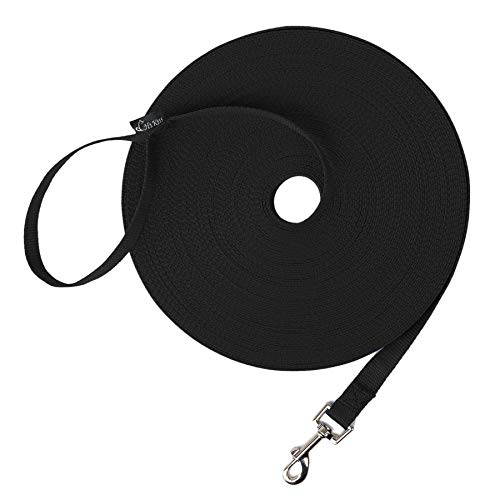
Long Line Training Leash
A lightweight, 15-30 foot leash gives your dog freedom while maintaining control. Essential for building distance before going off-leash. Choose a flat, lightweight material that won't tangle.
$20–$45High-Value Treat Pouch
Easy-access treat pouches keep rewards available for instant reinforcement. Look for pouches with a magnetic closure and belt clip. Refillable and washable options available.
$15–$35Training Clicker
A clicker marks the exact moment your dog does what you want. This precise timing speeds up learning. Many clickers include wrist straps for convenience.
$8–$20Front-Clip Harness
A well-fitted harness with a front clip gives you control without putting pressure on your dog's neck. Essential for safety during training.
$25–$60Common Mistakes to Avoid
Even well-meaning owners make mistakes that undermine recall training. Avoid these common pitfalls:
- Using the command when you can't enforce it. If you call your dog and they don't come, you're teaching them that ignoring you is acceptable. Only give the command when you're confident they'll respond.
- Repeating the command. Saying "come, come, come" teaches your dog that the command has multiple repetitions. Say it once and wait. If they don't come, go get them.
- Calling for things your dog dislikes. If you always call your dog to end playtime, give a bath, or leave the park, they'll associate recall with negative experiences. Call for positive things too.
- Using the command in stressful situations. If your dog is frightened, calling them can increase stress. Go to them instead.
- Inconsistent rewards. Sometimes praising, sometimes treating, sometimes doing nothing confuses your dog. Be consistent with rewards, especially during training.
Proofing & Distraction Training
Proofing means ensuring your dog's recall works in any situation, under any distraction. This is the most challenging and most important phase of training.
The Distraction Pyramid
Progress through these levels systematically:
- Level 0: Your home, no distractions. Your dog should come 100% of the time.
- Level 1: Your yard or quiet street, with mild distractions.
- Level 2: A quiet park or empty field, with moderate distractions.
- Level 3: A park with other dogs and people present, with high distractions.
- Level 4: The dog park or busy area, with very high distractions.
- Level 5: Real-world scenarios — off-leash in nature, near wildlife, or in unfamiliar environments.
Key to Success: At each level, your dog must succeed before moving to the next. If they fail, go back to a lower level. Training is not linear — it's okay to go backward.
The Emergency Recall
An emergency recall is a special command used only when your dog is in immediate danger. It should be trained separately from your regular recall and use a unique word.
How to Train the Emergency Recall
- Choose a unique word. Examples: "Alarm," "Here," or "Hustle." Never use this word casually.
- Start with the highest rewards. Use the most amazing treats your dog never gets otherwise — steak, grilled chicken, or salmon.
- Begin indoors. Say the emergency word, give huge rewards immediately. Repeat multiple times per session.
- Practice unpredictably. Use the emergency word at random times throughout the day and always give the highest reward.
- Transition to outdoors. Practice in increasing distraction levels, always with the highest rewards.
When to Use the Emergency Recall
- Dog heading toward a busy road
- Approaching a dangerous animal
- About to eat something toxic
- Running toward a cliff or water hazard
- Any life-threatening situation
Important: The emergency recall should be used sparingly. If you use it too often, it loses its power. Reserve it for true emergencies only.
Frequently Asked Questions
Your Journey to a Reliable Recall Starts Now
Recall training is one of the most rewarding investments you can make in your relationship with your dog. It takes time, patience, and consistency, but the payoff is immense: safety, freedom, and a deeper bond. Start today with short, positive sessions. Celebrate small wins. And remember — every time your dog comes to you, reward them like they just won a prize. For more training tips, explore our dog training section and positive reinforcement guide.