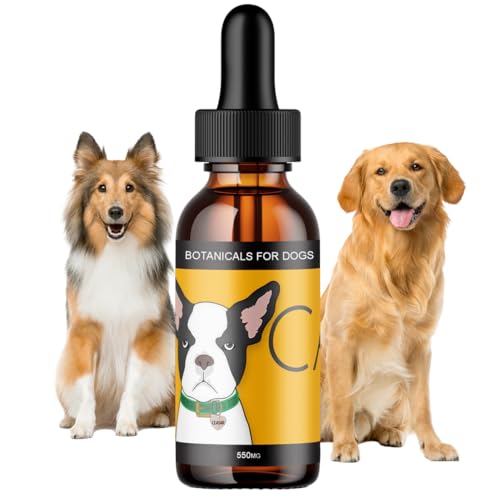
Strongest Over the Counter Sedative for Dogs
If you are looking for a way to calm your anxious or stressed dog without a prescription, understanding what actually works—and what is safe—is essential. This guide cuts through the marketing to explain the strongest OTC options, their real effectiveness, and when you must see a vet.
Many dog owners searching for the strongest over the counter sedative for dogs are dealing with a stressful situation: a thunderstorm phobia, travel anxiety, or a vet visit that requires a calmer dog. The reality is that true sedatives—medications that depress the central nervous system and cause significant drowsiness—are prescription-only for good reason. They carry risks that require veterinary supervision.
However, there are over-the-counter options that can provide mild calming effects or drowsiness. The key is understanding the difference between sedation (knocking the dog out) and anxiolysis (reducing fear and anxiety without necessarily causing sleep). A drowsy dog is not always a calm dog—a terrified dog that is too tired to move is still terrified.
The Truth About OTC Sedatives for Dogs
Veterinarians are clear on this point: there are no safe, true over-the-counter sedatives for dogs [citation:2]. What is available without a prescription falls into two categories: natural supplements that promote relaxation, and human medications used off-label for their side effects. Neither category is a substitute for a veterinary-prescribed sedative when genuine sedation is needed.
Critical Distinction: A sedative suppresses brain activity and causes profound drowsiness. A calming supplement reduces anxiety while the dog remains alert and responsive. If your dog is injuring themselves during storms or panic attacks, an OTC product will not be enough. That requires veterinary intervention with prescription medication.
That said, for mild situational stress—a car ride, a grooming appointment, or mild noise sensitivity—some OTC options can take the edge off. The most reliable of these is melatonin.
Melatonin: The Closest Natural Option
Melatonin is a hormone naturally produced by the pineal gland that regulates sleep-wake cycles. In dogs, it is widely considered the safest and most reliable over-the-counter option for promoting relaxation and drowsiness [citation:1]. It is not a true sedative in the pharmaceutical sense, but it is the closest thing to one available without a prescription.
Why Melatonin Stands Out
- Natural and well-tolerated: Because it is a hormone the body already produces, the risk of severe side effects is low when used at appropriate doses.
- Versatile: Useful for noise phobias (thunderstorms, fireworks), travel anxiety, vet visits, and helping older dogs with sleep-wake cycle disruptions.
- Reasonably predictable: Unlike Benadryl, melatonin produces a more consistent drowsiness effect across different dogs.
- Multiple forms: Available as tablets, capsules, and liquid drops, making administration easier for picky dogs.
General Dosing Guidelines
Weight-based guidelines are commonly cited, though you should always confirm with your veterinarian:
| Dog Weight | Typical Melatonin Dose | Timing |
|---|---|---|
| Under 10 lbs | 1 mg | 30–60 minutes before event |
| 10–25 lbs | 1.5 mg | 30–60 minutes before event |
| 26–100 lbs | 3 mg | 30–60 minutes before event |
| Over 100 lbs | 3–6 mg | Consult vet for exact dose |
Important Safety Note: Only use plain melatonin. Many human melatonin products contain xylitol, an artificial sweetener that is highly toxic to dogs and can cause liver failure. Check the label carefully. Pet-specific melatonin products are the safest choice.
If you are dealing with a dog who struggles with confinement or crate anxiety, melatonin combined with a properly sized crate and a calming environment can be part of a broader management strategy. For dogs with more general anxiety, exploring things that help with separation anxiety alongside calming supplements may provide additional support.
Benadryl (Diphenhydramine): The Unreliable Option
Benadryl is the most commonly recommended over-the-counter "sedative" for dogs in online forums and owner groups. It is an antihistamine used legitimately for allergies and motion sickness. One of its side effects is drowsiness—but this effect is far from guaranteed and is not the same as sedation.
A controlled study involving 56 dogs compared diphenhydramine, saline solution, and acepromazine (a prescription sedative). The dogs given diphenhydramine were not meaningfully more sedated than the dogs given saltwater [citation:13]. The authors concluded that diphenhydramine does not cause clinically appreciable sedation in healthy dogs.
This means that if your dog becomes drowsy on Benadryl, it is a side effect, not a reliable pharmacological effect. Some dogs experience the opposite reaction and become more agitated. Benadryl is not a solution for anxiety or fear-based behavior.
Veterinary dosing for Benadryl (when used appropriately for allergies or motion sickness) is typically 2–4 mg/kg every 8–12 hours, but this should never be administered for sedation without veterinary guidance [citation:3][citation:15]. Dogs with glaucoma, heart disease, high blood pressure, or an enlarged prostate should not receive diphenhydramine at all.
L-Theanine & Calming Supplements: Calm Without Sedation
If your goal is to reduce anxiety without causing drowsiness, L-theanine and combination calming supplements are better choices than trying to sedate your dog. These products do not suppress consciousness—they promote a state of relaxed alertness.
L-Theanine
An amino acid found in green tea, L-theanine increases GABA levels in the brain, promoting relaxation without sedation. It is particularly useful for situational anxiety, vet visits, and car travel. Dogs remain responsive and themselves, just less anxious.
Alpha-Casozepine
Derived from milk protein, alpha-casozepine has moderate evidence from randomized controlled trials for reducing anxiety in dogs [citation:13]. It is often included in calming supplements and is a good option for daily management of mild anxiety.
Combination Calming Products
Many commercial calming chews combine multiple ingredients: L-theanine, L-tryptophan, chamomile, valerian root, and melatonin in small amounts. These can be effective for mild stress, but their effectiveness varies by formulation and individual dog. Look for products with the National Animal Supplement Council (NASC) seal where available.
For dogs with noise phobias, a pheromone diffuser used alongside calming supplements can create a more supportive environment. If your dog struggles specifically with being left alone, targeted strategies for separation anxiety combined with calming support may be more effective than sedation alone.
Comparison: OTC Options for Dog Calming
| Option | Type | Sedating Effect | Evidence Level | Best For |
|---|---|---|---|---|
| Melatonin | Hormone supplement | Moderate (drowsiness) | Good (established use) | Noise phobias, travel, sleep support |
| Benadryl (Diphenhydramine) | Antihistamine | Unreliable | Evidence against sedation | Allergies, motion sickness (not anxiety) |
| L-Theanine | Amino acid | None (calming only) | Limited canine trials | Situational anxiety, vet visits |
| Alpha-Casozepine | Milk peptide | Minimal | Moderate (RCTs) | Daily anxiety management |
| Valerian Root | Herbal | Mild-moderate | Traditional use | Mild stress, combination products |
| Pheromone Products | Device (diffuser/collar) | None | Moderate for thunderstorm fear | Environmental calming support |
If you are considering calming products as part of a broader care routine, our guide to best calming products for dogs breaks down specific formulations and ingredients. For dogs with noise sensitivity, combining a pressure wrap with melatonin often provides better results than either alone.
Safety Warnings & When to See a Vet
Do not sedate your dog without veterinary guidance. Even "natural" supplements can interact with medications, worsen underlying health conditions, or cause unexpected reactions. Dogs with liver disease, kidney disease, diabetes, or thyroid conditions are particularly at risk.
You should consult a veterinarian before using any OTC sedative or calming product if:
- Your dog has any diagnosed medical condition
- Your dog is taking prescription medications (including behavior medications)
- Your dog is pregnant, nursing, or intended for breeding
- Your dog is very young (under 12 weeks) or very old
- Your dog has experienced an adverse reaction to any supplement or medication in the past
Seek veterinary care immediately if your dog shows signs of overdose or adverse reaction: severe lethargy, difficulty breathing, vomiting, tremors, or loss of consciousness. If your dog has ingested a product containing xylitol, this is a medical emergency.
For situations requiring genuine sedation—severe anxiety, panic attacks, travel by air, or medical procedures—prescription options like trazodone, gabapentin, or dexmedetomidine are far more appropriate and effective. These require a veterinary examination and prescription for good reason. A trusted veterinarian can assess your dog's health status and recommend the safest option.
Frequently Asked Questions
The Bottom Line
If you are looking for the strongest over-the-counter sedative for dogs, the honest answer is that no OTC product provides reliable sedation. Melatonin is the best natural option for mild drowsiness. For genuine anxiety and fear, calming supplements like L-theanine or alpha-casozepine address the underlying emotion rather than just suppressing consciousness. And if your dog needs real sedation—for safety, medical reasons, or severe distress—a veterinarian is your only appropriate resource. Trying to sedate a dog with human medications or unverified supplements is risky and often ineffective. Work with your vet to find a safe, effective solution tailored to your dog's specific needs.