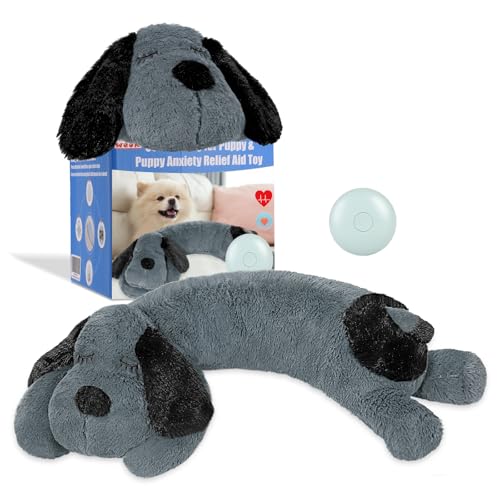
The Best Stuffed Animal for Dogs with Separation Anxiety
Discover how the right comfort toy can soothe your dog's anxiety, reduce stress-related behaviors, and make alone time easier for both of you.
Separation anxiety is one of the most heartbreaking challenges a dog owner can face. Coming home to scratched doors, chewed furniture, or a dog who has been barking for hours is stressful for everyone — but the suffering your dog experiences is far greater. While stuffed animals are not a magic cure for separation anxiety, the right comfort toy can be a powerful piece of a broader management plan. For many dogs, a soft, cuddly companion provides a sense of security that helps them settle and relax when they are alone.
This guide explains why stuffed animals help anxious dogs, what types work best, how to choose a safe option, and how to combine a comfort toy with proven behavioral strategies. If your dog's anxiety is severe, you may also want to explore things that help dogs with separation anxiety and consult your veterinarian or a behaviorist for a tailored plan.
Why Stuffed Animals Help Anxious Dogs
Dogs are social animals. When left alone, they lose access to their social group — and for a dog with separation anxiety, that loss triggers panic. A stuffed animal cannot replace human companionship, but it can mimic some of the comfort signals that dogs associate with safety.
- Comfort through touch: Soft textures and cuddling trigger the release of oxytocin, the bonding hormone. Snuggling against a plush toy can lower heart rate and reduce stress hormones, similar to how a child finds comfort in a security blanket.
- Surrogate companionship: Some dogs, especially puppies and maternal females, treat stuffed animals as littermates or puppies. They may nuzzle, groom, or curl up with the toy, which satisfies social instincts and reduces feelings of isolation.
- Chewing and self-soothing: Anxious dogs often chew to relieve stress. A plush toy can provide a safe outlet for this behavior — but only if the toy is sturdy enough to withstand chewing without breaking apart.
- Scent association: If a stuffed animal carries the scent of a familiar person (like a piece of your clothing), it can signal safety and presence, even when you are not home.
- Routine and predictability: Giving your dog the same stuffed animal every time you leave creates a cue that predicts alone time is coming and that they have a comforting object to turn to. This predictability reduces panic.
Important: Stuffed animals are a management tool, not a treatment. They work best when paired with behavior modification techniques and a gradual approach to building your dog's tolerance for being alone. Severe separation anxiety often requires professional guidance.
Types of Comfort Toys and How They Work
Not all stuffed animals are created equal. Some are designed specifically for anxious dogs, while others are simply plush toys that happen to be safe for pets. Understanding the differences helps you choose the right one for your dog.

Heartbeat Stuffed Animals
These toys include a small battery-operated unit that mimics the sound and rhythm of a mother's heartbeat. Many also include a heat pack to simulate body warmth. They are especially effective for puppies, newly adopted dogs, and any dog who finds comfort in physical closeness. Heartbeat toys are a mid-tier to premium option and are usually designed with safety for pets in mind.

Plush Companion Toys
These are large, soft, cuddle-sized stuffed animals made from dog-safe materials. They appeal to dogs who like to snuggle, rest their head, or gently mouth a toy. They are often an entry-level or mid-range option and come in many sizes and shapes. Choose one with reinforced seams and no small plastic parts.

Durable Comfort Chews
For dogs who destroy plush toys quickly, a durable comfort chew made from thick rubber or reinforced fabric offers a safer alternative. These toys do not have the same "cuddle" appeal, but they provide an outlet for stress chewing and can be stuffed with treats to extend engagement. A budget-friendly to mid-tier option.

Scented and Lavender Toys
Some stuffed animals are designed with calming lavender or chamomile scents, which are believed to have a mild relaxing effect on dogs. Others allow you to insert a scent pouch or a piece of your clothing. These toys are a mid-range option and can be particularly useful during crate training or travel.

Interactive Plush Toys
These combine plush comfort with a hidden squeaker, treat pocket, or crinkle material. They are useful for dogs who need distraction as well as comfort. However, always check that the squeaker and other components are securely enclosed and cannot be chewed out. A mid-tier option.

Customizable Scent Toys
These toys have a pocket or pouch where you can place a piece of your worn clothing. The familiar scent provides a powerful sense of security for dogs who are strongly bonded to their owners. They are often a premium option and are particularly useful for dogs with mild to moderate separation anxiety.
Safety First: Choosing a Dog-Safe Stuffed Animal
Any toy you give your dog must be safe. Stuffed animals that are designed for children are not automatically safe for dogs — small plastic eyes, buttons, squeakers, and loose stuffing can become choking hazards or cause intestinal blockages if swallowed.
- Look for pet-specific labeling: Choose toys explicitly labeled as safe for dogs. These are made with non-toxic materials and are designed to withstand normal chewing and mouthing.
- Check for small parts: Avoid toys with plastic eyes, buttons, ribbons, or bells that can be chewed off. If a toy has a squeaker, make sure it is securely enclosed inside a reinforced compartment.
- Inspect seams and stitching: Reinforced seams reduce the risk of the toy splitting and releasing stuffing. Run your fingers along the seams before giving the toy to your dog.
- Match the toy to your dog's chewing style: A gentle cuddler can safely use a soft plush toy, but a strong chewer needs a durable, reinforced option. If your dog destroys plush toys within minutes, consider durable rubber or fabric toys instead. For heavy chewers, our guide to chew toys for dogs can help you find safer alternatives.
- Supervise initial use: Always watch your dog with a new stuffed animal for the first few sessions. Remove the toy immediately if it becomes torn, if stuffing starts to come out, or if your dog manages to detach any part.
- Avoid toys with long strings or cords: These can wrap around a dog's tongue or neck and cause serious injury.
Safety Tip: Even the safest stuffed animal is not indestructible. Check the toy regularly for damage and replace it when it starts to wear out. If your dog is a determined chewer, consider using a puzzle toy or interactive dog toy instead of a plush animal.
How to Introduce a Stuffed Animal to an Anxious Dog
Simply handing your dog a stuffed animal and leaving the house is unlikely to solve the problem. The toy needs to be introduced properly and paired with positive experiences so that your dog associates it with calm and safety.
- Choose a calm moment: Introduce the toy when your dog is relaxed, not when they are already anxious or excited. A quiet evening at home is ideal.
- Let your dog investigate: Place the toy on the floor nearby and let your dog approach it on their own terms. Do not force interaction or shove the toy in their face.
- Add a familiar scent: Rub the toy with a piece of your worn clothing or place a small cloth with your scent inside a toy that has a pocket. Familiar scent is one of the strongest comfort signals for dogs.
- Pair with positive reinforcement: When your dog sniffs, nuzzles, or lies near the toy, reward them calmly with praise or a treat. This builds a positive association.
- Use the toy during calm routines: Place the toy in your dog's bed or crate during quiet times. Feed treats or chews near the toy so that it becomes part of the relaxation zone.
- Introduce it during short absences: Once your dog is comfortable with the toy, give it to them during very short absences (a few minutes). Gradually increase the duration as your dog's tolerance improves.
For more ideas on building a comprehensive plan, see our guides on things to do for dogs with separation anxiety and things to help with separation anxiety in dogs.
Combining Toys with Other Anxiety Strategies
Stuffed animals work best as part of a multi-layered approach. If your dog has mild separation anxiety, the right toy plus a few environmental adjustments may be enough. For moderate to severe cases, you will likely need behavioral training and possibly veterinary support.
- Desensitization and counter-conditioning: Gradually expose your dog to very short absences and pair them with something positive, such as a stuffed animal with a treat or a calming chew. Over time, your dog learns that being alone predicts good things.
- Create a safe space: A comfortable dog crate or a dedicated dog bed with the stuffed animal can become a retreat where your dog feels secure.
- Use calming products: Dog calming products such as pheromone diffusers, calming wraps, and calming chews can be combined with a comfort toy for a stronger effect. See our guide to dog anxiety wraps and dog pheromone diffusers for more information.
- Provide mental stimulation: Boredom can worsen anxiety. Food puzzle toys, snuffle mats, and treat-dispensing toys keep your dog mentally engaged during alone time.
- Establish a departure routine: Keep goodbyes calm and low-key. Give your dog the stuffed animal as part of a predictable departure routine so that the toy signals safety rather than abandonment.
- Consult a professional: If your dog's anxiety is severe — destructive behavior, self-injury, prolonged vocalization, or loss of appetite — seek help from a veterinarian or a qualified behaviorist. Our guide on when to see a behaviorist can help you decide.
Note: Some dogs with separation anxiety are also anxious about confinement. If your dog panics in a crate, a stuffed animal alone will not fix the problem. Work with a trainer to address crate anxiety separately. Our guide on how to stop your puppy from crying in the crate covers the basics.
Common Mistakes to Avoid
- Giving a plush toy to a strong chewer without supervision. Ingested stuffing can cause a life-threatening intestinal blockage. Always supervise and remove damaged toys immediately.
- Expecting the toy to work instantly. Comfort toys build associations over time. Give your dog days or weeks to form a positive connection, and pair the toy with calm, positive experiences.
- Using the toy only when you leave. If the stuffed animal appears only at departure time, your dog may associate it with anxiety rather than comfort. Use it during calm moments at home too.
- Ignoring the root cause. A stuffed animal is a comfort tool, not a cure. If your dog's anxiety is severe, they need behavioral training and possibly medical support.
- Punishing anxiety behaviors. Scolding a dog for destructive behavior caused by anxiety makes the problem worse. Focus on prevention, management, and positive reinforcement.
- Leaving a toy with a dog who destroys and swallows fabric. If your dog has a history of ingesting non-food items, choose a safer alternative such as a durable rubber toy or a puzzle feeder.
If your dog struggles with other behavior issues, our guides on behavior modification techniques and stopping dog jumping may also be helpful.
Frequently Asked Questions
The Bottom Line
The best stuffed animal for a dog with separation anxiety is one that is safe, soft, and paired with positive experiences. A heartbeat toy can be especially effective for puppies and newly adopted dogs, while a scentable plush companion helps dogs who are strongly bonded to their owners. Whichever you choose, remember that a comfort toy is one piece of a larger puzzle. Combine it with patient training, a safe environment, and professional support when needed. With the right approach, your dog can learn that alone time doesn't have to be scary.