Teach Your Dog Leash Walking
Stop the pulling, master the heel, and transform your daily walks into a calm, enjoyable experience for both you and your dog.
Does your dog turn a simple walk into a battle of strength? You are not alone. Pulling on the leash is one of the most common and frustrating problems dog owners face. However, with the right techniques, you can teach your dog to walk calmly by your side, making walks a pleasure rather than a chore. This guide will provide you with a step-by-step, science-based method to teach your dog loose-leash walking.
Teaching your dog to walk on a loose leash is not just about convenience; it is a crucial part of their training and well-being. A walk is often the most significant part of a dog's day. It provides essential physical exercise, mental stimulation through scent exploration, and a chance to bond with you. When your dog is constantly pulling, these benefits are diminished, and the experience becomes stressful for everyone involved.
Why Dogs Pull on the Leash
Understanding the root cause of the behavior is the first step to fixing it. Dogs pull because it works. They move forward, you follow. This simple reinforcement cycle is powerful. From a dog's perspective, pulling is a highly effective strategy for getting what they want: to go faster and explore the exciting world around them.
- They are faster than us: A dog's natural walking pace is significantly faster than a human's. When they pull, they can move at their own speed.
- Self-rewarding behavior: Reaching a smell, a spot of grass, or another dog is a powerful reward. This reward reinforces the pulling behavior.
- Lack of training: Many dogs simply have never been taught what we expect from them on a walk. They haven't learned that a loose leash is the only way to get where they want to go.
Key Insight: Your dog is not trying to be "dominant" or "stubborn". They are behaving naturally. The goal is to make loose-leash walking more rewarding for them than pulling.
Choosing the Right Equipment
Before you begin training, it is vital to use the right equipment. The right tools can make the training process much smoother and more effective.
What to Use
- Front-Clip Harness: This is the best tool for leash training. The leash clips to the chest, which turns your dog towards you when they pull, making it uncomfortable to pull without causing pain. It is gentle and effective.
- Standard Flat Collar: A good option for dogs who do not pull excessively, or for training when the dog has already learned some basics. Ensure it's snug but comfortable.
- Head Halti (e.g., Gentle Leader): This fits over the dog's muzzle and gives you control over their head, and therefore their direction. It can be very effective but needs to be introduced slowly and with positive reinforcement.
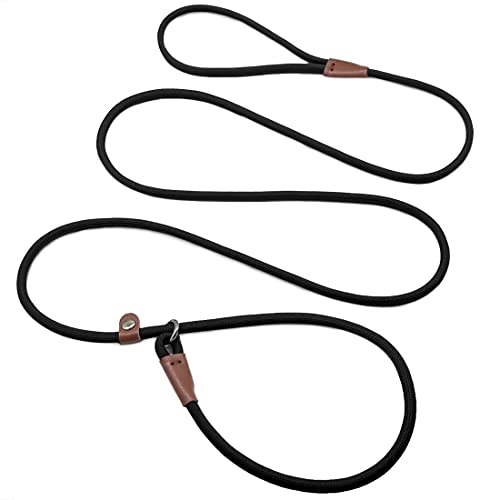
- Standard 4-6 Foot Leash: A standard fabric or leather leash is best. Avoid retractable leashes for training. They keep constant tension on the collar and teach the dog that pulling is normal.
- Treat Pouch: An essential tool for keeping high-value treats easily accessible for rewarding good behavior.
What to Avoid
- Back-Clip Harnesses: These attach the leash to the dog's back. When a dog pulls against a back-clip harness, it actually gives them better leverage to pull, making the problem worse.
- Prong, Choke, and Shock Collars: These tools rely on pain, fear, and intimidation. They can cause physical harm, psychological trauma, and can lead to fear-based aggression. They do not teach the dog what you want them to do.
- Retractable Leashes: These teach constant tension, which is the opposite of what you want. They are also dangerous as they can break or cause injuries.
Step-by-Step Leash Walking Training
This method uses positive reinforcement to teach your dog that walking with a loose leash is the best way to get what they want. Remember to keep sessions short (5-10 minutes) and fun.
Step 1: Master the 'Engage-Disengage' Game at Home
Start inside your house, where there are minimal distractions. Put on your dog's harness and leash.
- Let your dog sniff and explore. Once they are comfortable, stand still and wait. As soon as they look at you, click (if you use a clicker) and reward with a high-value treat. This teaches your dog that focusing on you is rewarding.
- Take a single step. The second the leash goes slack (even for a moment) and your dog is not pulling, reward them with a treat right at your leg. This marks the behavior of walking close to you.
- Practice "turning" games: Walk in a small circle or change direction. When your dog follows you, reward them. This teaches them to pay attention to your movements.
Pro Tip: Use your dog's meal kibble as a low-value treat for this indoor practice, and save high-value treats (like pieces of boiled chicken or cheese) for the more challenging outdoor environment.
Step 2: The "Be a Tree" Method
This is a critical concept to stop the pulling cycle. When your dog pulls, you stop moving and become a tree. You do not move until your dog either looks back at you or moves toward you to release the tension on the leash.
- Start walking. As soon as your dog hits the end of the leash and pulls, stop immediately. Stand still and do not move.
- Wait for your dog to give in. They will eventually turn around, take a step back, or look at you. The moment the leash goes slack, praise them, mark the behavior ("yes!"), and reward them with a treat.
- Continue walking. This teaches your dog: "Pulling means we stop. A loose leash means we go forward." It breaks the self-rewarding cycle of pulling.
Step 3: Use High-Value Rewards Strategically
When you're walking, reward your dog frequently for being in the correct position. This is often called the "Magic Hand." Keep your hand full of treats down at your side, right next to your leg.
- Reward for checking in: Every time your dog looks at you or walks beside you, drop a treat right at their nose level. This reinforces them to stay near you.
- Lure, don't yank: If you need to turn, hold a treat near your dog's nose and gently lure them in the new direction. Reward them for following.
- Change your pace: Practice walking fast, then slow, then stopping. Reward your dog for adjusting to your pace without pulling.
Step 4: Transition to the Real World
Once your dog understands the "Be a Tree" principle and is walking nicely inside, start practicing in a quiet, low-distraction outdoor area, like your backyard or a driveway. Gradually increase the difficulty by walking in your neighborhood, then a park, and finally on a busy street. The more distractions, the higher the value of the treat you should use.
Pro Tip: If you want to teach your dog a specific command for walking by your side, you can introduce a word like "heel" or "with me" once the behavior is reliable. Say the word just as your dog is about to walk in the correct position, and reward. This becomes a cue for the behavior.
Overcoming Common Challenges
Every dog learns at their own pace. Here’s how to handle common hurdles during training.
- Excitement and Lunging: If your dog is over-excited and lunges at people or other dogs, create distance. Practice "watch me" commands or "find it" (scattering treats on the ground) to redirect their focus. Never let your dog practice the behavior of lunging.
- Regression: It's normal for a dog to have a bad day or regress. Go back to a quieter environment and practice the "Be a Tree" method. Increase the treat value to re-engage your dog. The problem is almost always a lack of consistency, not a "stubborn" dog.
- Lack of Focus: Practice short, frequent sessions. A 5-minute focused session is more effective than a 20-minute session where your dog is overstimulated and unfocused. See our guide on socializing your dog to learn how to manage distractions effectively.
Essential Gear for Leash Training
Having the right equipment is crucial. A front-clip harness is often the best choice for training because it gives you gentle control and discourages pulling without causing pain. This is significantly better than a traditional back-clip harness, which can actually encourage pulling.
When selecting a leash, a standard 4 to 6-foot leash is the best choice for training. This length gives your dog enough freedom to sniff and explore while still allowing you to control the walk and practice the "Be a Tree" method. Avoid using retractable leashes during training, as they encourage constant tension on the leash, the opposite of what you are trying to achieve.
Building a Lifetime of Good Walks
Teaching your dog to walk on a loose leash is a process that takes patience and consistency. The key to success is making the correct behavior more rewarding than the incorrect one.
Consistency is the most important factor. Every time you walk your dog, you are training them. If you let them pull on some occasions but not others, they will quickly learn that sometimes pulling works, and they will continue to test you. By consistently applying the methods in this guide—from using a front-clip harness to practicing the "Be a Tree" technique—you are laying the foundation for a life of calm, enjoyable walks with your furry companion.
While leash walking is a fundamental skill, it is just one part of your dog's overall well-being. A structured walk that incorporates sniffing (or "scent work") is also an excellent form of mental stimulation that can help tire them out and lead to a calmer, more relaxed dog at home.
Frequently Asked Questions
Ready for Calmer Walks?
Teaching your dog to walk calmly on a loose leash is one of the most rewarding investments you can make. It will transform your daily routine from a frustrating chore into a peaceful bonding experience. Start practicing with your dog today, and soon, you will both be enjoying the strolls you've always dreamed of. Your dog is relying on you to lead the way, and with these techniques, you can become the confident, calm leader they need.