Toxic Foods for Dogs: The Complete Danger List
Many everyday foods that are safe for humans can be deadly to dogs. Knowing which foods to avoid is critical for keeping your dog healthy. This guide lists the most dangerous foods, explains why they are harmful, and shows you what to do in an emergency.
As a responsible dog owner, it's vital to know which human foods are dangerous for your dog. Many common items in your kitchen—from chocolate to grapes—can cause serious illness or even death. This guide provides the essential information you need to protect your pet. If you suspect your dog has eaten something toxic, contact your veterinarian or a pet poison control center immediately.
Common Toxic Foods for Dogs
The following list includes the most common and dangerous foods for dogs. Even small amounts can be toxic, depending on the item and the size of your dog. Always keep these foods securely out of your dog's reach.
- Chocolate HIGHLY TOXIC
Contains theobromine and caffeine. Dark chocolate and baking chocolate are the most dangerous. Symptoms include vomiting, diarrhea, rapid breathing, seizures, and cardiac arrest. - Grapes and Raisins HIGHLY TOXIC
Can cause acute kidney failure. Even a small amount can be deadly. The toxic mechanism is still unknown. Symptoms include vomiting, lethargy, and loss of appetite. - Onions and Garlic TOXIC
All forms (raw, cooked, powdered) contain thiosulfate, which damages red blood cells and causes anemia. Garlic is more concentrated and therefore more toxic. - Xylitol HIGHLY TOXIC
An artificial sweetener found in sugar-free gum, candy, and some peanut butters. Causes rapid insulin release, leading to severe hypoglycemia (low blood sugar) and liver failure. - Macadamia Nuts TOXIC
Can cause weakness, vomiting, tremors, and hyperthermia. The exact toxin is unknown. Usually not fatal but very uncomfortable for your dog. - Avocado TOXIC
Contains persin, which can cause vomiting and diarrhea. The pit is also a choking hazard. While some dogs may tolerate small amounts, it's best to avoid it entirely. - Alcohol and Caffeine HIGHLY TOXIC
Both are dangerous for dogs. Alcohol can cause intoxication, breathing problems, and coma. Caffeine can lead to hyperactivity, seizures, and cardiac issues. - Cooked Bones DANGEROUS
Cooked bones can splinter and cause internal damage or blockages. Never feed your dog cooked poultry or fish bones.
Why These Foods Are Dangerous
Dogs process foods differently than humans. Some substances that are perfectly safe for us are toxic to them.
- Theobromine (in chocolate): Dogs metabolize theobromine much slower than humans, allowing it to build up to toxic levels. It affects the central nervous system and heart.
- Thiosulfate (in onions/garlic): This compound damages the hemoglobin in red blood cells, leading to hemolytic anemia.
- Xylitol: In dogs, xylitol is rapidly absorbed into the bloodstream, causing a massive release of insulin that drops blood sugar to dangerous levels.
- Oxalates (in grapes/raisins): These compounds can cause kidney damage, though the exact mechanism is still being researched.
Remember: The size of your dog matters. A small dog can be severely affected by a much smaller amount of toxin than a large dog. Always err on the side of caution.
Signs of Food Poisoning in Dogs
Symptoms can appear within minutes or hours after ingestion. If you notice any of these signs and suspect your dog has eaten something toxic, contact your vet immediately. Do not wait for symptoms to worsen.
- Vomiting or diarrhea (sometimes with blood)
- Lethargy and weakness
- Loss of appetite
- Excessive drooling or panting
- Tremors, seizures, or uncoordinated movement
- Abdominal pain or bloating
- Increased thirst or urination
- Rapid heart rate or breathing
⚠️ EMERGENCY ACTION PLAN:
If you think your dog has eaten a toxic food:
- Stay calm. Panicking will not help your dog.
- Remove any remaining toxic food from your dog's reach.
- Call your veterinarian or a pet poison helpline (like the ASPCA Animal Poison Control Center at (888) 426-4435) immediately.
- Do not induce vomiting unless instructed to do so by a professional. Some substances cause more damage when vomited.
- If possible, have the packaging or a sample of the food ready to show the vet.
Safe Alternatives & Healthy Treats
Instead of dangerous human foods, offer your dog healthy, dog-safe treats. Many high-quality dog treats are available that are both tasty and nutritious. You can also offer safe fruits and vegetables in moderation.
- Safe Fruits: Apples (without seeds), bananas, blueberries, strawberries, and watermelon (seedless).
- Safe Vegetables: Carrots, cucumber, green beans, and sweet potatoes (cooked).
- Safe Proteins: Plain, cooked chicken, turkey, or lean beef (without seasoning or bones).
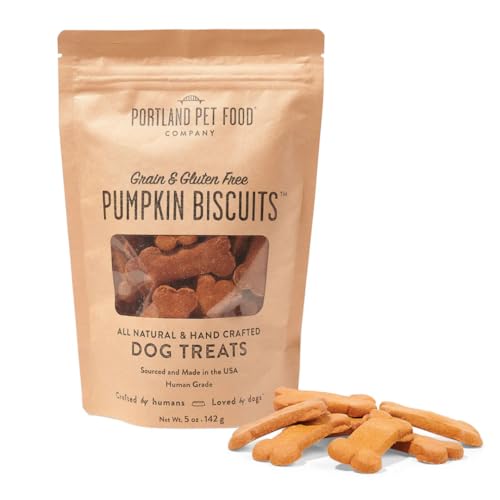
💡 Smart Shopping: When choosing dog treats, always check the ingredient list for xylitol and avoid products with excessive fillers. Consider high-quality, natural treats from reputable brands. You can find excellent options in our recommended dog products section.
How to Prevent Food Poisoning
Prevention is always better than treatment. Here are some practical steps to keep your dog safe:
- Store food securely: Keep toxic foods in closed cabinets or high places out of your dog's reach. Consider child-proof locks for lower cabinets.
- Be mindful at parties: Guests may not know what foods are dangerous. Keep an eye on the floor and trash cans during gatherings.
- Check ingredient labels: Before giving your dog any human food, look for toxic ingredients like xylitol, garlic, or onion powder.
- Train your dog: Teach the "leave it" command to prevent scavenging. This is especially useful during walks. Consider our guide on loose leash walking to prevent them from picking up street food.
- Keep your vet's number handy: Have the contact information for your regular vet and the nearest emergency pet clinic easily accessible.
Frequently Asked Questions
Your Dog's Safety is in Your Hands
Knowing which foods are toxic is the first step in protecting your dog. Equipping your home with safe, healthy alternatives and having a plan in place for emergencies will give you peace of mind. If you're looking for safe, vet-recommended treats and food to keep your dog happy and healthy, explore our selection of premium dog products. We've curated options that prioritize your dog's well-being.