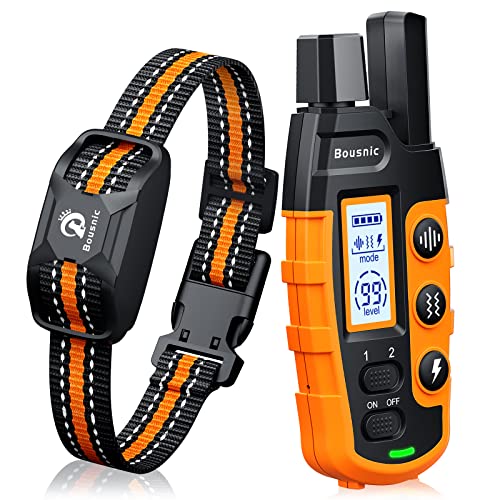
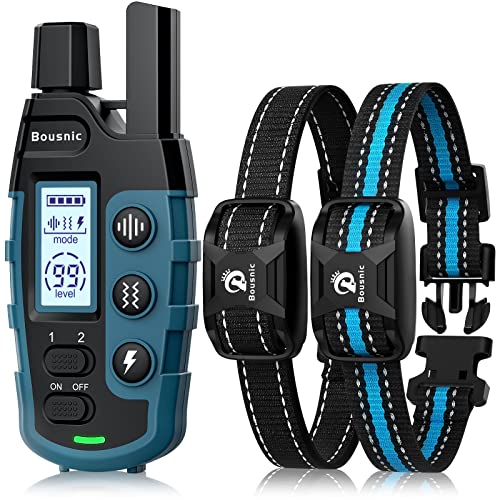
Training Collar for Dogs with Remote: The Complete Guide
Everything you need to know before buying a remote training collar — how e-collars work, which features matter, safety rules, training methods, and how to choose the right device for your dog.
A remote training collar — often called an e-collar or electronic collar — is one of the most misunderstood tools in dog training. Used correctly, it can reinforce recall at a distance, stop dangerous behaviors like chasing livestock or running toward roads, and give your dog more off-leash freedom. Used incorrectly, it can create fear, anxiety, and lasting behavioral damage.
This guide is written for owners who have already decided they want a remote training collar and are now researching which type to buy. We will walk you through how these devices actually work, which features matter in real training scenarios, how to introduce one humanely, and what to look for before you spend money. If you are still deciding whether an e-collar fits your training plan, our overview of dog training methods is a good place to start.
What Is a Remote Training Collar?
A remote training collar consists of two parts: a collar receiver worn by the dog and a handheld remote transmitter operated by the handler. The remote sends a signal — tone, vibration, or a mild static stimulation — to the receiver, allowing you to communicate with your dog at a distance.
The purpose is not punishment. In modern, professional training, the e-collar is used as a communication tool. Tone and vibration modes can act as a recall cue or attention marker. Low-level static stimulation is used to reinforce a command the dog already knows — not to teach a new behavior and certainly not to punish after the fact.
Important distinction: A remote training collar is different from a bark collar (which activates automatically when the dog barks) and from a containment fence collar (which activates near a boundary). Remote collars give the handler full control over when and how a signal is delivered.
Tone, Vibration & Static Stimulation Modes
Understanding the three signal types is essential before comparing products. Almost every modern remote collar offers at least two of them.
- Tone (beep): An audible sound from the collar. Dogs quickly learn that the beep predicts a command or marks a correct choice. It is the gentlest mode and is often used as a recall cue once conditioned.
- Vibration: A physical buzz similar to a phone vibrating. It provides a tactile cue that works even in noisy environments and is the primary mode for deaf dogs. Many trainers use vibration as a "tap on the shoulder" to get attention before giving a verbal command.
- Static stimulation: A mild electrical sensation delivered through contact points touching the skin. Quality devices offer 1-100 levels, starting at a level barely perceptible to the dog. It is used only at the lowest effective level and only to reinforce known commands — never as a punishment.
Some collars also include a "boost" or "jump" button for a momentary higher level, and many remotes can control two or three collars for multi-dog households. If your dog has hearing loss, a vibration-focused collar is the right choice; for general obedience, tone plus adjustable static covers most needs.
Types of Remote Training Collars
Remote collars fall into roughly three tiers of quality and capability. These tiers reflect build quality, receiver reliability, and training features — not brand names.
Entry-Level Collars
Basic tone and static modes, simple remotes, and shorter range. Suitable for backyard recall training and calm dogs. Build quality is functional but less durable in wet or rough conditions.
Budget-friendlyMid-Range Collars
Finer stimulation steps, vibration mode, longer battery life, and weather resistance. The sweet spot for most owners — smooth level adjustment and reliable signal at moderate distances.
Mid-tierPremium Collars
Long range, precise low-level stimulation, multi-dog support, rugged waterproof receivers, and ergonomic remotes. Designed for field work, hunting, and professional training.
High-endSpecialty & Vibration-First Collars
Devices optimized for deaf dogs, senior dogs, or owners who prefer to avoid static entirely. May include vibration-only modes, tone, and a "no-static" lockout feature.
SpecializedKey Features to Compare Before Buying
When you compare remote collars side by side, these are the specifications that actually affect day-to-day training. A collar with the wrong fit for your dog's size or your training goals will frustrate you regardless of brand.
| Feature | Why It Matters | What to Look For |
|---|---|---|
| Stimulation levels | Precise low levels let you work below the dog's threshold | At least 50 levels; 100 preferred for fine tuning |
| Signal modes | Tone and vibration are gentler first steps | All three modes; vibration-only option |
| Range | Must cover your training environment | 300 yards for yards; 900+ for field work |
| Receiver size & weight | Comfort for small and toy breeds | Small receivers under 2 oz for small dogs |
| Water resistance | Rain, swimming, wet grass | IPX7 or fully waterproof receiver |
| Battery life | Reliability on long training days | Rechargeable; 20+ hours typical use |
| Multi-dog support | Train two dogs from one remote | Expandable to 2-3 collars |
| Safety lock | Prevents accidental high stim | Level lock or no-static mode |
For very small dogs, check receiver dimensions carefully — a bulky receiver can shift on the neck and rub. Owners of toy breeds should look for compact receivers and consider starting with tone and vibration only. If your dog is a heavy chewer or lives an outdoor lifestyle, prioritize durability over extra features.
Choosing the Right Range
Range is the specification owners overestimate most often. Advertised range is measured in ideal conditions — open line of sight, no obstacles, dry weather. In real training, hills, trees, buildings, and even dense brush reduce effective range substantially.
Match Range to Your Training Area
- Backyard only: 300-500 yards is plenty. Most suburban yards are far smaller than the collar's capability.
- Neighborhood walks & parks: 500-900 yards gives comfortable margin around corners and obstacles.
- Open field, hiking, hunting: 900-1,600 yards or more. Signal reliability matters more than maximum number here.
If you plan to use a GPS tracker alongside the collar, read our guide to tracking devices for dogs to understand how the two tools complement each other.
Practical tip: Buy one tier of range above what you think you need. A mid-range collar with a strong receiver often outperforms a budget collar advertising twice the range. Signal stability and battery consistency matter more than the number on the box.
Safety Rules & Proper Fit
Safety is not a feature you buy — it is a set of practices you follow. These rules apply to every remote collar regardless of quality.
- Fit the collar high on the neck. The receiver should sit just behind the ears, snug enough that contact points touch skin. You should be able to fit roughly two fingers under the strap — no more. A loose collar shifts and delivers inconsistent stimulation.
- Start at the lowest level and work up. Find your dog's "working level" — the lowest setting that produces a subtle acknowledgment (ear flick, head turn) without distress. Most dogs work well below level 20 on a 100-level system.
- Never leave the collar on unattended. Remove it after every training session. Constant wear causes pressure sores and can lead to collar-wise behavior where the dog only responds when wearing it.
- Do not use on puppies under 6 months. Consult your vet and a professional trainer. Young dogs are still developing physically and emotionally; foundational obedience and socialization come first.
- Avoid use on dogs with health conditions. Heart conditions, epilepsy, and certain skin sensitivities require veterinary clearance before any e-collar use.
- Never use the collar in anger or as punishment. Stimulation after the fact is confusing and damaging. The collar marks behavior in the moment — it does not discipline retroactively.
Rule of thumb: If you would not feel comfortable explaining exactly how and when you use the collar to a certified trainer, do not use it that way. When in doubt, consult a professional experienced with e-collars. Our guide on when to see a behaviorist can help you decide if professional support is warranted before introducing the tool.
How to Train with a Remote Collar
The collar is not a shortcut — it is an amplifier of training you have already done. The standard process follows these stages:
- Build the behavior on a long line first. Teach recall, "leave it," and "place" with positive reinforcement and a long leash. Your dog should already understand the command before the collar appears.
- Condition tone and vibration. Pair the tone with treats until your dog visibly anticipates a reward when hearing the beep. This turns the tone into a positive marker.
- Find the working level. With the collar fitted correctly, deliver a brief low-level stim while your dog is distracted. Increase one level at a time until you see a subtle acknowledgment. That is the working level.
- Layer the collar over known commands. Give a known command (e.g., "come"), then use tone, then low-level stim only if needed. Reward immediately when the dog responds. The dog learns the stim means "follow the command you already know."
- Generalize gradually. Move from your yard to parks, then to higher-distraction environments. Each new location is easier when the foundation is solid.
- Fade the stim. Over time, tone alone and eventually verbal cues take over. The collar becomes a safety backup rather than a constant tool.
This is a simplified outline. Professional e-collar training programs typically span weeks and emphasize timing, reward placement, and clear communication. For owners starting from zero, a structured approach through positive dog training combined with professional guidance produces the best results.
Common Mistakes to Avoid
- Using the collar to teach a new behavior. The e-collar reinforces known commands; it does not explain them. Teach first, layer later.
- Starting too high. A dog's first stim should be barely noticeable. Starting at a high level creates fear and can make the dog collar-shy for life.
- Using it as punishment. Zapping a dog for barking, running away, or coming slowly destroys trust. Punishment-based e-collar use is both ineffective and damaging.
- Leaving it on all day. Continuous wear causes pressure sores and teaches the dog to ignore signals. Training sessions only.
- Skipping the long line stage. Dogs need to understand the command before the collar can reinforce it. Rushing this step creates confusion.
- Ignoring the dog's stress signals. Lip licking, yawning, tail tucking, and avoidance during training mean you need to back off, lower the level, and rebuild positive associations.
- Buying without fit research. A receiver too large for a small dog is uncomfortable and shifts. Measure your dog's neck and check receiver dimensions before purchasing.
Alternatives to Consider First
A remote collar is one tool among many. For some training goals, a different approach works better or should come first:
- Long line and harness: For recall training in open areas, a 30-foot long line combined with a well-fitted dog harness teaches the same skills without electronic stimulation.
- Pulling and walking issues: If the main problem is leash pulling, a no-pull harness or front-clip setup often solves it without a remote collar. See our guide on how to stop dog pulling.
- Jumping and impulse control: Many behavior issues respond to management and reward-based training. Our article on stopping dog jumping covers practical steps.
- Anxiety-related behaviors: If your dog's issues stem from anxiety, an e-collar can worsen the problem. Explore calming products and consult a behaviorist before considering aversive tools.
The right choice depends on your dog, your training environment, and the specific behavior you need to address. A remote collar is most useful for reliable off-leash recall and distance work — for everything else, simpler tools are often safer and more effective.
Frequently Asked Questions
Before You Buy — The Short Version
Choose a remote collar with fine low-level stimulation, tone and vibration modes, and a receiver that fits your dog comfortably. Start training on a long line, condition the tone with treats, find your dog's working level, and layer the collar over commands your dog already knows. Never use it as punishment, never leave it on all day, and consult a professional if you are unsure. The best collar for your dog is the one that fits well, communicates clearly, and supports the training relationship you have already built.