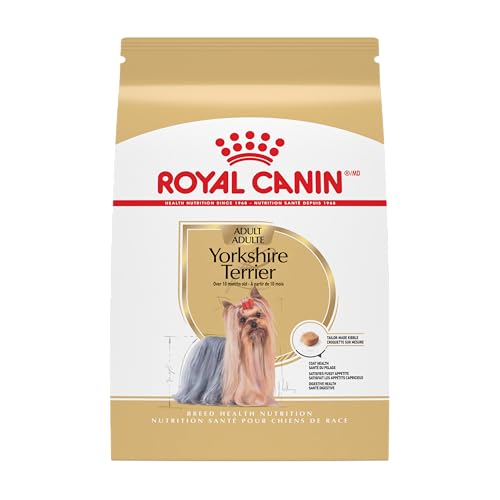
The Ultimate Yorkshire Terrier Breed Guide
Explore the world of the Yorkshire Terrier, a tiny dog with a giant personality. This comprehensive guide will walk you through their history, unique temperament, grooming needs, and how to provide the best care for your Yorkie.
Introduction to the Yorkshire Terrier
The Yorkshire Terrier, affectionately known as the "Yorkie," is a breed that captures hearts with its feisty, confident personality and stunning, silky coat. Despite their small stature, they possess a bold, energetic spirit that makes them a true terrier at heart. Originally bred in England to catch rats, the modern Yorkie has transitioned into a beloved companion and show dog.
Yorkies are one of the most popular toy breeds globally, prized for their portability, loyalty, and low-shedding coats. However, they are not simply "lap dogs" for everyone. They require significant grooming, consistent training, and a family that can appreciate their big-dog attitude. They form deep bonds with their owners and thrive on attention and affection.
Personality & Temperament
The Yorkshire Terrier's personality is best described as a "big dog in a small dog's body." They are adventurous, curious, and often unaware of their size, which can sometimes lead to them challenging much larger dogs. This fearless nature is a hallmark of the terrier group.
Within their families, Yorkies are incredibly affectionate and loyal. They love to be involved in all activities and often form a particularly strong bond with one person. While they are generally good with children, their small size makes them fragile, and they are best suited to homes with older, respectful children who understand gentle handling. They are known to be vocal, often barking to alert their family of strangers or anything they perceive as unusual, making them excellent little watchdogs. Their sensitivity means they respond best to positive, gentle training methods.
Expert Insight: Yorkies are highly intelligent and sensitive. Harsh training methods can break their spirit and lead to anxiety. Positive reinforcement, patience, and consistency are the keys to a happy, well-adjusted Yorkie.
History & Origin
The history of the Yorkshire Terrier begins in the county of Yorkshire in England during the mid-19th century. Industrial revolution workers from Scotland migrated to England, bringing with them several terrier breeds. These dogs were used to catch rats in the textile mills and coal mines.
Through the crossbreeding of these Scottish terriers with other local types, a new breed emerged: the Yorkshire Terrier. One of the most influential early Yorkies was a dog named Huddersfield Ben, born in 1865, who is considered the father of the modern breed. His descendants set the standard for the breed's distinctive blue and tan coat and compact size. The breed was officially recognized by the Kennel Club in England in 1886 and quickly gained popularity as a glamorous companion dog, moving from the mills to the laps of Victorian ladies.
Grooming & Coat Care
Grooming is arguably the most significant commitment a Yorkshire Terrier owner will face. Unlike most dog breeds, Yorkies have hair, not fur, which is more similar to human hair. This means it grows continuously and sheds minimally, making them a good choice for some allergy sufferers. However, this also means they require intensive, lifelong grooming.
Grooming Essentials for Yorkies
- Daily Brushing: This is non-negotiable. Their fine hair is prone to tangles and mats, which can be painful and cause skin issues. Use a high-quality pin brush and comb.
- Professional Grooming: Plan for a visit to a groomer every 4-6 weeks for a haircut and proper maintenance. This prevents the coat from becoming unmanageable.
- Bathing: Bathe every 2-3 weeks with a high-quality dog shampoo and conditioner. Ensure you rinse thoroughly to avoid skin irritation.
- Coat Length: You can keep a Yorkie in a short "puppy cut" for easier maintenance or a long, floor-length coat that requires meticulous care, often seen in show dogs.
Other Care Tasks
- Dental Care: Yorkies are highly prone to dental disease. Daily teeth brushing is recommended to prevent tooth loss and systemic health issues.
- Nail Trimming: Like all dogs, their nails should be trimmed regularly, typically every 3-4 weeks.
- Ear Cleaning: Their ears should be checked weekly and cleaned with a vet-approved ear cleaner to prevent infections.
- Eye Care: Tear stains are common in Yorkies. Wipe their eyes daily and consider a tear-stain remover approved by your vet.
Training & Exercise Needs
Despite their small size, Yorkshire Terriers need both mental and physical stimulation to stay happy and well-behaved. A bored Yorkie can develop behavioral problems like excessive barking or destructiveness.
Exercise Requirements
- Daily Walks: A 20-30 minute walk per day is usually sufficient. They enjoy exploring and sniffing, so let them take their time.
- Indoor Play: Yorkies can get a lot of exercise indoors. Games of fetch, chase, or tug-of-war are great for burning energy in a small space.
- Mental Stimulation: Interactive toys, puzzle feeders, and short training sessions are essential for their intelligent minds.
- Playtime, Not Just Cuddle Time: It's easy to treat a tiny dog as a lap ornament, but they need active playtime to stay fit and prevent obesity.
Training a Yorkshire Terrier
Yorkies are intelligent but can be stubborn, which can make training a test of patience. Positive reinforcement is the most effective method. Use high-value treats and keep training sessions short and fun.
- House Training: This can be a significant challenge. Consistency is key. Take them out frequently, especially after meals and naps, and reward generously for success. Consider using potty pads as an alternative if you live in an apartment.
- Socialization: Early and ongoing socialization is vital to prevent a small breed from becoming fearful or aggressive. Expose them to different people, dogs, sounds, and environments.
- Barking: Yorkies are known for being vocal. While you can't stop them from barking entirely, you can train a "quiet" command and address the root cause of the barking.
Health & Veterinary Care
Like all purebreds, Yorkshire Terriers are predisposed to certain health conditions. Being aware and proactive with your vet can help you manage these issues effectively.
Common Health Issues in Yorkies
- Dental Disease: The most common problem. Small mouths mean teeth are crowded and prone to tartar buildup, leading to gum disease and tooth loss. Regular at-home care and professional cleanings are essential.
- Tracheal Collapse: A condition where the rings of the trachea weaken, leading to a chronic cough. Use a harness instead of a collar to avoid putting pressure on the throat.
- Luxating Patella: A common knee problem where the kneecap slips out of place. This can cause lameness and often requires surgery in severe cases.
- Portosystemic Shunt: A liver condition where blood bypasses the liver, preventing it from properly filtering toxins. This can cause stunted growth and neurological symptoms.
- Pancreatitis: Inflammation of the pancreas, often triggered by high-fat diets. It's important to monitor their food intake and avoid fatty table scraps.
Preventative Care: Regular veterinary checkups are crucial. A high-quality diet, a healthy weight, daily teeth brushing, and proper grooming are the pillars of preventative health. If you notice a cough, limping, or digestive upset, consult your vet promptly.
Feeding & Nutrition
Feeding a Yorkshire Terrier a proper diet is vital for their health. Because they are a small breed, their nutritional needs are specific. They require a high-quality diet with a good balance of protein, fat, and carbohydrates.
Dietary Guidelines for Yorkies
- Life Stage: Feed a formula designed for their life stage. Puppies need food for growth, and seniors benefit from food for aging bodies.
- Breed Size: Small-breed kibble is often recommended as it's easier for their tiny mouths to chew and helps reduce plaque.
- High-Quality Protein: Look for real meat like chicken or lamb as the first ingredient to support their energy and muscle mass.
- Portion Control: It's easy to overfeed a small dog. Follow the feeding guidelines on the bag and measure their food accurately.
- Pancreatitis Prevention: Avoid high-fat foods and table scraps, which can trigger this serious condition.
If you're considering a homemade diet for your small dog, it's vital to get it right. A study by the Dog Aging Project found that most homemade diets are nutritionally incomplete. Always work with a veterinary nutritionist to formulate a balanced plan for your Yorkie.
Frequently Asked Questions
Is a Yorkie the Right Dog for You?
Bringing a Yorkshire Terrier into your life is a decision that should not be taken lightly. Their small size is deceptive; they demand a significant investment in grooming, training, and attention. In return, they offer immense love, loyalty, and a vibrant, entertaining personality that will fill your home with joy.
If you are ready for the commitment, a Yorkie will be a wonderful companion. Make sure you have the right supplies, starting with a comfortable bed, a safe harness, and quality grooming tools.