The Complete Guide to Adopting a Newfoundland Dog
Thinking about adopting a Newfoundland? Discover why these gentle giants make incredible family companions and learn everything you need to know about their care, training, and health to ensure a lifetime of happiness.
If you are considering opening your home to a dog with a heart as vast as its size, a Newfoundland might be the perfect addition to your family. Known for their sweet disposition, remarkable intelligence, and natural lifesaving instincts, Newfoundlands are truly special. This comprehensive guide will walk you through everything you need to know about adopting a Newfoundland dog, from understanding their unique needs to finding the right rescue or adoption pathway for you. Let's dive into the world of this majestic giant breed, often lovingly called the "Newfie."
Why Choose to Adopt a Newfoundland?
Adopting any dog is a profound act of kindness, and choosing to adopt a Newfoundland is particularly rewarding. These gentle giants are often surrendered due to circumstances unrelated to their behavior—sometimes due to a family's inability to manage their size or unexpected life changes. By adopting, you not only give a deserving dog a second chance but also gain a loyal and loving companion who will fill your home with warmth. Adoption is also a more affordable way to welcome this breed into your life, as reputable rescues often cover initial veterinary costs.
Did you know? Newfoundlands are legendary for their water rescue abilities. Their webbed feet, powerful build, and thick, water-resistant coat make them natural-born swimmers. They are often referred to as the "gentle giants" of the dog world, known for their patient and protective nature, especially around children.
Temperament & Personality: The Gentle Giant
The Newfoundland's temperament is arguably their most endearing quality. They are renowned for being sweet-tempered, patient, and exceptionally devoted to their families. This breed is often described as a "nanny dog" because of their instinct to watch over and protect children. Their calm and easygoing nature makes them a wonderful addition to families with children, although supervision is always recommended due to their sheer size.
Key Personality Traits
- Gentle: Known for their soft mouth and gentle interactions, especially with children.
- Patient & Tolerant: Their laid-back attitude makes them excellent family dogs who can handle a bustling household.
- Intelligent & Trainable: They are eager to please, making training a rewarding experience.
- Loyal & Protective: They form deep bonds with their owners and have a natural protective instinct, though they are not typically aggressive.
- Sweet-Natured: They are known for their love and devotion, often leaning against their owners for affection.
Is a Newfoundland Right for Your Lifestyle?
Newfoundlands thrive in environments where they are included in family activities. They are not suited for life in a kennel or being left alone for extended periods. They love being around their people and require ample space to rest—yes, they are known for taking up a lot of couch real estate. Their moderate energy levels mean they are just as happy to lounge as they are to accompany you on a hike.
Essential Care & Grooming for a Newfoundland
Owning a Newfoundland comes with specific care requirements, primarily due to their thick double coat and large size. Regular grooming is non-negotiable. Their dense, water-resistant coat requires weekly brushing to prevent mats and reduce shedding, with daily brushing during shedding seasons. You'll also need to manage their drool—yes, they do drool quite a bit—so having drool towels on hand is a practical tip for any Newfie owner.
- Brushing: Invest in a high-quality undercoat rake and a slicker brush. Brush thoroughly at least 2-3 times a week to prevent matting and distribute natural oils.
- Bathing: Bathe your Newfoundland every 2-3 months or when they get dirty. Use a gentle, dog-specific shampoo designed for thick coats. Ensure you dry them completely, especially the undercoat, to prevent skin issues.
- Ear Cleaning: Their floppy ears are prone to infections. Check and clean them weekly with a vet-approved solution.
- Nail Trimming: Regular nail trims are essential. With a giant breed, overgrown nails can lead to mobility issues and joint pain.
Exercise Needs: Balancing Activity and Rest
Despite their powerful build, Newfoundlands have relatively moderate exercise needs. They are not a high-energy breed like some working dogs. A daily routine of 45–60 minutes of exercise is usually sufficient to keep them healthy and happy. This can include a long walk, a swim (which they absolutely adore), or light play. Their thick coat makes them prone to overheating, so it's crucial to avoid strenuous activity during the hottest part of the day.
Pro Tip: Exercise that provides mental stimulation is just as important as physical activity for this intelligent breed. Consider using puzzle toys or incorporating training sessions into their daily walk to keep their minds sharp.
- Ideal Activities: Swimming, leisurely walks, hiking, and cart-pulling (a historical job for the breed).
- Watch for Overheating: Newfies are sensitive to heat. Provide plenty of water and shade, and limit exercise on hot days.
- Joint Health: Avoid high-impact jumping and strenuous running on hard surfaces, especially during their growth phase, as they are prone to hip and elbow dysplasia.
Health & Common Issues: What to Watch For
Newfoundlands are generally a healthy breed, but like all large breeds, they are predisposed to certain health conditions. Being aware of these issues is key to providing proactive care and catching problems early. Their average lifespan is between 8–10 years.
Common Health Concerns
- Hip Dysplasia: A common condition where the hip joint doesn't develop properly, leading to arthritis.
- Bloat (GDV): A life-threatening condition where the stomach twists. This is an emergency.
- Heart Disease: Subvalvular aortic stenosis (SAS) is a congenital heart condition common in the breed.
- Arthritis: A typical concern for giant breeds as they age.
- Eye Issues: Such as ectropion (drooping eyelids) and cataracts.
Proactive Health Care
- Regular Vet Checkups: Schedule annual wellness exams and semi-annual checkups for seniors.
- Weight Management: Keeping your Newfie at a healthy weight is crucial for their joints.
- Preventive Medication: Follow your vet's recommendations for flea, tick, and heartworm prevention.
- Hip and Elbow Screening: If adopting from a breeder, ensure they have health clearances. For rescues, discuss the dog's health history.
Training Your Gentle Giant: Tips for Success
Training a Newfoundland is generally a joyful experience due to their eagerness to please and high intelligence. They respond best to positive reinforcement techniques, as they can be sensitive to harsh corrections. Early and consistent training is essential, especially given their size—a 150-pound dog that hasn't learned leash manners can be a handful.
- Start Early: Begin training and socialization as early as possible, ideally from puppyhood. Expose them to various environments, people, and other animals in a positive way.
- Use Positive Reinforcement: Reward good behavior with treats, praise, and play. This method builds a strong bond of trust and cooperation.
- Be Consistent: Consistency is key. Everyone in the household should use the same commands and rules to avoid confusion.
- Focus on Leash Training: Teach loose-leash walking from day one. A front-clip harness can be a helpful training tool for managing a powerful dog.
- Address Common Behaviors: Their size means they can inadvertently knock over small children. Teaching them not to jump up is a critical skill.
Why Positive Training Matters: Newfoundlands are a sensitive breed. Negative training methods or punishment can damage your bond and lead to fearfulness. They flourish in an environment of kindness and clear communication. Their strong desire to please makes them a joy to teach with positive reinforcement.
Nutrition & Feeding Your Newfoundland
Feeding a giant breed like a Newfoundland requires careful attention. They need a high-quality diet formulated for large breeds, especially during their rapid growth phase to support bone and joint development. Overfeeding can lead to obesity, which stresses their joints and can shorten their lifespan.
- Puppy Food: Choose a large-breed puppy food that is balanced for controlled growth. Avoid overfeeding to prevent rapid growth that can contribute to joint issues.
- Adult Food: Switch to a high-quality adult large-breed food around 18–24 months of age. Look for dog food for large dogs that features real meat as the first ingredient.
- Portion Control: Follow the feeding guidelines on the food packaging but adjust based on your dog's age, activity level, and body condition. You should be able to feel their ribs without a thick layer of fat.
- Bloat Prevention: To reduce the risk of bloat, feed smaller, more frequent meals instead of one large meal. Avoid vigorous exercise right before and after eating.
The Newfoundland Adoption Process: Step by Step
Adopting a Newfoundland is a fulfilling journey. The process may vary depending on whether you go through a rescue organization, a shelter, or a private rehoming situation. The adoption process guide can offer a broad overview of what to expect, but here's a more specific breakdown for this majestic breed.
- Research and Self-Assessment: Evaluate your lifestyle to ensure you can meet a Newfoundland's needs. Consider your space, time commitment, and ability to afford a giant breed.
- Find a Reputable Rescue or Shelter: Look for breed-specific rescues like the Newfoundland Club of America's Rescue program. Use sites like Petfinder or contact local shelters to see if they have Newfoundlands.
- Submit an Application: The application typically includes questions about your experience, home environment, family members, and other pets.
- Home Visit and Interview: Many rescues conduct a home visit to ensure your home is safe and suitable for a giant breed.
- Meet the Dog: This is a crucial step. Spend time with the dog to ensure a good personality match for your family.
- Adoption Fee and Final Steps: Pay the adoption fee, which is often between $250 and $600, and cover any remaining medical costs. Then, it's time to bring your new family member home!
Frequently Asked Questions About Adopting a Newfoundland
Ready to Welcome a Newfie into Your Home?
Adopting a Newfoundland is a commitment to a large, lovable, and loyal companion who will enrich your life in countless ways. With proper care, training, and lots of affection, these gentle giants flourish. We encourage you to contact a breed-specific rescue to learn more. They can provide guidance, share the dog's history, and help you find the perfect match. Your new best friend is out there, waiting for you to take that first step.
Top-Recommended Supplies for Your Newfoundland
⚠️ AFFILIATE DISCLOSURE: This website contains affiliate links. As an Amazon Associate, we earn from qualifying purchases. If you make a purchase through these links, we may receive a small commission at no additional cost to you. Read our full affiliate policy.

Douglas Bundy Newfoundland Dog Plush Stuffed Animal

Advivio Adopt Me Foster Dog Bandana Scarf, Funny Adopt Me Bandanas for Dogs

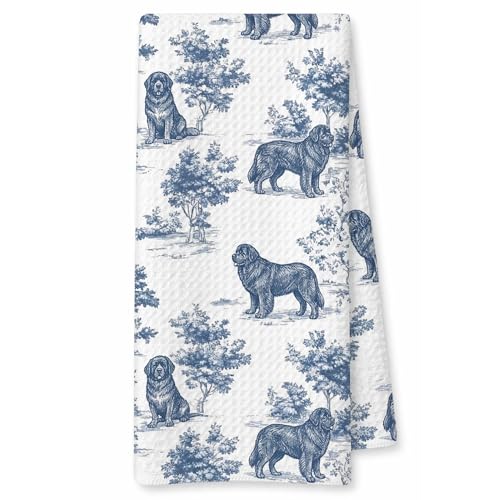
ArtisaEura Newfoundland Funny Dog Kitchen Towels - A Kitchen is Not Complete Without A Newfoundland Waffle Weave Hand Towels for Bathroom for Home Bathroom Decor,16×24 Inch

Newfoundland Dog Birthday Card | Handmade Black Newfie Single Greeting Card | Party Hat | Blank Inside

Qycazzw Newfoundland Dog Blanket Gifts for Women Girls Kids Dog Lovers, Puppy Flannel Blankets, Warm Cozy Soft Throw for Bedroom, Camping, Couch, Decor 50x60 in

Funny Newfoundland Birthday Card - Hey! I Just Want To Say Happy Birthday - Cute Dog Greeting Card For Dog Lovers- Men- Women And Kids - Humorous And Adorable Gifts Card Ideal

InnoBeta Newfoundland Dog Gifts for Women, Large Capacity Canvas Tote Bag