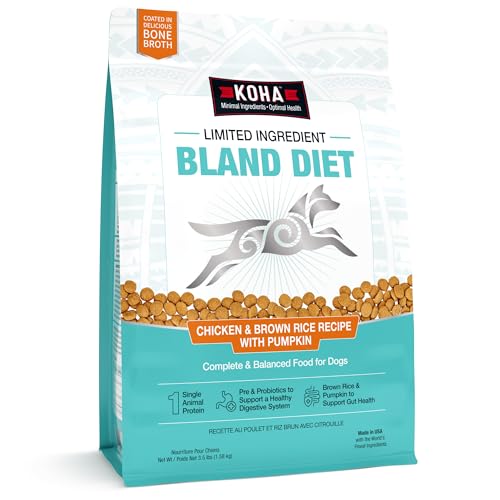
Bland Diet for Dog with Upset Stomach
A complete, vet-approved guide to soothing your dog's digestive distress with a bland diet. Learn what to feed, how to prepare it, and when to seek professional help.
When your dog has an upset stomach, it can be a distressing experience for both of you. Vomiting, diarrhea, and loss of appetite are signs that your dog's digestive system needs a break. A bland diet is a proven, vet-recommended way to soothe your dog's stomach and help them recover. This guide walks you through everything you need to know about implementing a bland diet safely and effectively.
What Is a Bland Diet for Dogs?
A bland diet is a simple, highly digestible meal plan designed to give your dog's gastrointestinal (GI) tract a rest. It consists of a single source of lean protein and a single source of easily digestible carbohydrates. The goal is to provide essential nutrients while minimizing the workload on the stomach and intestines.
This approach is a temporary measure, not a long-term feeding solution. It's a tool to help your dog's digestive system reset and recover from mild to moderate digestive upset.
Key Principle: The bland diet should be low-fat, low-fiber, and highly digestible. Fat and fiber can be hard for a sensitive stomach to process, which is why they are minimized in this diet.
What Does a Bland Diet Do?
- Gives the GI tract a chance to heal from irritation or inflammation
- Provides easily absorbed nutrients to prevent malnutrition during illness
- Helps settle the stomach and reduce the urge to vomit
- Allows you to monitor your dog's appetite and stool consistency
- Often more palatable than regular food for a dog with a reduced appetite
When to Use a Bland Diet
Knowing when to implement a bland diet is crucial. It's generally recommended for dogs experiencing mild to moderate digestive upset. Here are the most common scenarios:
- Vomiting: Occasional vomiting without other severe symptoms.
- Diarrhea: Soft or liquid stools, but your dog is still drinking water and acting relatively normal.
- Loss of appetite: Your dog is uninterested in their usual food.
- Post-dental procedure: Some vets recommend a soft, bland diet after a dental cleaning or extraction.
- Recovery from mild illness: After a bout of stomach flu or food indiscretion.
Pro Tip: If your dog is vomiting profusely, has bloody diarrhea, or appears lethargic, do not start a bland diet. These are signs of a more serious condition that requires immediate veterinary attention. Learn when to see a professional.
Best Foods for an Upset Stomach
Choosing the right ingredients is vital for a successful bland diet. The following foods are gentle on the stomach and have been proven effective by veterinarians.
Lean Protein Sources
- Skinless, Boneless Chicken Breast: Boiled or baked. It's the most popular choice due to its low fat content and high digestibility.
- Lean Ground Turkey: Boiled and drained of all fat. Ensure it's plain with no seasoning.
- Boiled Lean Beef: Very lean (90/10 or leaner). Boil and discard the fat.
- Plain Scrambled Eggs: Cooked without oil, butter, or seasoning.
- Plain Low-Fat Cottage Cheese: In small amounts, it can be a good protein source for some dogs.
Carbohydrate Sources
- Plain White Rice: Extremely digestible and helps bind stool. It's the gold standard for bland diets.
- Boiled Sweet Potato: Packed with vitamins and easily digestible when cooked.
- Boiled Pumpkin: 100% pure canned pumpkin (not pie filling). Great for fiber and digestion.
- Plain Pasta: White pasta, cooked plain and soft.
- Oatmeal: Plain, cooked oats can be a good option for some dogs.
For the most common and effective option, boiled chicken and white rice are the go-to combination. It's simple, easy to prepare, and almost always well-tolerated.
Vet-Approved Bland Diet Recipes
Below are two simple, balanced recipes that are safe for most dogs. Always consult your vet before making any significant dietary changes, especially if your dog has pre-existing health conditions.
Recipe 1: Classic Chicken & Rice
Ingredients:
- 2 cups of cooked, skinless, boneless chicken breast (boiled or baked)
- 2 cups of cooked white rice (plain, no salt or oil)
Instructions: Cook the chicken thoroughly, shred or chop it into small pieces. Cook the rice according to package directions using water (no salt). Combine the chicken and rice in a 1:1 ratio (by volume). Allow to cool completely before serving.
Recipe 2: Turkey & Sweet Potato
Ingredients:
- 2 cups of cooked, lean ground turkey (drained of all fat)
- 2 cups of boiled sweet potato (cubed and mashed)
Instructions: Cook the ground turkey thoroughly, breaking it into small pieces, and drain all the fat. Boil the sweet potato until soft, then mash it. Mix the turkey and sweet potato in a 1:1 ratio. Cool before serving.
Important Note: These recipes provide a temporary, balanced meal. However, they are not nutritionally complete for long-term feeding. The bland diet should only be used for 2-4 days unless otherwise directed by your vet. Explore more vet-approved recipes here.
Feeding Guidelines & Schedule
How you feed the bland diet is as important as what you feed. Follow these guidelines to ensure a safe recovery.
- Start Small: If your dog has been vomiting, start with a small meal. For a medium-sized dog, this might be ¼ to ½ cup of the bland mixture.
- Frequent, Small Meals: Instead of two large meals, feed 3-4 small meals throughout the day. This is easier on the stomach.
- Wait and Observe: After giving the first small meal, wait 1-2 hours to see if your dog vomits. If they keep it down, you can continue with the small meals.
- Fresh Water: Always provide access to fresh, clean water. Dehydration is a significant risk with vomiting and diarrhea.
- Portion Size: A general guideline is to feed about 1 to 1.5 cups of the bland diet per 20 lbs of body weight per day, split into several meals. Adjust based on your dog's appetite and size.
Transitioning Back to Regular Food
After your dog's symptoms have resolved (usually after 2-4 days), it's time to gradually transition them back to their normal, nutritionally balanced diet. A sudden switch back to their regular food can cause the upset stomach to return.
Follow this 7-day transition plan:
- Day 1-2: Feed 75% bland diet and 25% regular food.
- Day 3-4: Feed 50% bland diet and 50% regular food.
- Day 5-6: Feed 25% bland diet and 75% regular food.
- Day 7: Return to 100% of your dog's regular food.
If you notice a return of symptoms at any stage, slow down the transition and consider contacting your vet for advice. For dogs with chronic digestive issues, you might need to consider a long-term specialized diet for sensitive stomachs.
Foods to Absolutely Avoid
While your dog is on a bland diet, it's vital to avoid foods that could irritate their stomach further or are toxic to them.
- Fatty Meats: Any meat high in fat, like dark poultry meat or fatty beef cuts.
- Seasonings & Spices: No salt, pepper, onions, garlic, or any other seasonings.
- Dairy Products: Milk, cheese, and yogurt (except plain cottage cheese in moderation).
- High-Fiber Foods: Bran, broccoli, cabbage, and other gas-inducing vegetables.
- Toxic Foods: Grapes, raisins, chocolate, onions, garlic, xylitol (artificial sweetener).
- Human Treats: Table scraps, junk food, and any rich or processed human foods.
When to See a Veterinarian
A bland diet can handle mild issues, but some conditions require professional veterinary care. Do not delay if your dog shows any of the following signs.
- Persistent Vomiting or Diarrhea: If it continues for more than 24-48 hours despite the bland diet.
- Blood in Stool or Vomit: This is a medical emergency.
- Lethargy or Weakness: A dog that is unusually tired, reluctant to move, or seems depressed.
- Dehydration: Signs include dry gums, sunken eyes, and loss of skin elasticity.
- Pale Gums: Check your dog's gums. If they are pale white, blue, or a very dull pink, seek help immediately.
- Inability to Keep Water Down: If your dog can't even hold down water.
- Known Toxic Ingestion: If your dog ate something toxic like chocolate, onions, or xylitol.
If you are ever in doubt, it's always best to call your vet or an emergency clinic for guidance. They may recommend bringing your dog in for an examination. It's also wise to have a well-stocked first aid kit and be prepared for emergencies.
Frequently Asked Questions
Ready to Help Your Dog Recover?
Implementing a bland diet is a powerful tool in your dog care arsenal. It's safe, effective, and can prevent minor digestive issues from becoming major health problems. Remember, consistency is key — stick to the recommended foods, follow the feeding schedule, and always monitor your dog for any warning signs. Your quick and caring response will help your furry friend feel better in no time.