Chew Resistant Dog Beds: The Complete Buyer's Guide
If your dog has destroyed every bed you've ever bought, you're not alone. This guide breaks down what actually makes a dog bed chew resistant — and how to choose one that survives your dog's jaws without sacrificing comfort.
Buying a dog bed for a heavy chewer feels like a losing battle. You spend money on something comfortable, your dog shreds it within a week, and you're back to square one. The problem usually isn't your dog — it's the bed. Standard dog beds are designed for comfort, not durability, and their soft fabric and loose filling are practically an invitation to chew.
A true chew resistant dog bed flips that equation. It uses tightly woven, high-denier fabrics, reinforced seams, and hidden closures that make it genuinely difficult for a dog to get a grip. No bed is literally indestructible — but the difference between a well-made chew resistant bed and a regular one is dramatic. This guide explains exactly what to look for so you can stop replacing beds every few weeks.
Why Dogs Destroy Their Beds
Before you blame your dog, it helps to understand the root cause. Destructive chewing is almost always a symptom, not a personality flaw. Identifying the reason changes how you solve it — and sometimes the solution isn't a tougher bed at all.
- Boredom and excess energy: The most common cause. A dog who doesn't get enough physical or mental exercise will find their own entertainment, and a stuffed bed is a satisfying target.
- Teething: Puppies between 3 and 8 months chew constantly to relieve gum discomfort. Even the toughest bed may not survive an unsupervised teething puppy.
- Separation anxiety: Dogs who panic when left alone often redirect that stress into shredding. This is a behavior problem, not a bed problem — see our guide on anxiety wraps for dogs and calming products.
- Instinctive nesting: Some dogs shred bedding to create a comfortable nest. This is normal canine behavior, especially in breeds originally bred to den.
- Attention seeking: If chewing the bed reliably gets a reaction from you, some dogs learn it's an effective way to get attention — even negative attention.
- Texture appeal: Soft foam and fluffy filling feel good to chew. Standard beds essentially reward the behavior.
Important: If your dog suddenly starts destroying their bed after months of leaving it alone, this can signal pain, illness, or a major stressor. Sudden behavior changes warrant a veterinary check before assuming it's a training issue.
Materials That Resist Chewing
The single biggest factor in chew resistance is the outer fabric. Not all "tough" fabrics are equal — here's what actually holds up and what doesn't.
Fabrics That Work
- Ballistic nylon: The gold standard. Originally developed for military body armor, ballistic nylon is a tightly woven, high-denier fabric that resists tearing and punctures. It's slick, which makes it hard for teeth to grab, and it doesn't fray easily when nicked. This is what most premium chew resistant beds use.
- Ripstop nylon: A grid-reinforced fabric where interwoven threads stop small tears from spreading. Lighter and less expensive than ballistic nylon, but still far more durable than standard polyester or cotton. Best for moderate chewers.
- Heavy-duty canvas (10 oz or higher): Dense cotton or cotton-blend canvas with a tight weave. Durable and breathable, though it can fray over time if a dog works at a seam. Usually found on mid-range beds.
- Reinforced denim: Thick, tightly woven denim with double stitching. Holds up reasonably well against moderate chewers but is not in the same class as ballistic nylon.
- Powder-coated steel frames: For elevated cot-style beds, the frame matters as much as the fabric. Powder-coated steel resists rust and cannot be chewed through the way plastic or wood can.
Fabrics to Avoid
- Standard polyester or microfiber: Soft, plush, and easily shredded. These are comfort fabrics, not durability fabrics.
- Fleece and sherpa: Wonderfully cozy, but a heavy chewer will pull tufts out within minutes.
- Thin cotton or canvas under 8 oz: Tears at the seams almost immediately under sustained chewing.
- Any fabric with exposed stitching or zippers: A visible seam is a starting point for a determined chewer. The best beds hide or recess their closures.
Pro Tip: Look for the fabric denier rating if it's listed. Denier measures thread thickness — 1680D ballistic nylon is significantly tougher than 600D. For a serious chewer, 1200D or higher is the sweet spot between durability and reasonable weight.
Types of Chew Resistant Dog Beds
Chew resistant beds come in several formats, each with different strengths. The right choice depends on your dog's size, chewing intensity, and sleeping style.
Elevated Cot Beds
A taut fabric panel stretched across a steel or aluminum frame. There's no loose filling to shred, and the taut surface gives teeth almost nothing to grab. Air circulates underneath, keeping dogs cool in warm weather. The most chew resistant design overall, especially for dogs who like to dig at their bed before lying down.
Top-Tier DurabilityBallistic Nylon Mattress Beds
A flat mattress with a removable ballistic nylon cover and hidden zipper. Offers more cushioning than a cot bed and works well for older dogs or those with joint issues. Durability depends entirely on the cover quality — look for double-stitched seams and a recessed zipper channel. Pair with a supportive dog mat for extra comfort.
Premium DurabilityReinforced Bolster Beds
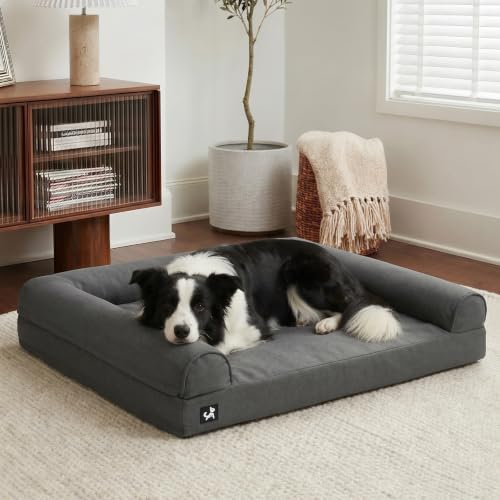
A mattress with raised, padded edges that dogs love to rest their heads against. Chew resistant versions use the same tough fabrics but reinforce the bolsters, which are a common chew target. Good for dogs who like to curl up. Less resistant than cot beds because the padded bolsters offer more material to grab.
Mid-Range DurabilityCover-Only Replaceable Systems
A durable mattress core paired with a separate, replaceable chew resistant cover. When the cover eventually wears out, you replace only the cover rather than the whole bed. Economical long-term and a smart choice for dogs who gradually work through fabric. Often the most practical option for confirmed heavy chewers.
Mid-Range DurabilityOrthopedic Chew Resistant Beds
Memory foam or high-density orthopedic foam wrapped in a tough outer cover. Designed for senior dogs, large breeds, and dogs with hip or joint problems. The foam provides genuine support, while the ballistic nylon shell resists chewing. The best option when you need both durability and therapeutic comfort.
Premium DurabilityOutdoor & Kennel Beds
Built for harsh conditions as well as chewing. Typically feature waterproof, UV-resistant ballistic nylon over a PVC or heavy foam core, with welded or heat-sealed seams. Easy to hose down and disinfect. Ideal for outdoor dogs, kennels, or dogs who spend time in the yard.
Top-Tier DurabilityDurability Comparison
This table compares the main bed types across the factors that matter most for heavy chewers. Use it to narrow down which format fits your situation before you start comparing specific products.
| Bed Type | Chew Resistance | Comfort Level | Best For | Cleaning Ease |
|---|---|---|---|---|
| Elevated Cot Bed | Excellent | Moderate | Aggressive chewers, hot climates | Very Easy |
| Ballistic Nylon Mattress | Excellent | High | Most heavy chewers | Easy |
| Reinforced Bolster Bed | Good | High | Dogs who curl up to sleep | Moderate |
| Replaceable Cover System | Good | High | Long-term value seekers | Easy |
| Orthopedic Chew Resistant | Excellent | Very High | Senior dogs, large breeds | Moderate |
| Outdoor & Kennel Bed | Excellent | Moderate | Outdoor dogs, kennels | Very Easy |
How to Choose the Right Bed
Once you understand the materials and formats, the decision comes down to matching the bed to your specific dog. Work through these steps in order.
Budget Reality Check: Entry-level chew resistant beds exist, but they typically trade away seam quality or fabric weight. If your dog is a confirmed heavy chewer, a mid-range ballistic nylon bed will almost always outlast two or three cheap alternatives, making it the better value over time.
Safety Considerations
No bed is truly indestructible, and a destroyed bed can be dangerous. Ingestion of fabric, foam, or zipper parts can cause intestinal blockages that require emergency surgery. Keep these safety points in mind.
- Inspect the bed weekly: Run your hands along the seams and fabric. A small tear can become a large hole quickly once a dog focuses on it.
- Remove damaged beds immediately: If your dog can pull out filling, the bed has become a hazard. Remove it rather than waiting for it to fail completely.
- Avoid exposed zippers and plastic clips: These can be chewed off and swallowed. A hidden zipper is both a durability feature and a safety feature.
- Skip foam bead filling: Microbeads scatter everywhere and are easy to ingest. Solid foam, fiber clusters, or air-filled designs are safer.
- Supervise new bed introductions: Even a chew resistant bed should be monitored for the first several days until you know how your dog interacts with it.
- Know the emergency signs: Vomiting, lethargy, loss of appetite, or straining to defecate after a chewing incident warrant an immediate vet visit. Keep a dog first aid kit on hand for minor issues.
Remember: A chew resistant bed buys you time and reduces replacement costs — it is not a substitute for addressing the underlying behavior. If your dog is shredding beds out of anxiety or boredom, the bed will eventually lose regardless of quality. Combine the right bed with proper exercise, mental stimulation, and training.
Training Your Dog to Stop Chewing
The most durable bed in the world is still a losing proposition if your dog's chewing habit goes unaddressed. These strategies reduce the behavior at its source.
- Increase exercise and mental stimulation. A tired dog is a non-destructive dog. Aim for at least one long walk or active play session daily, plus interactive toys or puzzle toys to work the brain.
- Provide legal chew outlets. Redirect your dog to appropriate chews such as durable chew toys whenever they start mouthing the bed. Rotate toys to keep them novel and interesting.
- Reward calm bed behavior. When your dog lies quietly on the bed, quietly praise or offer a treat. You're teaching that the bed is for resting, not chewing.
- Use a deterrent spray. Bitter apple or similar pet-safe deterrents applied to the fabric can discourage initial interest. Reapply as needed.
- Manage the environment. Crate your dog or restrict access when you can't supervise, especially during the teething phase. See our guide on crate training for a humane approach.
- Address anxiety directly. If chewing happens mainly when you're away, the issue is likely separation anxiety. Consult a vet or behaviorist rather than relying on a tougher bed alone.
- Be consistent. Everyone in the household must enforce the same rules. Inconsistency teaches your dog that chewing sometimes works.
For dogs with persistent destructive behavior, professional guidance is worth the investment. Our article on when to see a behaviorist explains the signs that it's time to bring in an expert.
Cleaning & Maintenance
Proper care extends the life of a chew resistant bed and keeps it hygienic. Most ballistic nylon and canvas covers are machine washable, but the details matter.
- Read the care label first: Some covers are machine washable; others require hand washing or spot cleaning only. Hot water and high heat can degrade the fabric coating and weaken seams.
- Remove the cover before washing: Zip it off and wash separately from the foam core, which usually cannot go in the machine.
- Use a gentle, pet-safe detergent: Harsh chemicals can leave residue that irritates your dog's skin. Avoid fabric softeners, which can reduce water resistance.
- Air dry whenever possible: High dryer heat is the enemy of durable fabrics. Hang the cover to dry, or use a low-heat setting.
- Spot clean between washes: Wipe down the fabric with a damp cloth and mild soap to handle everyday dirt and drool.
- Inspect seams after every wash: Washing can loosen stitching. Check and repair small issues before they become large ones.
- Vacuum the bed regularly: Hair and dander work into the fabric and can harbor odors. A quick vacuum pass extends the time between full washes.
For dogs with skin sensitivities or allergies, keeping the bed clean is especially important. Pair a washable chew resistant bed with regular use of a gentle dog shampoo to manage irritants.
Common Buying Mistakes
Avoid these pitfalls to get the most value from your purchase.
- Trusting the word "durable" without checking materials. Marketing language is meaningless. Look for specific fabric types and denier ratings, not vague claims.
- Buying for looks instead of function. A beautiful plush bed will not survive a determined chewer. Prioritize construction over aesthetics.
- Ignoring the seam construction. Fabric quality means nothing if the seams fail. Double-stitched or welted seams are non-negotiable for heavy chewers.
- Sizing down to save space. An undersized bed frustrates your dog and encourages pawing and chewing. Measure properly and size up if in doubt.
- Assuming all ballistic nylon is equal. Denier matters. A 600D cover is not the same as a 1680D cover. Check the specification.
- Overlooking the filling. Loose fiberfill is easy to pull out and swallow. Solid foam or tightly contained filling is much safer.
- Expecting a bed to solve a behavior problem. If your dog chews from anxiety or boredom, no bed will fix it. Address the cause.
- Skipping the warranty. A chew guarantee shifts risk back to the manufacturer and signals genuine confidence in the product.
Frequently Asked Questions
Bottom Line
The best chew resistant dog bed for your situation depends on your dog's chewing intensity, sleeping style, and whether they need orthopedic support. For most heavy chewers, a ballistic nylon mattress bed or an elevated cot bed offers the best balance of durability and comfort. If your dog has joint issues, an orthopedic chew resistant bed delivers both protection and therapeutic support. Whichever you choose, combine a quality bed with proper exercise, mental stimulation, and training — that combination is what ultimately stops the destruction. Start by comparing the recommended options below.