Old English Sheepdog: The Complete Breed Guide
Everything you need to know about the Old English Sheepdog — from their charming temperament and extensive grooming needs to health care, training, and finding a reputable breeder.
The Old English Sheepdog is one of the most recognizable and beloved large breeds in the world. With their distinctive shaggy coat, bear-like gait, and cheerful disposition, these gentle giants have captured the hearts of families for centuries. But owning an Old English Sheepdog is a significant commitment — they require extensive grooming, plenty of exercise, and a family willing to invest time in their training and socialization.
This comprehensive guide will walk you through everything you need to know about the Old English Sheepdog breed. Whether you are considering adding one to your family or simply want to understand this fascinating breed better, you will find the information you need here. If you are still exploring other breeds, our complete dog breeds guide can help you compare.
Origin & History of the Old English Sheepdog
The Old English Sheepdog, affectionately known as the "Bobtail," originated in the western counties of England, particularly Devon and Somerset. Despite their name, they are not actually from "Old England" in the sense of ancient times — the breed as we know it today was developed in the 18th and 19th centuries.
These dogs were bred by farmers to herd sheep and drive cattle to market. Their thick, protective coats shielded them from the harsh weather and brambles of the English countryside. Their natural herding instinct and sturdy build made them invaluable working dogs. The nickname "Bobtail" comes from the traditional practice of docking their tails, which was done to distinguish them from working dogs that were taxed differently.
By the late 19th century, the Old English Sheepdog had become a popular show dog and family companion. The breed was recognized by the American Kennel Club in 1888. Today, they are cherished as loving family pets, though they still retain their herding instincts and need plenty of mental and physical stimulation.
Temperament & Personality
The Old English Sheepdog is known for its gentle, affectionate, and playful nature. They are devoted to their families and make excellent companions for active households. Despite their large size, they are surprisingly adaptable and can thrive in apartments if given enough exercise.
Key Personality Traits
- Affectionate: They form strong bonds with their families and love being included in daily activities.
- Playful: Their puppy-like enthusiasm often lasts well into adulthood.
- Protective: They have a natural instinct to watch over their home and family, making them excellent watchdogs.
- Intelligent: They are smart dogs, but their independent streak means they need consistent, patient training.
- Sociable: With proper socialization, they get along well with children, other dogs, and even cats.
- Herding Instinct: They may try to "herd" children or other pets, which can be managed with training.
Are They Good Family Dogs?
Yes, Old English Sheepdogs are excellent family dogs. They are gentle and patient with children, though their large size means they should always be supervised around toddlers to prevent accidental knocks. They thrive on companionship and do not do well when left alone for long periods — they can develop separation anxiety.
If you are looking for a loyal, loving, and entertaining companion, the Old English Sheepdog is a wonderful choice. Their clownish antics and loving nature bring joy to any home.
Good to Know: Old English Sheepdogs are known for their distinctive "bear-like" walk and their habit of "bouncing" — a playful, springy gait that is unique to the breed. They also have a tendency to "talk" with a low, rumbling vocalization when happy or excited.
Appearance & Size
The Old English Sheepdog is a large, muscular breed with a profuse, shaggy coat that covers their entire body, including their face and eyes. Their distinctive appearance is one of their most endearing qualities, but it also means they require significant grooming.
| Feature | Description |
|---|---|
| Height | Males: 22+ inches; Females: 21+ inches at the shoulder |
| Weight | Males: 80-100 pounds; Females: 60-80 pounds |
| Coat | Thick, double coat that is profuse and shaggy; colors include gray, grizzle, blue, or blue merle with white markings |
| Eyes | Dark, intelligent, and often hidden by hair; some have blue eyes or heterochromia |
| Tail | Traditionally docked (hence "Bobtail"), though docking is now illegal in many countries |
| Lifespan | 10-12 years |
Grooming Requirements
Grooming is the single most important aspect of Old English Sheepdog ownership. Their thick, double coat is beautiful but high-maintenance. Without regular grooming, their coat will mat severely, causing skin problems and discomfort.
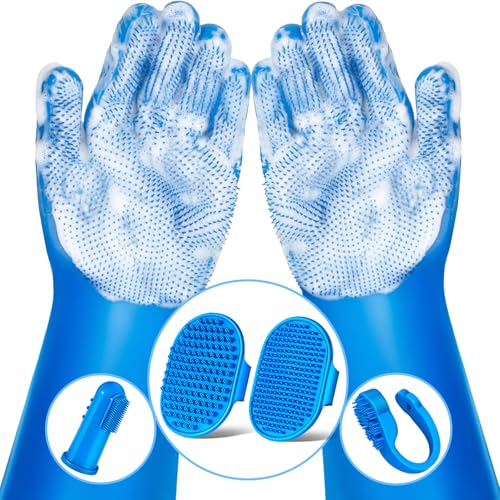
Essential Grooming Tools: You will need a slicker brush, a metal comb, a dematting tool, dog-specific shampoo, and a high-velocity dryer. For professional grooming, look for a groomer experienced with double-coated breeds.
Grooming Schedule
- Daily Brushing: Brush your Old English Sheepdog for at least 15-20 minutes every day to prevent mats and tangles. Pay special attention to the ears, armpits, and hindquarters where mats form most easily.
- Weekly Deep Grooming: Once a week, do a thorough grooming session that includes line brushing (brushing layer by layer down to the skin) and checking for mats, skin issues, or parasites.
- Professional Grooming: Schedule professional grooming every 6-8 weeks. Many owners opt for a "puppy cut" or "summer clip" to reduce maintenance, especially in warmer climates.
- Bathing: Bathe every 4-6 weeks, or more often if your dog gets dirty. Use a dog-specific shampoo and ensure the coat is completely dry to prevent mildew and skin infections.
- Nail Trimming: Trim nails every 2-4 weeks. Long nails can cause gait problems and joint stress.
- Ear Cleaning: Clean ears weekly to prevent infections. Their floppy ears and thick hair can trap moisture and debris.
- Dental Care: Brush teeth daily or at least 3 times per week to prevent dental disease.
If you are not prepared for the grooming commitment, consider a different breed. However, if you are willing to put in the work, the Old English Sheepdog's coat is one of their most striking features. For more grooming tips, see our complete dog grooming guide.
Exercise & Activity Needs
Despite their large size, Old English Sheepdogs have moderate exercise needs. They are not as high-energy as some herding breeds, but they still need daily activity to stay healthy and happy.
Daily Exercise Requirements
- Walks: 1-2 hours of walking per day, split into two sessions.
- Play Sessions: Interactive play like fetch or tug-of-war.
- Mental Stimulation: Puzzle toys, training sessions, and scent games.
- Off-Leash Time: If you have a secure yard, allow them to run and explore.
Puppies need less structured exercise to protect their growing joints. Avoid excessive jumping or running on hard surfaces until they are fully grown.
Signs of Under-Exercise
- Destructive chewing or digging
- Excessive barking or whining
- Restlessness or inability to settle
- Weight gain
- Attention-seeking behaviors
If you notice these signs, your dog likely needs more physical and mental stimulation. For more ideas, see our guide on dog exercise needs.
Training & Socialization
Old English Sheepdogs are intelligent and eager to please, but they can also be independent and stubborn. Training requires patience, consistency, and positive reinforcement.
Training Tips
- Start Early: Begin training and socialization as soon as you bring your puppy home. The critical socialization period is between 3-14 weeks of age.
- Use Positive Reinforcement: Reward desired behaviors with treats, praise, and play. Avoid punishment-based methods, which can damage trust and cause anxiety.
- Be Consistent: Everyone in the household must use the same commands and rules. Inconsistency confuses your dog and slows progress.
- Keep Sessions Short: 5-10 minute sessions are more effective than long, exhausting ones. End on a positive note.
- Socialize Extensively: Expose your puppy to different people, places, sounds, and animals in a positive, controlled way. This prevents fear and aggression later in life.
- Channel Their Herding Instinct: Give them appropriate outlets for their herding drive, such as herding classes or interactive toys.
Advanced Training: Old English Sheepdogs excel in activities like herding, agility, obedience, and therapy work. These activities provide mental stimulation and strengthen your bond. If you are interested in competitive activities, look for clubs and trainers experienced with herding breeds.
Health Issues & Lifespan
Like all breeds, Old English Sheepdogs are prone to certain health conditions. Responsible breeding and regular veterinary care can help manage these risks.
Common Health Issues
- Hip Dysplasia: A genetic condition where the hip joint doesn't fit properly, leading to arthritis and lameness. Responsible breeders screen for this.
- Elbow Dysplasia: Similar to hip dysplasia but affects the elbow joint.
- Cataracts: Clouding of the lens that can lead to vision loss. Regular eye exams are important.
- Progressive Retinal Atrophy (PRA): A degenerative eye disease that can cause blindness.
- Thyroid Problems: Hypothyroidism is common in the breed and can cause weight gain, lethargy, and skin issues.
- Cancer: Certain cancers are more common in Old English Sheepdogs, including lymphoma and osteosarcoma.
- Bloat (Gastric Dilatation-Volvulus): A life-threatening condition where the stomach twists. Feed smaller meals and avoid vigorous exercise after eating.
Lifespan
The average lifespan of an Old English Sheepdog is 10-12 years. With excellent care, some live longer. Maintaining a healthy weight, providing regular exercise, and keeping up with preventive veterinary care are key to maximizing their lifespan.
For more information on keeping your dog healthy, see our dog health guide and weight management tips.
Diet & Nutrition
A balanced, high-quality diet is essential for your Old English Sheepdog's health. They are large dogs, so they need appropriate portions to maintain a healthy weight without overfeeding.
Feeding Guidelines
- Puppies: Feed a large-breed puppy formula that supports controlled growth. Free-feeding is not recommended — use scheduled meals.
- Adults: Feed a high-quality adult dog food with real meat as the first ingredient. Adjust portions based on activity level and body condition.
- Seniors: Switch to a senior formula with lower calories and added joint support as they age.
Portion Control: Old English Sheepdogs are prone to obesity, which puts extra strain on their joints. Measure their food accurately and avoid excessive treats. You should be able to feel their ribs without pressing hard. For more guidance, see our complete dog food guide.
Finding a Reputable Breeder
If you are looking to add an Old English Sheepdog to your family, finding a reputable breeder is crucial. A responsible breeder will prioritize the health and temperament of their dogs and will be transparent about health testing and lineage.
What to Look For
- Health Testing: Reputable breeders test their breeding dogs for hip dysplasia, elbow dysplasia, eye conditions, and thyroid problems. Ask to see the test results.
- AKC Registration: Puppies should be registered with the American Kennel Club (AKC) or equivalent. Learn more in our AKC registration guide.
- Contract & Health Guarantee: A good breeder provides a written contract and health guarantee. Read our breeder contract guide for what to expect.
- Home Environment: Visit the breeder's home or kennel. Puppies should be raised in a clean, stimulating environment and socialized from birth.
- Questions to Ask: Ask about the parents' temperament, health history, and why they chose to breed. See our questions to ask a breeder for a full list.
- Red Flags: Avoid breeders who won't let you visit, sell puppies online without meeting you, or have multiple litters available at once. See our guide on red flags of a bad breeder.
You can also consider adopting from a rescue organization. Many Old English Sheepdogs end up in rescue through no fault of their own. Check breed-specific rescues for available dogs. For more information, see our guide on finding a reputable breeder.
Frequently Asked Questions
Is an Old English Sheepdog Right for You?
The Old English Sheepdog is a wonderful breed for the right family. They are loving, playful, and devoted companions. However, they require a significant commitment to grooming, exercise, and training. If you are ready for the responsibility, you will be rewarded with a loyal and entertaining friend for life. If you are still exploring breeds, our dog breeds guide can help you find the perfect match.