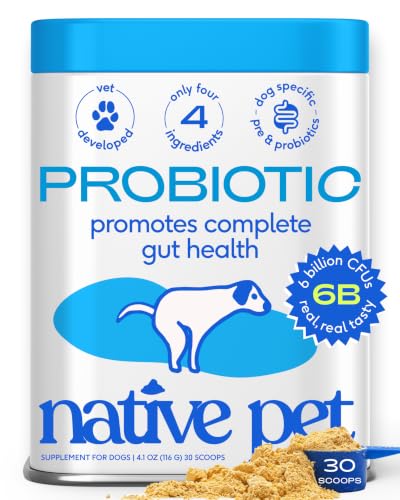
The Ultimate Guide to Dog Probiotic Supplements
Discover how probiotics can transform your dog's digestive health, boost their immune system, and improve overall vitality. This comprehensive guide covers everything you need to know before choosing a supplement.
Just like humans, dogs have a complex ecosystem of bacteria in their digestive tract. This microbiome plays a crucial role in nutrient absorption, immune function, and even mood regulation. When the balance of good and bad bacteria is disrupted, it can lead to digestive issues, skin problems, and a weakened immune system. This is where dog probiotic supplements come in. They introduce beneficial bacteria to help restore and maintain a healthy gut flora.
Whether your dog is dealing with occasional diarrhea, has a sensitive stomach, or is recovering from a course of antibiotics, a high-quality probiotic can be a game-changer. But with so many products on the market, choosing the right one can feel overwhelming. This guide cuts through the marketing noise and provides the evidence-based information you need to make a confident decision.
Why Gut Health Matters for Your Dog
The gut is often called the "second brain" because it influences so many aspects of health. A balanced microbiome aids in digestion, synthesizes vitamins like B and K, and supports the immune system. In fact, about 70% of a dog's immune system resides in the gut. When the microbiome is out of balance (a condition called dysbiosis), it can contribute to chronic conditions such as allergies, inflammatory bowel disease (IBD), and even joint inflammation.
Key Insight: A healthy gut isn't just about digestion. It's the foundation of your dog's overall health. Probiotics help maintain that foundation by replenishing the beneficial bacteria that are essential for a strong immune system and efficient nutrient absorption.
Signs Your Dog Needs a Probiotic
How can you tell if your dog's gut health is suffering? Look for these common signs:
- Chronic Digestive Issues: Frequent diarrhea, soft stools, constipation, or excessive gas are clear indicators that the gut flora is imbalanced.
- Skin & Coat Problems: Itchy skin, hot spots, ear infections, and a dull coat can be linked to poor gut health, as inflammation often manifests on the skin.
- Poor Appetite or Vomiting: A sudden loss of appetite or regular vomiting, especially after meals, can signal digestive distress.
- Lethargy & Low Energy: If your dog seems more tired than usual, their body might be struggling to absorb essential nutrients from food.
- After Antibiotics: Antibiotics kill both bad and good bacteria. A probiotic is essential during and after a course of antibiotics to replenish the good bacteria.
- Stress or Anxiety: Stress (from travel, new environments, or changes in routine) can disrupt the gut-brain axis, leading to digestive upset.
If you notice one or more of these signs, a dog probiotic could be a safe and effective solution to restore balance.
Key Probiotic Strains for Dogs
Not all probiotics are created equal. The strains used matter significantly. Look for supplements that contain one or more of the following well-researched strains:
Enterococcus faecium
A hardy strain that survives stomach acid and adheres to the intestinal wall, making it highly effective for reducing diarrhea and supporting overall gut health.
Bacillus coagulans
A spore-forming bacteria that is naturally resistant to heat and stomach acid. It's excellent for maintaining digestive balance and immune support.
Lactobacillus acidophilus
One of the most common and beneficial bacteria. It produces lactic acid, which helps maintain an acidic environment in the gut that inhibits harmful bacteria.
Bifidobacterium animalis
A powerful strain that supports the immune system, reduces inflammation, and helps with the breakdown of complex carbohydrates.
Many high-quality dog probiotic supplements combine multiple strains for a synergistic effect, often referred to as a "broad-spectrum" formula. This approach addresses different areas of the digestive tract and provides comprehensive support.
Top Benefits of Dog Probiotics
Adding a probiotic to your dog's daily routine can lead to noticeable improvements. Here are the most significant benefits dog owners report:
- Enhanced Digestive Health: Reduces gas, bloating, diarrhea, and constipation. Promotes firm, consistent stools.
- Stronger Immune System: A healthy gut means a robust immune response, reducing the frequency and severity of infections.
- Better Nutrient Absorption: Helps your dog extract more vitamins and minerals from their food, leading to more energy and a shinier coat.
- Reduced Allergies & Skin Issues: By calming systemic inflammation, probiotics can help reduce itching, hot spots, and other skin conditions.
- Oral Health Benefits: Some probiotic strains can help reduce plaque and bad breath by balancing the bacteria in the mouth.
- Behavioral Balance: The gut-brain axis means a happier gut can contribute to a calmer, less anxious dog.
How to Choose the Right Probiotic Supplement
With so many options on the market, choosing the right probiotic for your dog can be daunting. Here's a practical checklist to guide your decision:
- Check the CFU Count: CFU stands for Colony Forming Units, which indicates the number of live bacteria. Look for a supplement with at least 1 to 5 billion CFUs per serving for effective results.
- Verify the Strains: Ensure the supplement contains the strains mentioned above. Avoid products that don't specify the strain or use generic terms like "probiotic blend."
- Check for Additives: Choose a product with minimal fillers, artificial colors, or preservatives. Look for natural, dog-safe ingredients.
- Consider the Form: Probiotics come in powders, chews, capsules, and liquids. Powders mixed with food are often the most effective and easiest to administer.
- Look for Shelf-Stable Options: Some probiotics require refrigeration, while others are shelf-stable. Choose based on your storage preference and lifestyle.
- Read Reviews: See what other dog owners have experienced. Consistent positive feedback is a good indicator of quality.
If your dog has a sensitive stomach, it's wise to start with a lower dose and gradually increase to allow their system to adjust. Always consult your veterinarian before starting any new supplement, especially if your dog has a pre-existing health condition or is on medication.
Dosage & Usage Guidelines
Proper dosage is crucial for effectiveness. Follow these general guidelines, but always defer to the product label and your vet's advice.
- Start Small: Begin with a half-dose for the first few days to allow your dog's digestive system to adjust. This can help prevent temporary gas or bloating.
- Follow Label Instructions: Most supplements provide a dosage based on your dog's weight. Use the recommended amount as a starting point.
- Administer with Food: Giving the probiotic with a meal buffers stomach acid and helps the bacteria survive the digestive journey.
- Be Consistent: For best results, give the probiotic at the same time each day as part of your dog's daily routine.
- Patience is Key: It can take a few days to several weeks to see noticeable improvements. Consistency is more important than high doses.
Pro Tip: If you're using a probiotic to counter the effects of antibiotics, start the probiotic on the same day as the antibiotic, but give them at least two hours apart to ensure the probiotic bacteria aren't killed by the antibiotic.
Frequently Asked Questions
Ready to Give Your Dog the Gift of Better Gut Health?
Choosing the right probiotic can make a world of difference in your dog's quality of life. The products we've selected below are among the best-rated, clinically studied, and most trusted options available. Whether you're looking for a budget-friendly option or a premium formula with multiple strains, you'll find a high-quality supplement to meet your dog's needs. Click through to explore the best dog probiotics on the market today.