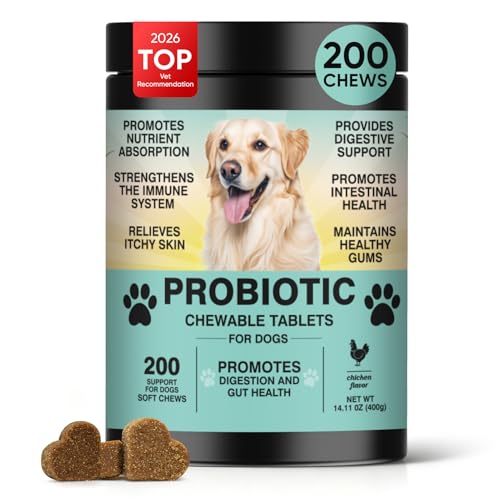
Complete Guide to Dog Probiotics
Understand how probiotics support your dog's digestive health, immune system, and overall well-being — with science-backed insights and practical buying advice.
Your dog's digestive system is home to trillions of bacteria — a complex ecosystem known as the microbiome. This community of microorganisms plays a critical role in digestion, nutrient absorption, immune function, and even behavior. When the balance of good and bad bacteria is disrupted, digestive issues, allergies, skin problems, and chronic inflammation can follow. Dog probiotics are supplements containing live beneficial bacteria that help restore this balance and support your dog's overall health.
This guide covers everything you need to know about dog probiotics supplements, from how they work to choosing the right product. Whether your dog has recurring digestive upset, is on antibiotics, or you simply want to support their long-term health, you'll find practical, evidence-based advice here. By the end of this guide, you'll be ready to make an informed decision about whether a probiotic supplement is right for your dog — and which one to choose.
What Are Dog Probiotics?
Dog probiotics are live microorganisms — primarily bacteria and some yeasts — that provide health benefits when consumed in adequate amounts. They work by populating the gut with beneficial bacteria, which:
- Outcompete harmful bacteria for resources and attachment sites
- Produce antimicrobial substances that inhibit pathogens
- Strengthen the intestinal barrier, preventing "leaky gut"
- Stimulate the immune system's digestive tract defenses
- Break down food more efficiently, improving nutrient absorption
- Produce enzymes and vitamins like B vitamins and vitamin K
While some human probiotics are safe for dogs, the canine gut has a unique microbiome composition. The best results come from strains specifically studied in dogs or derived from canine sources. Many high-quality dog probiotic supplements now combine multiple strains tailored to canine digestive needs, often including prebiotic fibers to support the growth of those beneficial bacteria.
Key Insight: Not all probiotic products are created equal. Look for supplements that list the specific bacterial strains (e.g., Lactobacillus acidophilus, Bifidobacterium animalis) and guarantee a minimum CFU (colony-forming units) count at expiration — not just at the time of manufacture. Many products lose potency during storage and shipping.
Health Benefits of Dog Probiotics
Research continues to reveal the wide-ranging benefits of probiotics for dogs. Here are the most well-supported benefits:
Digestive Health
- Reduces diarrhea — especially antibiotic-associated diarrhea and stress-induced diarrhea from travel or boarding.
- Manages chronic digestive issues like inflammatory bowel disease (IBD) and colitis.
- Improves stool quality — firmer, more consistent stools with less odor.
- Reduces flatulence and bloating by improving fermentation of food in the gut.
Immune System Support
- Boosts immune function — up to 70% of the immune system is located in the gut.
- Supports vaccine response — some studies show probiotics enhance antibody production after vaccinations.
- Reduces allergic reactions by modulating the immune response to food allergens and environmental triggers.
Skin & Coat Health
- Improves skin conditions like hot spots, itching, and dermatitis — often linked to gut inflammation.
- Enhances coat quality — shinier, healthier fur with reduced shedding.
- Supports ear health by reducing yeast and bacterial overgrowth linked to food sensitivities.
Beyond the Gut
- Reduces anxiety and stress through the gut-brain axis — the microbiome influences neurotransmitter production like serotonin and dopamine.
- Supports oral health by balancing bacteria in the mouth, reducing bad breath and plaque.
- May aid weight management by influencing metabolism and fat storage.
Important Note: Probiotics are not a cure-all. They work best as part of a comprehensive approach that includes a balanced diet, regular exercise, and proper veterinary care. For dogs with chronic health conditions, always consult your veterinarian before starting any supplement — especially if your dog is on medication.
Best Probiotic Strains for Dogs
Not all probiotic strains are equally beneficial for dogs. Research has identified several strains with proven effectiveness for canine health. Here are the most recommended and researched strains:
Lactobacillus acidophilus
One of the most studied probiotics for dogs. Supports overall digestive health, produces lactic acid that inhibits harmful bacteria, and aids in lactose digestion. Effective for reducing diarrhea and supporting nutrient absorption.
Bifidobacterium animalis
Specialized for the canine gut, this strain supports immune function, reduces inflammation, and is particularly effective for managing acute diarrhea and supporting dogs on antibiotics.
Enterococcus faecium
Naturally present in the canine gut, this strain strengthens the intestinal barrier, produces antimicrobial substances, and has been shown to be effective in managing digestive upset in dogs and puppies.
Saccharomyces boulardii
A beneficial yeast (not a bacterium) that survives stomach acid and is highly effective for antibiotic-associated diarrhea. It doesn't colonize the gut long-term, making it useful for short-term support without permanently altering the microbiome.
Lactobacillus rhamnosus
Research shows this strain can reduce allergic skin reactions and support immune tolerance. It's beneficial for dogs with food sensitivities or environmental allergies.
Bacillus coagulans
A spore-forming probiotic that survives stomach acid and high temperatures. It produces lactic acid, supports immune function, and has been shown to help with gas, bloating, and digestive comfort.
The best probiotic supplements for dogs contain multiple strains — typically 3 to 6 different species — because different strains offer complementary benefits. Products with higher strain diversity can address a wider range of health concerns and support a more robust microbiome.
When to Give Your Dog Probiotics
Probiotics can be beneficial in several situations. Here are the most common scenarios where dog probiotics can make a real difference:
- During and after antibiotic treatment. Antibiotics kill both harmful and beneficial bacteria, disrupting the gut microbiome. Giving probiotics during and for 2-4 weeks after antibiotic treatment helps restore balance and reduces the risk of antibiotic-associated diarrhea.
- For acute diarrhea or digestive upset. Whether from dietary indiscretion, stress, or infection, probiotics can speed recovery and firm up stool consistency. Look for products specifically formulated for diarrhea support.
- During stressful events. Travel, boarding, moving, or introducing new pets can cause stress-related digestive issues. Starting probiotics a few days before and continuing during stressful periods can help prevent problems.
- When switching dog food. Dietary changes can temporarily disrupt the gut microbiome. Probiotics help smooth the transition by supporting digestive enzyme production and reducing the risk of loose stool.
- For dogs with chronic conditions. Dogs with sensitive stomachs, food allergies, skin issues, or chronic inflammation (like dogs with arthritis) often have altered gut microbiomes and may benefit from ongoing probiotic support.
- For senior dogs. As dogs age, their microbiome diversity naturally decreases. Daily probiotics can support digestive function, nutrient absorption, and immune health in aging dogs.
- For puppies. Developing digestive and immune systems benefit from probiotic support, especially during weaning, vaccination, and rapid growth phases. Use puppy-specific formulas with appropriate CFU counts.
Pro Tip: For best results, give probiotics with a meal — especially one containing some fat, which helps protect the live bacteria as they pass through stomach acid. Never mix probiotics with hot food or liquids, as heat can kill the beneficial bacteria.
How to Choose a Dog Probiotic Supplement
With dozens of dog probiotics on the market, selecting the right one can feel overwhelming. Here's a practical framework for choosing a high-quality supplement:
What to Look For
- Multiple strains. Choose products with at least 3-5 well-researched strains (like Lactobacillus, Bifidobacterium, and Enterococcus species). More strains generally means broader benefits.
- CFU count at expiration. Look for products that state CFU count at the time of expiration, not just at manufacture. A good target is 1-10 billion CFU per serving for adult dogs (puppies need less — around 100 million to 1 billion CFU).
- Independent quality testing. Reputable brands conduct third-party testing for potency, purity, and contamination. Look for brands that publish their lab results or have certification from organizations like NASC (National Animal Supplement Council).
- Minimal fillers and additives. Avoid products with artificial colors, flavors, or preservatives. The ingredient list should be short and recognizable.
- Contains prebiotics. Some products include prebiotic fibers (like FOS or inulin) that feed the probiotic bacteria — these can enhance effectiveness.
- Specialized formulas. Look for condition-specific formulas if needed — e.g., "digestive support," "skin and coat," "immunity," or "stress and travel" variants.
Form Factors: Which is Best?
Dog probiotics come in several forms, each with pros and cons:
- Powders: Easy to mix into food; highly flexible dosing; often the most cost-effective. Store in a cool, dry place and keep airtight.
- Chews/tablets: Convenient and palatable for picky dogs; ideal for dogs who don't like powder. Check for added fillers or sweeteners.
- Soft gels/capsules: Good for precise dosing; can be opened and mixed into food. Usually more expensive.
- Liquid drops: Easy to administer directly into the mouth or food; absorption starts quickly. Requires refrigeration in most cases.
Regardless of form, choose a product your dog will take reliably. Even the best probiotic is useless if your dog refuses to eat it.
Prebiotics vs. Probiotics: What's the Difference?
You'll often see prebiotics mentioned alongside probiotics. While they sound similar, they serve different but complementary purposes:
- Probiotics are live beneficial bacteria that you add to your dog's gut. They directly provide health benefits by populating the gut with good bacteria and balancing the microbiome.
- Prebiotics are non-digestible fibers that serve as food for the beneficial bacteria already living in your dog's gut. They indirectly support gut health by promoting the growth and activity of existing good bacteria.
Combining prebiotics and probiotics is called synbiotics — the prebiotic helps the probiotic bacteria thrive in the gut, increasing the likelihood they will colonize successfully. Many high-quality dog probiotics supplements now include prebiotic ingredients like fructooligosaccharides (FOS) or inulin.
Natural food sources of prebiotics include chicory root, dandelion greens, garlic (in very small amounts), and certain vegetables. However, supplements provide a more concentrated and consistent dosage.
Safety & Side Effects of Dog Probiotics
Probiotics are generally very safe for healthy dogs. However, as with any supplement, there are some considerations:
Common Side Effects
- Mild digestive upset — loose stool, gas, or bloating during the first 2-3 days as the gut adjusts. This is usually temporary and resolves quickly.
- Increased thirst — some dogs may drink more water initially, which is normal and often beneficial.
- Changes in appetite — minor and temporary.
These side effects typically resolve within a few days. If they persist or worsen, discontinue use and consult your veterinarian.
When Probiotics May Not Be Suitable
- Immunocompromised dogs — dogs with suppressed immune systems (e.g., on chemotherapy, with autoimmune disorders, or severe chronic diseases) may not be able to safely consume live bacteria. Consult your vet first.
- Severely ill or hospitalized dogs — probiotics should only be given under veterinary supervision in critical care situations.
- Dogs with known allergies to ingredients — always check the product label for potential allergens (e.g., dairy, soy, or certain proteins).
- Puppies under 8 weeks — their digestive systems are still developing; consult your vet before introducing probiotics.
Always Follow These Guidelines:
• Start with a half-dose for the first 2-3 days to allow your dog's system to adjust
• Monitor for any adverse reactions
• Store probiotics according to manufacturer instructions (some require refrigeration)
• Never give expired products — potency decreases significantly after expiration
• Always consult your vet before starting any supplement, especially if your dog has pre-existing health conditions or is on medication
Frequently Asked Questions About Dog Probiotics
Ready to Support Your Dog's Digestive Health?
Dog probiotics offer a safe, natural way to support your dog's digestive system, immune function, and overall well-being. With the right product, you can help your dog feel better, digest food more efficiently, and enjoy a healthier life. Browse the recommended products below — each one has been carefully selected based on strain quality, CFU potency, and positive customer reviews. Always consult your veterinarian before starting any new supplement, especially if your dog has existing health conditions.