The Ultimate Guide to Dog Socialization
Learn how to raise a confident, well-mannered dog through safe and effective socialization techniques. Discover the key milestones, common mistakes, and expert strategies that build a lifetime of trust and good behavior.
Socialization is one of the most important investments you can make in your dog's future. It is the process of exposing your dog to a wide variety of people, places, sounds, and other animals in a positive and controlled way. A well-socialized dog is not just a pleasure to be around; they are also safer, less likely to develop anxiety, and much better equipped to handle the unpredictable nature of the world. This guide covers everything you need to know about dog socialization, from why it is essential to practical, step-by-step techniques you can start using today.
What Is Dog Socialization?
At its core, dog socialization is about teaching your dog that the world is a safe and exciting place. It's not just about playing with other dogs at the park. It involves exposing your dog to a variety of sights, sounds, smells, surfaces, and situations in a way that builds their confidence and teaches them appropriate responses.
Think of it as your dog's education for life. Just as human children learn how to navigate social situations, dogs need to learn how to handle new experiences without fear or aggression. This foundational training helps prevent fear-based behaviors and ensures your dog remains calm and composed in the face of the unexpected. It is a continuous process that starts from the moment you bring your dog home and lasts throughout their entire life.
Key Elements of Socialization
- People: Exposure to men, women, children of different ages, people with hats, glasses, beards, and those using assistive devices like canes or wheelchairs.
- Other Animals: Safe introductions to other friendly, vaccinated dogs, as well as cats, and other small animals, always under supervision.
- Environments: Walking on different surfaces like grass, gravel, and tile, visiting busy streets, quiet parks, and pet-friendly stores.
- Sounds: Acclimating your dog to everyday noises like vacuum cleaners, traffic, thunderstorms, and construction sounds at a volume that is not frightening.
- Handling: Getting your dog used to being touched by you and others, including paws, ears, tails, and mouth, which is essential for vet visits and grooming.
What Socialization Is NOT
It's crucial to understand what socialization is not. It is not about forcing your dog into overwhelming situations or hoping they will "get used to it." Flooding a dog with too much too soon can be counterproductive and lead to dog anxiety or phobias.
It is also not the same as dog daycare or endless playdates. While these can be parts of socialization, the primary goal is to create positive associations with new experiences, not just to exhaust your dog with play. A successful socialization plan is structured, mindful, and always respects the dog's individual comfort level.
Why Socialization Matters
The consequences of insufficient socialization can be severe. An unsocialized dog is often fearful and reactive. This fear can manifest as aggression, which is a leading cause of dogs being surrendered to shelters. In fact, behavioral problems, many rooted in lack of socialization, are the number one reason pet owners rehome their dogs.
A well-socialized dog is a confident dog. They are less stressed in new situations, making them easier to travel with, take to the vet, and include in family activities. This confidence directly enhances the human-animal bond and allows you to enjoy a broader, more fulfilling range of experiences together. It is the foundation of a calm, well-adjusted companion.
The Hidden Costs of Poor Socialization: A lack of socialization can lead to expensive behavioral consults, damage to your home, and even legal issues if your dog reacts aggressively. Investing time in proper socialization is far cheaper and easier than trying to fix deep-seated fear or aggression later.
The Critical Socialization Period
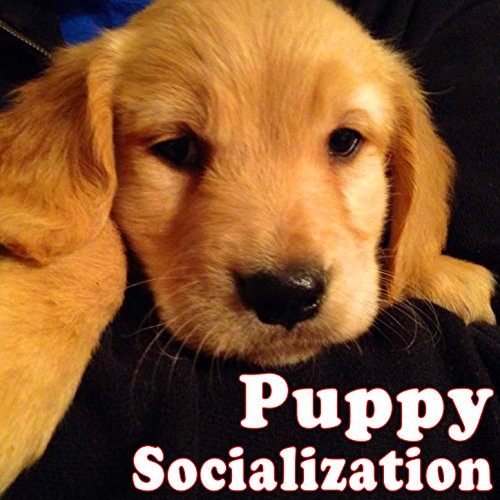
Between the ages of 3 and 14 weeks, puppies enter a prime learning period. During this time, their brains are incredibly receptive to new experiences. The associations they form now will have a lasting impact on their adult temperament. This is why it is so important to start socialization early, even before their vaccination series is complete.
Puppy socialization classes are an excellent way to do this safely. These classes are designed to be a controlled environment where puppies can interact with each other and learn from a professional trainer. They are often more beneficial than just going to a dog park, which can be an unpredictable environment for a young puppy. Missing this window does not mean your dog is doomed, but it does mean you will need to be more deliberate and patient with your socialization efforts.
How to Socialize Your Dog Safely
The key to safe socialization is control and positive reinforcement. You should never force your dog into a situation where they are clearly terrified. Instead, you set them up for success. Here is a step-by-step approach:
- Start at Home: Before venturing out, expose your dog to a variety of sounds at low volumes. Play recordings of thunderstorms, traffic, and fireworks at a level that doesn't provoke fear, pairing the sound with a treat.
- Controlled Introductions: Invite calm, dog-savvy friends over to meet your puppy. Have them offer treats and let the puppy approach them first. Always use high-value treats to create a positive association with new people.
- Venture Out Slowly: Start by carrying your puppy around the block to observe the world safely. This is great for pre-vaccinated puppies. Watch their body language closely.
- Visit Pet-Friendly Stores: Places like home improvement or pet supply stores are excellent for practice. The environment is novel, but you have control over how long you stay and which aisles you walk down.
- Watch Body Language: This is the most important skill you can learn. If your dog looks scared (tail tucked, ears back, lip licking, avoiding eye contact), create more space between them and the trigger. Reward them for looking at the scary thing without reacting.
- Keep Sessions Short: A 15-minute, positive outing is far more valuable than an hour-long trip that ends in a meltdown. End each session on a high note with a game or a treat.
For training support and group environments, you can look into dog training classes which often include a structured socialization component. Similarly, understanding dog training basics will help you reinforce good behavior during these interactions.
Socialization Checklist
This checklist is a guide to the experiences you should aim to introduce to your dog. Adjust the priority based on your lifestyle.
Primary Experiences
- Meeting men, women, and children
- Meeting people of different races and ages
- Handling: Paw touching, ear checks, teeth brushing
- Walking on different surfaces (concrete, grass, wood)
- Riding in a car
- Seeing bicycles, skateboards, and strollers
Advanced Experiences
- Visiting a busy, pet-friendly store
- Walking near traffic (with safety precautions)
- Meeting a cat or other small animal (under control)
- Exposure to loud noises (vacuum, construction)
- Visiting the vet for a "fun" visit (weigh-in, treats)
- Meeting people in uniforms or with hats/glasses
Recognizing Signs of Stress
Knowing when your dog is stressed is critical. If you see these signs, you need to slow down and give your dog more space.
- Lip Licking & Yawning: These are classic appeasement signals, often used when a dog is feeling uncomfortable or anxious.
- Whale Eye: When a dog shows the whites of their eyes, it often indicates they are feeling stressed and are trying to turn away.
- Tucked Tail: A tail tucked between the legs is a clear sign of fear. A stiff, high tail can also be a sign of arousal, but it's important to read the whole picture.
- Pinned Ears: Ears flattened against the head indicate fear or anxiety.
- Freezing: A dog that suddenly goes still may be feeling overwhelmed and unsure of how to react.
- Excessive Panting or Drooling: While also a sign of being hot, if it's not hot, this can be a sign of stress.
Your Go-To Response: When you see any of these signs, the best thing you can do is increase distance from the trigger. Give your dog a break and let them decompress in a quiet place. Rewarding them for calm behavior in the presence of a trigger is the goal.
Common Socialization Mistakes to Avoid
Even well-meaning owners make these errors. Avoiding them will make your efforts much more effective.
- Overwhelming Your Dog: Throwing your dog into a busy dog park or crowded street is a common mistake. Start slow and build up to more distracting environments.
- Forcing Interactions: Let your dog approach new things at their own pace. Forcing them to say "hi" to a person or another dog can create a negative association and make the problem worse.
- Neglecting Ongoing Socialization: Many owners stop socializing after the puppy stage. Socialization is a lifelong process to prevent regression and maintain confidence.
- Using Punishment: If your dog growls or barks at a new person or dog, punishing them will only make them more fearful and can suppress their warning signs, leading to a bite with no warning.
- Ignoring Your Dog's Cues: You know your dog best. If they seem overwhelmed, believe them. It's better to cut a session short than to push them beyond their threshold and cause a setback.
Socializing an Older Dog
Socializing an adult or senior dog requires more patience, but it is absolutely possible. The same principles apply, but you need to move at a much slower pace. The goal is to change their emotional response, not just their behavior.
For a dog with a history of fear or reactivity, you may want to seek professional help from a veterinary behaviorist or a certified trainer who uses positive reinforcement. They can create a specialized plan, often starting with desensitization and counter-conditioning to change how your dog feels about their triggers. Products like dog calming products can also support their anxiety during the early stages of this process.
Practical Steps for Adult Dogs: Start by simply sitting on a bench in a quiet area and rewarding your dog for looking at the world calmly. Gradually move to slightly more stimulating areas. You are aiming to build a history of positive experiences, which will eventually replace their fearful associations.
Frequently Asked Questions
Ready to Start Your Dog's Socialization Journey?
Socialization is a gift you give to your dog for life. Start small, stay consistent, and always prioritize your dog's comfort. The investment in time and patience now will pay off with a confident, well-mannered companion who can enjoy the world by your side. For more guidance on managing your dog's behavior in various settings, explore our articles on dog behavior and dog safety.