The Ultimate Dog Stairs & Steps Guide
Keep your dog safe and comfortable with the right stairs or steps. Learn about types, benefits, safety considerations, and how to choose the perfect set for your furry friend.
Dog stairs and steps are essential tools for pet owners who want to help their dogs reach furniture, beds, or vehicles safely. Whether you have a small breed, a senior dog with arthritis, or a puppy recovering from surgery, the right stairs can prevent injuries and make everyday life easier for both of you. This guide covers everything you need to know about choosing the best dog stairs for your home.
Why Your Dog Needs Stairs
Jumping on and off furniture may seem harmless, but it can cause serious, long-term damage to your dog's joints and spine. Here are the main reasons why dog stairs are a smart investment:
- Prevents Joint Damage: Repetitive jumping strains the knees, hips, and elbows. This is especially critical for dogs with arthritis or breeds prone to hip dysplasia.
- Protects Against Injury: A simple misstep can lead to a sprain, fracture, or spinal injury. Stairs provide a stable, controlled path.
- Supports Senior Dogs: Older dogs often lose strength and mobility. Stairs give them independence to reach their favorite spots without pain.
- Helps Post-Surgery Recovery: After procedures like surgery, jumping is strictly prohibited. Stairs offer a safe way to move around.
- Protects Your Furniture: Stairs with non-slip surfaces prevent scratches and damage caused by dogs scrambling up and down.
Types of Dog Stairs & Steps
Dog stairs come in various styles, materials, and configurations. Understanding the differences helps you select the best fit for your dog and home.
Step Stairs
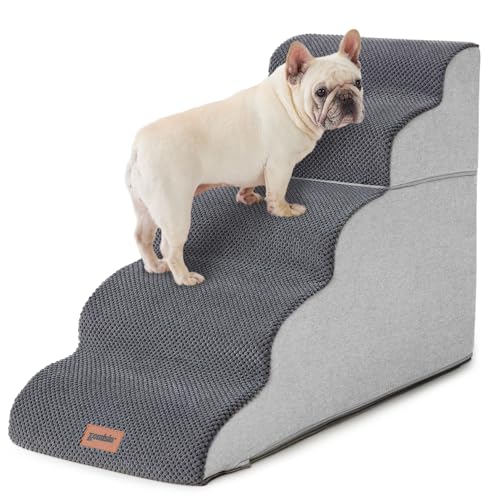
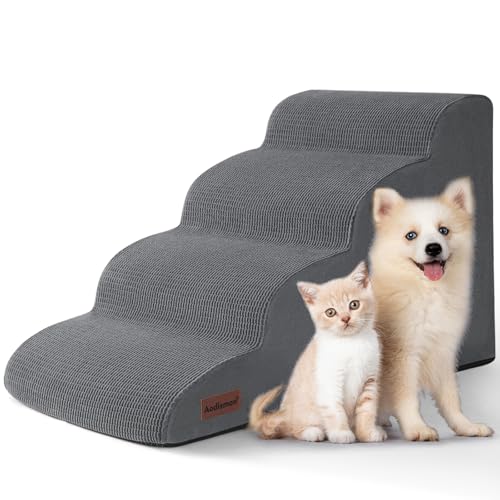
These are the most common type, featuring a series of ascending steps. They are ideal for dogs that can navigate stairs easily. Look for models with deep, wide steps for better stability.
- Best for: Most dogs, especially those comfortable with climbing.
- Pros: Compact, available in various heights, often foldable.
- Cons: May not be suitable for very small or very large dogs.
Ramps
Ramps provide a gentle incline rather than steps. They are the safest option for dogs with severe joint problems, back issues, or short legs.
- Best for: Senior dogs, breeds with long backs (like Dachshunds), and post-surgery recovery.
- Pros: Low impact, easy to use, often lightweight and portable.
- Cons: Requires more floor space, may be slippery without proper texture.
Furniture-Style Steps
These are designed to blend with your home decor. They often look like small ottomans or storage benches with built-in steps. Aesthetically pleasing and functional.
- Best for: Owners who want their pet accessories to match their furniture.
- Pros: Multi-functional (can offer storage), stylish, sturdy.
- Cons: Usually heavier and more expensive.
Portable & Folding Stairs
Lightweight and foldable, these are perfect for travel or for moving between rooms. They are easy to store and great for taking in the car.
- Best for: Active owners and dogs who travel frequently.
- Pros: Portable, space-saving, versatile.
- Cons: May not be as sturdy as permanent options.
Safety & Stability: What to Look For
Safety is the number one priority when choosing dog stairs. Here are the critical features you must check before buying:
- Non-Slip Surface: The steps should be covered with carpet, rubber, or a textured material to prevent slipping. Your dog's paws need to grip firmly.
- Sturdy Construction: The frame must be robust and not wobble. It should support your dog's weight without shifting when they step on it.
- Appropriate Height & Width: The stairs should be wide enough for your dog's body to stand comfortably, and each step should be low enough for them to climb easily.
- Weight Capacity: Always check the maximum weight limit. It should exceed your dog's current weight to ensure long-term safety.
- Easy to Clean: Choose materials that are easy to wipe down or vacuum, especially if you buy carpeted stairs.
Important: If your dog is hesitant to use new stairs, use treats and positive reinforcement to encourage them. Never force your dog onto the stairs, as this can cause fear and lead to accidents.
How to Choose the Right Size
Selecting the correct size is crucial for your dog's safety and comfort. Follow these steps to make the right choice:
- Measure the height: Measure the distance from the floor to the top of the bed, couch, or car trunk where your dog needs to go.
- Count the steps: More steps with a lower rise are better for dogs with mobility issues. A step height of 6-7 inches is ideal for most medium dogs.
- Check the width: The stairs should be at least as wide as your dog's shoulder width to allow a natural, comfortable stance.
- Test the weight limit: Ensure the stairs can handle your dog's maximum weight. It's better to choose a product with a higher capacity than needed.
Pro Tip: If you have multiple dogs or a growing puppy, consider buying stairs with a higher weight capacity to accommodate future needs.
Beyond Mobility: Other Benefits
Dog stairs offer more than just health benefits. They also provide peace of mind and add convenience to your daily life.
- Promotes Independence: Stairs allow dogs to move around on their own, boosting their confidence and reducing their reliance on you to lift them.
- Protects Your Back: If you frequently lift a heavy dog, you risk injuring your own back. Stairs eliminate the need for heavy lifting.
- Encourages Better Sleep: Many dogs prefer to sleep near their owners. Stairs make it easy for them to access your bed without disturbing your sleep.
- Reduces Behavioral Problems: Frustration from not being able to reach their favorite spots can lead to anxiety and barking. Stairs provide a simple solution.
Dog Stairs Comparison Table
Here is a quick comparison of the key features to evaluate when shopping for dog stairs.
| Feature | Step Stairs | Ramps | Furniture-Style | Folding/Portable |
|---|---|---|---|---|
| Best For | Most dogs | Senior/disabled dogs | Home decor, storage | Travel, compact spaces |
| Weight Capacity | 50–150 lbs | 75–200 lbs | 50–100 lbs | 30–80 lbs |
| Ease of Use | Easy for agile dogs | Easiest for all | Moderate | Easy |
| Floor Space Required | Small–Medium | Large | Medium | Small |
Frequently Asked Questions
Ready to Choose the Best Stairs for Your Dog?
Investing in high-quality dog stairs is a simple yet profound way to improve your dog's quality of life. By considering the factors outlined in this guide — from type and size to safety features — you can make an informed decision that will keep your dog safe, active, and happy for years to come. Start exploring the options below to find the perfect fit for your furry friend.