Dog Won't Eat Dog Food? Here's How to Fix It
Does your dog turn up their nose at kibble but beg for your dinner? You're not alone. Learn why this happens and how to transition your picky eater back to a healthy, balanced diet.
It's a frustrating scenario: you fill your dog's bowl with high-quality kibble, but they sniff it and walk away. Then, the moment you sit down to eat, they're right there, giving you the "starving puppy" eyes. If this sounds familiar, your dog has learned a simple but powerful lesson: human food tastes better.
This is a common issue, but it's not just an annoyance. A diet consisting primarily of human food can lead to serious health problems. This guide will walk you through why this happens, the risks involved, and step-by-step strategies to get your dog back on their dog food without a battle of wills.
Why Your Dog Refuses Dog Food
Dogs are intelligent and opportunistic. When they realize that holding out might lead to a tastier reward (your dinner), they'll test that boundary. Here are the primary reasons for this behavior:
- Learned Behavior: If you've ever given in and offered a piece of chicken or cheese when they refused their kibble, you've reinforced the idea that refusing food gets them something better.
- Boredom with Kibble: Let's be honest, dry kibble isn't as exciting as a juicy steak. Dogs can get bored with the same flavor and texture day after day.
- Medical Issues: While less common, a sudden refusal to eat can be a sign of an underlying health problem like dental pain, digestive issues, or sensitive stomach conditions.
- Overfeeding & Treats: If your dog is getting too many treats or table scraps, they may simply not be hungry enough to eat their regular meal.
First Step: Before changing anything, schedule a check-up with your veterinarian to rule out any health issues. If your dog is healthy, the problem is likely behavioral.
Health Risks of a Human-Only Diet
While sharing a bite of your meal occasionally is fine, a diet primarily composed of human food is dangerous. Dogs have different nutritional needs than humans.
- Nutritional Imbalance: Human food lacks the proper balance of vitamins, minerals, and essential fatty acids that dogs need. This can lead to deficiencies over time.
- Pancreatitis: Fatty foods like bacon, sausages, and butter can trigger painful and potentially life-threatening inflammation of the pancreas. This is a very common emergency in dogs who eat table scraps.
- Obesity: Human food is often much higher in calories than dog food. Even a small piece of cheese or a bite of a burger contains a significant portion of a dog's daily caloric needs.
- Toxicity: Many common human foods are toxic to dogs, including onions, garlic, grapes, and xylitol (an artificial sweetener).
If you notice any signs of illness like vomiting, lethargy, or diarrhea after your dog eats human food, contact your vet immediately.
Proven Strategies to Transition Back to Dog Food
Transitioning your picky eater back to their dog food requires patience and consistency. Here are the most effective methods, from gentle to firm:
- The 15-Minute Rule: Put down your dog's meal (kibble or canned food). If they don't eat within 15 minutes, pick it up and put it away until the next scheduled meal. Don't offer treats or snacks in between. A healthy dog will not starve themselves. This teaches them that their food is available only at designated times.
- Enhance the Kibble: Make the dry food more appealing. Try mixing in a spoonful of warm water to release the aroma, or add a small amount of high-quality wet dog food as a topper. You can also use a healthy dog food topper like freeze-dried meat or bone broth.
- Gradual Transition: If your dog has been eating human food, you can't switch back to kibble cold turkey. Mix a small portion of their new dog food with a little of the human food they're used to, then gradually decrease the human food and increase the dog food over a week.
- Try a New Protein or Formula: Some dogs simply get bored. You can try introducing a new flavor of kibble (e.g., switching from chicken to salmon). For dogs with very sensitive stomachs, a sensitive stomach formula might be easier to digest.
- The "Tough Love" Approach: This is a more rigorous version of the 15-minute rule. You offer your dog their dog food for 15 minutes twice a day. If they don't eat, they don't get anything else until the next scheduled meal. This method is safe for healthy, adult dogs and is often the quickest way to break the cycle.
Important Tip: Make sure you're feeding the right amount. Check the feeding guide on your dog's food bag and adjust based on their age, weight, and activity level. Overfeeding can be a big reason they turn their nose up at their bowl.
Myth vs. Fact: Picky Eating
❌ Myth: "My dog will eat when they're hungry enough."
While true for healthy dogs, this can take a while. Some dogs are exceptionally stubborn and can go days without eating, which isn't healthy.
✅ Fact: Consistency is Key
Dogs thrive on routine. A consistent feeding schedule and a firm stance on what they're offered is the fastest way to solve picky eating.
❌ Myth: "If I mix in human food, it will solve the problem."
This often just teaches them to hold out for the good stuff. The goal is to transition them off human food entirely.
✅ Fact: Small Changes Make a Big Difference
Something as simple as warming the kibble or adding a bit of water can make it more appealing without ruining its nutritional balance.
Best Products to Encourage Eating
Using the right tools can make the transition much easier. Here are some products designed to tempt picky eaters without compromising their health.
Food Toppers & Flavor Enhancers
- Bone Broth: A nutrient-rich, low-calorie liquid that adds flavor and moisture to dry kibble. Look for broths with no added salt, onions, or garlic.
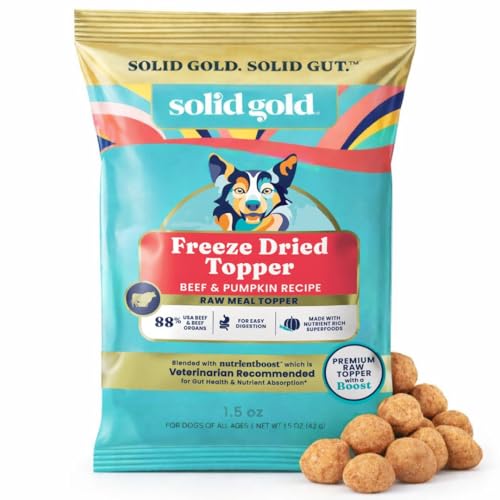
- Freeze-Dried Raw Toppers: These are little nuggets of pure meat that you can crumble over your dog's food. They are high in protein and highly palatable.
- Wet Food: Mixing a high-quality wet dog food with kibble is a classic and effective strategy.
Feeding Equipment
- Slow Feeder Bowls: These bowls make eating more interactive and can prevent gulping, which can lead to indigestion.
- Puzzle Feeders: Turning meal time into a game can make a dog more interested in their food. Our guide to interactive dog toys has more ideas.
Frequently Asked Questions
Ready to fix your dog's picky eating habit for good?
It takes patience, but a healthy dog who enjoys their balanced diet is worth the effort. Start with a vet visit to ensure there are no underlying health concerns, then choose the transition method that feels right for you. Remember, consistency from every member of the household is crucial. With the right strategy and a little time, your dog will be back to enjoying their own food, and you can enjoy your meals in peace.