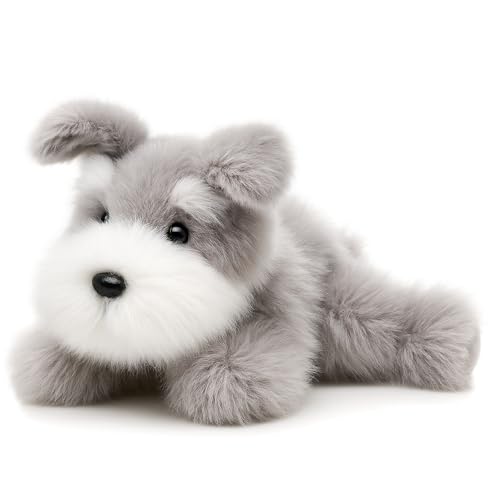
Small Fluffy Dogs: The Complete Guide to Breeds & Care
Discover the most adorable small fluffy dog breeds, learn how to care for their coats, and find the perfect pint-sized companion for your home and lifestyle.
There's something undeniably irresistible about a small, fluffy dog. Whether it's a tiny Pomeranian bouncing with enthusiasm or a soft-coated Maltese curling up in your lap, these pint-sized companions capture hearts wherever they go. But beyond their adorable appearance, small fluffy dogs make wonderful pets for the right households — provided you understand their unique needs.
This guide explores the world of dogs that are small and fluffy, covering everything from breed selection to grooming routines, health considerations, and daily care. By the end, you'll have the knowledge you need to choose the right fluffy companion and keep them healthy, happy, and looking their best for years to come.
Why Small Fluffy Dogs Are So Popular
The appeal of small fluffy dogs goes beyond their Instagram-worthy appearance. These breeds offer a unique combination of practical advantages and emotional benefits that make them ideal companions for many people.
- Apartment-friendly size: Small fluffy dogs adapt well to urban living, condos, and apartments where larger dogs may be impractical. They take up less space, require smaller crates, and their exercise needs can often be met indoors or with short walks.
- Portability: These dogs are easier to transport, whether you're visiting family, going on road trips, or moving to a new home. Many airlines and public transport systems accommodate small dogs in carriers, opening up travel possibilities that aren't available with larger breeds.
- Affordable maintenance: Smaller dogs eat less food, require smaller doses of medication, and typically cost less for boarding and veterinary procedures. While grooming costs may be higher for fluffy coats, overall ownership expenses are generally more manageable.
- Longer lifespan: Small breeds typically live 12-16 years, significantly longer than large breeds. This means more years of companionship and a longer return on your investment of time, love, and care.
- Great for seniors and gentle households: Their size makes them easier to handle for elderly owners or those with limited mobility. They're also less likely to accidentally knock over small children, though supervision is always essential.
- Emotional support: Their soft coats and affectionate nature make them excellent emotional support animals. Many small fluffy breeds are naturally attuned to their owner's emotions and provide comfort during stressful times.
Important Consideration:
Despite their small size, fluffy dogs are still dogs with real needs. They require daily exercise, mental stimulation, proper nutrition, and veterinary care — not just cuddles and cute photos. Understanding this before bringing one home prevents the behavioral problems and health issues that arise when these dogs are treated as accessories rather than companions.
Top Small Fluffy Dog Breeds
Not all small dogs are fluffy, and not all fluffy dogs are small. The breeds below represent the best of both worlds — tiny stature combined with abundant, soft coats. Each has distinct characteristics that suit different lifestyles and preferences.

Pomeranian
Weighing just 3-7 pounds, the Pomeranian packs a huge personality into a tiny frame. Their double coat creates that classic "puffball" appearance. These lively, alert dogs are excellent watchdogs despite their size. They need daily brushing and moderate exercise. Great for owners who want an interactive, playful companion.
Mid-tier maintenance
Maltese
Famous for their silky white coats and gentle dispositions, Maltese dogs weigh 4-7 pounds. Their hair grows continuously and sheds very little, making them a favorite for allergy sufferers. They're affectionate lap dogs who still enjoy playtime. Require daily brushing and regular professional grooming to prevent mats.
High-tier grooming
Shih Tzu
These charming dogs (9-16 pounds) were bred to be companions and excel at it. Their long, dense coats require significant grooming unless kept in a "puppy cut." Shih Tzus are outgoing, friendly, and adapt well to apartment living. They prefer lounging over intense exercise but still need daily walks.
Mid-tier maintenance
Havanese
Cuba's national dog (7-13 pounds) has a soft, silky coat that comes in many colors. They're highly trainable, affectionate, and excellent with children. Havanese dogs are social and dislike being left alone for long periods. Their coats need regular brushing but are easier to maintain than Maltese coats.
Mid-tier maintenance
Bichon Frise
With their powder-puff appearance and cheerful personalities, Bichons (12-18 pounds) are wonderful family dogs. Their curly double coats are relatively low-shedding but require professional grooming every 4-6 weeks. They're playful, adaptable, and get along well with other pets and children.
High-tier grooming
Papillon
Named for their butterfly-like ears, Papillons (4-10 pounds) are surprisingly athletic and intelligent. Their silky coats are relatively easy to maintain with regular brushing. These dogs excel in dog sports and training. They need more mental stimulation than many toy breeds and thrive with active owners.
Entry-level grooming
Yorkshire Terrier
Yorkies (4-7 pounds) have fine, silky coats that resemble human hair. They're feisty, brave, and full of personality despite their tiny size. Their coats require daily brushing and regular trimming to stay manageable. Yorkies are good for apartment living but can be vocal and need proper training.
High-tier grooming
Coton de Tulear
Madagascar's "royal dog" (8-15 pounds) has a cotton-like coat that's soft to the touch and relatively low-shedding. These happy, adaptable dogs are great with families and other pets. Their coats need regular brushing but are less prone to matting than some other fluffy breeds.
Mid-tier maintenanceUnderstanding Different Fluffy Coat Types
Not all fluffy coats are created equal. Understanding your dog's coat type is essential for proper grooming and helps you predict shedding, maintenance requirements, and potential skin issues.
Double Coats
Breeds like Pomeranians, Papillons, and some Shih Tzus have a double coat — a soft, dense undercoat for insulation and a longer, harsher topcoat for protection. These coats provide excellent temperature regulation but shed seasonally (often called "blowing coat"). They should never be shaved, as this damages the coat's structure and impairs the dog's ability to regulate body temperature. Regular brushing with an undercoat rake removes loose fur and prevents matting.
Single Coats (Hair Coats)
Maltese, Yorkies, and Bichons have single coats that grow continuously, similar to human hair. These coats shed very little but require regular trimming to maintain a manageable length. Without professional grooming every 4-6 weeks, the hair becomes matted and uncomfortable. Many owners opt for shorter "puppy cuts" to reduce daily maintenance while keeping that fluffy appearance.
Curly and Wavy Coats
Poodles, Bichons, and Coton de Tulears have curly or wavy coats that create a plush, teddy-bear look. These coats are prone to matting if not brushed regularly — at least 3-4 times weekly. The curl pattern means loose hair gets trapped rather than falling out, making them popular for allergy sufferers. Professional grooming is essential to maintain coat health and appearance.
Grooming Reality Check: Before choosing a fluffy breed, honestly assess how much time and money you can dedicate to grooming. A dog with a matted coat experiences pain, skin infections, and stress. If daily brushing isn't realistic for your lifestyle, consider a shorter-coated breed or budget for professional grooming every 3-4 weeks.
Grooming Requirements & Maintenance
Proper grooming is the single most important aspect of caring for a small fluffy dog. Without consistent grooming, even the most beautiful coat becomes a painful, matted mess that can cause skin infections and behavioral problems.
Daily Grooming Routine
- Brushing: Use a slicker brush for daily brushing, followed by a metal comb to check for tangles. Pay special attention to areas where friction occurs — behind the ears, under the legs, and around the tail. Even five minutes of daily brushing prevents most matting.
- Face cleaning: Small fluffy breeds are prone to tear staining and eye discharge. Wipe the face daily with a damp cloth or pet-safe wipe. Keep hair trimmed away from eyes to prevent irritation.
- Dental care: Small breeds are notorious for dental problems. Brush teeth daily with dog-specific toothpaste, or at minimum 3 times weekly. Dental disease affects 80% of dogs over age 3 and can lead to heart and kidney problems.
- Paw inspection: Check paw pads for cracks, cuts, or foreign objects after walks. Trim hair between pads to prevent matting and improve traction on smooth floors.
Weekly Grooming Tasks
- Ear cleaning: Use a vet-approved ear cleaner and cotton balls. Never insert anything into the ear canal. Floppy-eared breeds like Shih Tzus need more frequent cleaning.
- Nail trimming: Trim nails every 2-4 weeks. If you hear clicking on hard floors, nails are too long. Long nails cause joint pain and gait problems over time.
- Bathing: Most fluffy breeds need bathing every 2-3 weeks, or more frequently if they get dirty. Use a gentle, dog-specific shampoo and follow with a conditioner to prevent tangles. Always dry thoroughly to prevent skin issues.
Professional Grooming Schedule
Even with excellent home care, most small fluffy breeds need professional grooming every 4-6 weeks. This includes:
- Haircut or trim to maintain manageable length
- Sanitary trim around rear and belly
- Nail trimming and grinding
- Ear cleaning and hair removal from ear canals
- Anal gland expression if needed
- Teeth brushing or dental check
Finding a good groomer is essential. Ask other small dog owners for recommendations, visit the facility before booking, and ensure the groomer uses gentle handling techniques. If your dog shows signs of stress after grooming (excessive panting, hiding, aggression), consider a different groomer or discuss your concerns with the current one.
Exercise & Activity Needs
Despite their small size, fluffy dogs still need regular physical activity to maintain health and prevent behavioral problems. The exact amount varies by breed, age, and energy level.
Daily Exercise Guidelines
- Puppies: Short, frequent play sessions (5-10 minutes) throughout the day. Avoid long walks until fully vaccinated and growth plates close.
- Adult small breeds: 30-60 minutes daily, split into two or more sessions. This can include walks, indoor play, and interactive games.
- Senior dogs: 20-40 minutes daily, adjusted for mobility. Swimming is excellent low-impact exercise for dogs with arthritis.
- High-energy breeds (Papillons, Pomeranians): May need 60-90 minutes daily plus mental stimulation.
Exercise Ideas for Small Fluffy Dogs
- Short walks around the neighborhood
- Indoor fetch with soft toys
- Stairs or ramp training for strength
- Puzzle feeders for mental exercise
- Trick training sessions
- Playdates with other small dogs
- Flirt pole play for chasing instincts
- Snuffle mats for foraging enrichment
Watch for Over-Exercise Signs:
Small breeds can tire quickly and may not self-regulate. Watch for excessive panting, lagging behind, limping, or reluctance to move. Puppies especially need protected exercise to avoid joint damage. When in doubt, shorter and more frequent is better than long and intense.
Health Considerations for Small Fluffy Breeds
Small fluffy dogs are generally healthy, but they have breed-specific health concerns that owners should understand. Knowing what to watch for helps you catch problems early when they're most treatable.
Common Health Issues in Small Fluffy Breeds
- Patellar luxation: Dislocation of the kneecap is common in small breeds. Signs include skipping, hopping, or reluctance to jump. Maintain healthy weight and avoid excessive jumping to reduce risk.
- Tracheal collapse: Weakness in the windpipe causes a honking cough, especially when excited or pulling on a leash. Use harnesses instead of collars and avoid obesity.
- Dental disease: Small mouths mean crowded teeth and rapid tartar buildup. Daily brushing, dental chews, and professional cleanings prevent pain and tooth loss.
- Mitral valve disease: A common heart condition in small breeds. Annual vet visits with stethoscope exams help detect murmurs early.
- Hypoglycemia: Tiny puppies can develop low blood sugar. Feed frequent small meals and watch for weakness, tremors, or disorientation.
- Luxating patella: See patellar luxation above — same condition, different name.
- Legg-Calve-Perthes disease: Degeneration of the hip joint, more common in toy breeds. Causes limping and pain. Surgery may be needed in severe cases.
Preventive Care Schedule
- Annual wellness exams: Physical examination, weight check, dental assessment, and vaccine updates.
- Vaccinations: Core vaccines (rabies, distemper, parvovirus, adenovirus, parainfluenza) per your vet's schedule.
- Parasite prevention: Year-round flea, tick, and heartworm prevention.
- Dental cleanings: Professional cleaning as recommended by your vet, typically every 1-2 years.
- Blood work: Baseline at middle age, then annually for senior dogs to monitor organ function.
Regular veterinary visits are especially important for small breeds because they age differently than large dogs. A 7-year-old Chihuahua is roughly equivalent to a 45-year-old human, while a 7-year-old Great Dane is closer to 70. Your vet can help you understand your dog's life stage and adjust care accordingly. Finding a veterinarian experienced with small breeds ensures your dog receives appropriate care.
Temperament & Family Compatibility
Small fluffy dogs are individuals, but breed tendencies give you a general idea of what to expect. Understanding these traits helps you choose a dog that fits your household and lifestyle.
General Temperament Traits
- Affectionate: Most small fluffy breeds were developed as companions and thrive on human attention.
- Alert: Many make excellent watchdogs, announcing visitors with enthusiastic barking.
- Adaptable: They generally adjust well to different living situations, from apartments to houses.
- Trainable: Most are intelligent and eager to please, though some have independent streaks.
- Social: Many prefer constant companionship and may develop separation anxiety if left alone too long.
Compatibility Considerations
- With children: Best with older, gentle children who understand how to handle small dogs carefully.
- With other pets: Early socialization helps them coexist peacefully with cats and other dogs.
- With seniors: Excellent companions for older adults due to their size and affectionate nature.
- With busy households: May struggle with chaos and prefer calm, predictable environments.
- With first-time owners: Generally forgiving, but training and socialization are still essential.
Temperament varies significantly between breeds and individual dogs. A Pomeranian may be bold and vocal, while a Maltese is typically gentle and quiet. Research specific breeds, meet adult dogs of the breed if possible, and talk to breeders about temperament before choosing a puppy.
How to Choose the Right Fluffy Dog
Bringing home a small fluffy dog is a long-term commitment — these breeds can live 12-16 years or more. Making the right choice requires honest assessment of your lifestyle, preferences, and resources.
Questions to Ask Yourself
- How much time can I dedicate to grooming? Daily brushing is non-negotiable for many fluffy breeds. If you can't commit, consider a shorter-coated breed or budget for frequent professional grooming.
- What's my activity level? Some fluffy breeds are energetic and need daily walks and play. Others are content with short walks and cuddling. Match the breed's energy to your own.
- How much barking can I tolerate? Many small breeds are vocal. If you live in an apartment with thin walls, consider quieter breeds like Maltese or Bichon Frise.
- Am I home enough? Small companion breeds often struggle with separation anxiety. If you work long hours, consider a breed that's more independent or arrange for a dog walker.
- What health issues can I handle? Some breeds have higher risks of specific conditions. Pet insurance or a dedicated savings fund is essential.
- Do I want a puppy or adult dog? Puppies require extensive training and socialization. Adult dogs may already be trained and have known temperaments. Consider adopting an adult dog if you want to skip the puppy phase.
Finding a Responsible Breeder
If you choose to buy a puppy, finding a responsible breeder is crucial. A good breeder will:
- Health test breeding dogs for genetic conditions common in the breed
- Allow you to meet the puppy's parents and see the living conditions
- Provide veterinary records and vaccination history
- Ask you questions about your lifestyle and plans for the dog
- Offer a health guarantee and take the dog back if you can no longer care for it
- Require a contract that includes spay/neuter agreements
Avoid breeders who sell puppies online without meeting you, offer multiple breeds, or can't provide health testing documentation. These are red flags for puppy mills or backyard breeders who prioritize profit over animal welfare. If you're considering a specific breed, learn about how to find a reputable breeder and what questions to ask before making a commitment.
Frequently Asked Questions
Ready to Welcome a Small Fluffy Dog into Your Home?
Bringing home a small fluffy dog is a rewarding experience that comes with real responsibilities. Focus on these essentials: choose a breed that matches your lifestyle, commit to regular grooming, provide proper veterinary care, and give your dog plenty of love and attention. With the right care, your fluffy companion will bring joy to your life for many years. If you're still deciding between breeds, explore our guides on small and cute dogs and white fluffy dogs for more options. The perfect fluffy friend is waiting for you.