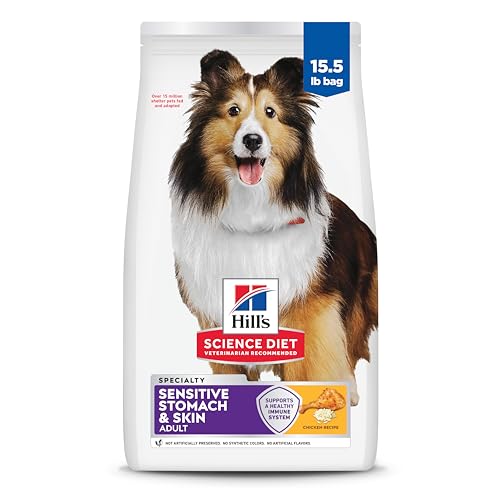
Dry Dog Food for Dogs with Sensitive Stomachs
Discover how to choose the right kibble for your dog's delicate digestive system. Learn to identify triggers, read labels effectively, and find a formula that keeps your dog comfortable and healthy.
If your dog frequently suffers from gas, loose stools, vomiting, or refuses to eat, you're not alone. Digestive issues are among the most common reasons dog owners seek veterinary advice. The good news is that the right dry dog food for sensitive stomachs can make a world of difference — often within days of switching.
But with hundreds of options on the market, each claiming to be the best for sensitive stomachs, how do you choose? This guide cuts through the marketing hype and gives you the practical, science-backed information you need to make an informed decision for your dog's health.
What Is a Sensitive Stomach in Dogs?
A "sensitive stomach" is a broad term used to describe a dog's tendency to experience gastrointestinal upset more easily than other dogs. It's not a specific medical diagnosis, but rather a pattern of symptoms that occur after eating certain foods or during times of stress.
Some dogs are born with a sensitive digestive system, while others develop sensitivities over time due to age, illness, or prolonged exposure to irritating ingredients. Regardless of the cause, the solution often lies in choosing a diet that's gentle on the digestive tract while still providing complete nutrition.
Important: A sensitive stomach is different from a food allergy. Allergies involve an immune response (itching, hives, swelling), while sensitivities primarily affect digestion. However, the two can overlap, and both benefit from a carefully selected diet. If you suspect a true allergy, consult your veterinarian for proper testing.
Common Symptoms of a Sensitive Stomach
Recognizing the signs is the first step toward finding a solution. Dogs with sensitive stomachs may experience one or more of the following symptoms:
- Chronic gas: Excessive flatulence, especially after meals, is one of the most common signs. While some gas is normal, frequent or foul-smelling gas indicates poor digestion.
- Loose stools or diarrhea: Stools that are consistently soft, watery, or difficult to pick up suggest the digestive system is struggling to process the current diet.
- Vomiting: Occasional vomiting after eating, or vomiting bile on an empty stomach, can indicate stomach irritation.
- Stomach gurgling: Loud, audible stomach noises (borborygmi) often accompany digestive discomfort.
- Excessive licking: Dogs with nausea or acid reflux may lick their lips, the floor, or furniture frequently.
- Picky eating: A dog who regularly refuses food or eats reluctantly may be associating eating with discomfort.
- Weight loss: Despite eating normal amounts, poor nutrient absorption can lead to gradual weight loss.
- Dull coat and skin problems: Poor digestion affects nutrient uptake, which can manifest as a dull coat, flaky skin, or excessive shedding.
If your dog experiences these symptoms regularly, it's time to evaluate their diet. A veterinary visit is recommended to rule out more serious conditions like inflammatory bowel disease, pancreatitis, or intestinal parasites.
Common Dietary Triggers for Sensitive Stomachs
Identifying what triggers your dog's digestive upset is key to selecting the right food. While every dog is different, these are the most common culprits:
- Multiple protein sources: Foods containing chicken, beef, lamb, and fish all in one formula make it nearly impossible to identify which protein is causing the problem. Limited-ingredient diets with a single protein source are often the best starting point.
- High-fat content: Fatty foods are harder to digest and can trigger pancreatitis in susceptible dogs. Look for formulas with moderate fat levels (12-18% for adult dogs).
- Artificial preservatives and colors: BHA, BHT, ethoxyquin, and artificial dyes serve no nutritional purpose and can irritate sensitive digestive systems.
- Common grains: While true grain allergies are rare, some dogs do have difficulty digesting wheat, corn, and soy. These ingredients are also common fillers that provide little nutritional value.
- Dairy products: Many dogs are lactose intolerant, and dairy can cause gas, bloating, and diarrhea.
- Sudden diet changes: Switching foods abruptly — even to a better quality food — can cause digestive upset. Always transition slowly over 7-10 days.
- Overfeeding: Feeding too much at once overwhelms the digestive system. Smaller, more frequent meals are often better for sensitive stomachs.
- Contaminated or spoiled food: Mold, bacteria, or rancid fats in improperly stored food can cause severe digestive issues.
Key Ingredients to Look For in Dry Dog Food
The best dry dog food for sensitive stomachs contains ingredients that are easy to digest and support a healthy gut. Here's what to prioritize:
- Novel or single-source protein: Proteins your dog hasn't eaten before (like salmon, venison, duck, or lamb) are less likely to trigger a reaction. A single protein source makes it easier to identify triggers.
- Highly digestible carbohydrates: Rice, oatmeal, barley, and sweet potatoes are gentle on the stomach and provide steady energy. These are preferable to corn, wheat, and soy for sensitive dogs.
- Probiotics: Live beneficial bacteria (like Lactobacillus and Bifidobacterium) help restore gut flora and improve digestion. Some premium foods include probiotics, or you can add a supplement.
- Prebiotic fiber: Ingredients like chicory root, beet pulp, and pumpkin provide food for beneficial gut bacteria, promoting digestive health.
- Omega fatty acids: Fish oil, flaxseed, and salmon oil reduce inflammation in the digestive tract and support a healthy coat and skin.
- Digestive enzymes: Some formulas include added enzymes (like protease, amylase, and lipase) to help break down food more efficiently.
- Antioxidants: Vitamins E and C, along with fruits and vegetables, help reduce oxidative stress and support overall immune health.
- Natural preservatives: Mixed tocopherols (vitamin E) and rosemary extract are safe alternatives to artificial preservatives.
Pro Tip: Look for the AAFCO statement on the package. It should say the food is "complete and balanced" for your dog's life stage (puppy, adult, or senior). This ensures the food meets minimum nutritional standards, even if it's formulated for sensitive stomachs.
Ingredients to Avoid
Just as important as what you include is what you exclude. These ingredients are common in lower-quality foods and can exacerbate digestive problems:
- Artificial colors: Red 40, Yellow 5, Blue 2 — these serve no purpose and can trigger reactions in sensitive dogs.
- Artificial flavors: "Natural flavors" is a vague term; look for specific named ingredients instead.
- BHA, BHT, and ethoxyquin: Synthetic preservatives linked to health concerns. Choose foods preserved with mixed tocopherols instead.
- Generic meat meals: "Meat meal," "poultry meal," and "animal by-product meal" can contain rendered parts from unknown sources. Look for named proteins like "chicken meal" or "salmon meal."
- Corn, wheat, and soy: Common allergens and fillers that provide incomplete protein and are harder to digest.
- Excessive fat: Foods with fat content over 20% can trigger pancreatitis and digestive upset in sensitive dogs.
- Added sugars and sweeteners: Corn syrup, molasses, and other sweeteners add empty calories and can disrupt gut bacteria.
- Propylene glycol: A preservative used in some semi-moist foods that can cause digestive issues.
Types of Dry Food for Sensitive Stomachs
Not all sensitive stomach formulas are created equal. Here are the main categories you'll encounter, along with their key characteristics:
Limited Ingredient Diets (LID)
These formulas contain a short list of ingredients — typically one protein, one carbohydrate, and essential nutrients. They're ideal for dogs with known or suspected food sensitivities because they minimize exposure to potential triggers.
Mid-range to premiumHydrolyzed Protein Diets
The protein in these foods is broken down into tiny fragments too small to trigger an immune response. They're often prescription diets used for diagnosing and managing severe food allergies. Requires veterinary guidance.
Premium to luxuryGrain-Free Formulas
These replace grains with alternative carbohydrates like sweet potato, peas, or lentils. While not necessary for all dogs, they can help those with specific grain intolerances. Always ensure the formula is complete and balanced.
Mid-range to premiumProbiotic-Enhanced Foods
These formulas include added beneficial bacteria to support gut health. They're a convenient option if you don't want to administer a separate supplement. Look for guaranteed CFU counts and specific strains.
Mid-range to high-endSensitive Skin & Stomach Formulas
These combine digestive support with skin and coat benefits, often featuring omega fatty acids and a single protein source. They're a good choice for dogs with both digestive and dermatological issues.
Mid-range to premiumSenior Sensitive Stomach Formulas
Designed for older dogs, these feature lower fat, added joint support, and highly digestible ingredients. They address the unique needs of aging digestive systems while maintaining overall health.
Mid-range to premiumComparison of Protein Sources for Sensitive Stomachs
Choosing the right protein is arguably the most important decision when selecting a dry food for a sensitive stomach. Here's how common protein sources compare:
| Protein Source | Digestibility | Allergen Risk | Best For |
|---|---|---|---|
| Salmon / Fish | High | Low | Dogs with chicken or beef sensitivities; also supports skin and coat health |
| Lamb | Moderate to High | Low to Moderate | Dogs needing a novel protein; widely available in sensitive stomach formulas |
| Venison | High | Very Low | Dogs with multiple protein allergies; truly novel for most dogs |
| Duck | High | Low | Dogs allergic to chicken; rich in iron and B vitamins |
| Turkey | High | Moderate | Dogs who tolerate poultry but not chicken; lean protein source |
| Chicken | High | High | Often the first protein to cause sensitivities; avoid if suspect |
| Beef | Moderate | High | Common allergen; avoid if your dog has shown sensitivity |
| Egg | Very High | Moderate | Excellent digestibility but can be an allergen for some dogs |
For dogs with sensitive stomachs, starting with a single novel protein like salmon, lamb, or venison is often the best approach. Once you've identified a protein your dog tolerates well, you can build their diet around it. If you're considering a dry dog food that combines multiple proteins, proceed with caution — it's harder to pinpoint the trigger if a reaction occurs.
How to Transition to a New Dry Food
Even the best food will cause problems if you switch too quickly. A proper transition gives your dog's digestive system time to adapt to the new formula. Here's the recommended schedule:
- Days 1-3: Mix 25% new food with 75% old food. Monitor your dog's stool quality, appetite, and energy levels.
- Days 4-6: Increase to 50% new food and 50% old food. If you notice any digestive upset, slow down and stay at this ratio for a few more days.
- Days 7-9: Move to 75% new food and 25% old food. Most dogs tolerate this ratio well if the previous stages went smoothly.
- Day 10+: Transition to 100% new food. If your dog has a very sensitive stomach, consider extending each stage to 4-5 days.
Transition Tip: If your dog experiences loose stools during the transition, don't panic. Add a spoonful of plain canned pumpkin (not pie filling) to their meal to help firm things up. If diarrhea persists for more than 24 hours or is accompanied by vomiting, consult your veterinarian.
For dogs with particularly sensitive systems, you may need to transition even more slowly, taking 2-3 weeks to fully switch. Patience during this phase prevents setbacks and helps ensure long-term success with the new food.
When to See a Veterinarian
While dietary changes often resolve mild digestive issues, some symptoms require professional attention. Contact your veterinarian if your dog experiences:
- Vomiting or diarrhea lasting more than 24-48 hours
- Blood in the stool or vomit
- Severe lethargy or weakness
- Refusal to eat for more than 24 hours
- Signs of pain (whining, pacing, hunched posture)
- Bloating or a distended abdomen
- Weight loss despite normal eating
- Frequent vomiting after every meal
These symptoms could indicate a more serious condition such as pancreatitis, inflammatory bowel disease, intestinal blockage, or an infection. A veterinary visit is essential to rule out these issues before assuming the problem is simply a sensitive stomach.
Remember: A sensitive stomach is a symptom, not a diagnosis. Your vet can help determine the underlying cause and recommend the most appropriate diet, which may include a prescription formula if needed.
Frequently Asked Questions
Final Thoughts
Choosing the right dry dog food for a sensitive stomach doesn't have to be overwhelming. Focus on limited ingredients, a single novel protein, and digestive support. Transition slowly, monitor your dog's response, and don't hesitate to involve your veterinarian if symptoms persist. With the right diet, most dogs with sensitive stomachs can live comfortable, happy lives — and you'll finally get a break from the digestive drama.