Giardia in Dogs Treatment: A Complete Recovery Guide
Giardia is one of the most common intestinal parasites in dogs, causing diarrhea, weight loss, and discomfort. This guide covers how giardia is diagnosed, which treatments actually work, how to disinfect your home, and what to expect during recovery.
If your dog has been diagnosed with giardia, you are probably feeling a mix of concern and confusion. The good news is that giardia is treatable, and most dogs recover fully with the right medication and hygiene protocol. The challenge is that giardia is stubborn—it can survive in the environment for weeks and reinfect your dog if you do not address both the parasite and the contaminated areas.
This guide walks you through every stage of giardia treatment, from understanding what the parasite does inside your dog's gut to choosing the right medication with your vet and disinfecting your home so the infection does not come back. If your dog is currently experiencing digestive issues, you may also find our guide on homemade dog food for gastrointestinal problems helpful for managing symptoms during recovery.
What Is Giardia and How Do Dogs Get It
Giardia duodenalis (also called Giardia intestinalis) is a single-celled parasite that lives in the small intestine of infected animals. Unlike worms, giardia is a protozoan—a microscopic organism that attaches to the intestinal lining and interferes with nutrient absorption. This is why infected dogs often lose weight even when they are eating normally.
Dogs become infected by ingesting giardia cysts, which are the dormant, hardy form of the parasite shed in the feces of infected animals. These cysts can survive in soil, water, and on surfaces for weeks to months, especially in cool, moist conditions. Common sources of infection include:
- Contaminated water: Puddles, streams, ponds, and dog park water bowls are common sources. Giardia cysts are resistant to chlorine levels found in municipal water.
- Contaminated soil: Dogs who dig or sniff infected ground can pick up cysts on their paws and ingest them during grooming.
- Direct contact with infected animals: Playing with or sniffing the rear of an infected dog can transmit cysts.
- Contaminated surfaces: Kennels, shelters, and dog daycare facilities are higher-risk environments due to animal density.
Important: Giardia is not a worm, so standard dewormers do not work against it. This is a critical distinction that many dog owners miss. If your dog has been dewormed recently but still has diarrhea, giardia should be on your vet's radar.
Recognizing Giardia Symptoms
Not all dogs with giardia show symptoms. Some dogs carry the parasite without any signs of illness, which is why giardia can spread silently in multi-dog households and kennels. When symptoms do appear, they typically include:
- Diarrhea: The most common symptom. Giardia diarrhea is often described as soft, greasy, pale, and foul-smelling. It may contain mucus but usually does not contain blood.
- Weight loss: Despite a normal or increased appetite, infected dogs may lose weight because the parasite impairs nutrient absorption.
- Vomiting: Less common than diarrhea but can occur, especially in severe cases.
- Flatulence and abdominal discomfort: Excess gas and a sensitive belly are frequently reported.
- Lethargy: Dogs with chronic giardia may seem tired or less interested in play.
Symptoms can be intermittent, which is one reason giardia is often missed. A dog may have soft stool for a few days, then seem fine, then relapse. If your dog has recurring digestive issues, giardia testing is worthwhile. Our guide on why dogs throw up after eating covers other causes of digestive upset that may mimic giardia symptoms.
How Vets Diagnose Giardia
Diagnosing giardia is not always straightforward. The parasite is shed intermittently, meaning a single fecal test can come back negative even when the dog is infected. Veterinarians use several methods:
- Fecal flotation: The most common initial test. A stool sample is mixed with a solution that causes parasite eggs and cysts to float to the top. Giardia cysts are small and can be missed, so multiple samples may be needed.
- Direct smear: A small amount of feces is examined under a microscope. This can detect active trophozoites (the motile form of giardia) but is less sensitive than flotation.
- ELISA or IFA tests: These detect giardia antigens or cysts with higher sensitivity. Some clinics use in-house snap tests that provide results in minutes.
- PCR testing: The most sensitive method, detecting giardia DNA in the stool. PCR is not available at all clinics but is useful for difficult cases or when other tests are inconclusive.
Because giardia can be challenging to detect, your vet may recommend testing multiple stool samples collected over several days. Do not be discouraged if the first test is negative but symptoms persist—follow up with your vet about repeat testing.
Treatment Options That Work
Effective giardia treatment requires a two-pronged approach: medication to clear the parasite from your dog's body, and environmental decontamination to prevent reinfection. Skipping either step dramatically increases the risk of treatment failure.
Medication Is the Foundation
Several medications are effective against giardia in dogs. Your veterinarian will choose based on your dog's health status, age, and the severity of the infection. The most commonly used options are fenbendazole and metronidazole.
FDA Approval Milestone: In 2023, the FDA approved Ayradia (metronidazole oral suspension), the first animal drug specifically approved for treating Giardia duodenalis in dogs. It is administered at 25 mg/kg twice daily for five consecutive days. This approval means veterinarians now have a product manufactured to quality standards specifically for canine giardia, rather than relying on human-labeled metronidazole [citation:2].
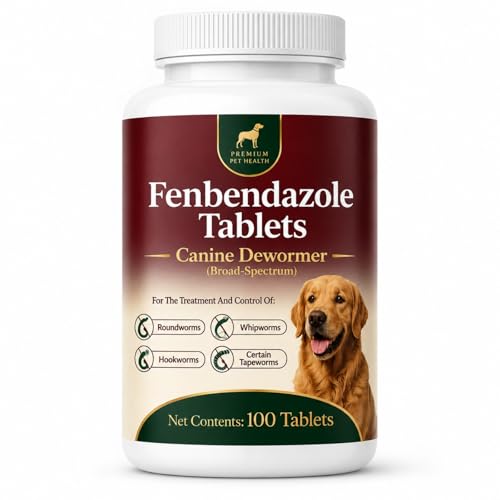
Fenbendazole is widely used and supported by research. Studies have shown that fenbendazole at 50 mg/kg once daily for 3 days is effective at clearing giardia cysts in dogs, and some protocols extend treatment to 10 days for stubborn infections [citation:5][citation:9]. In a controlled study of group-housed dogs, a 10-day fenbendazole protocol combined with bathing and kennel disinfection achieved a 100% cure rate by day 125 [citation:1].
Medication Comparison
Here is how the two primary giardia medications compare in practical terms:
| Feature | Fenbendazole | Metronidazole |
|---|---|---|
| Drug class | Anthelmintic (benzimidazole) | Antimicrobial / antiprotozoal |
| Typical duration | 3 to 10 days | 5 to 7 days |
| FDA approval for canine giardia | Not specifically approved for giardia (used off-label) | Ayradia approved in 2023 |
| Common side effects | Generally well-tolerated; rare vomiting | Vomiting, diarrhea, neurological signs at high doses |
| Best for | First-line treatment, puppies, sensitive dogs | Cases resistant to fenbendazole, concurrent bacterial infections |
Some veterinarians prescribe both medications together or sequentially, especially for severe or recurrent cases. Never give either medication without veterinary guidance—dosages must be calculated precisely based on your dog's weight and health status.
Critical Treatment Rule: Always complete the full course of medication, even if your dog's diarrhea resolves after two days. Stopping early allows surviving giardia to repopulate the intestine, and the infection will return—often more resistant to treatment the second time.
Home Care & Disinfection: The Step Most Owners Miss
Medication alone is often not enough. Giardia cysts are incredibly resilient and can survive in your home environment while your dog is being treated. Without proper disinfection, your dog can reinfect themselves by licking contaminated surfaces, bedding, or toys.
Bathing Your Dog
Bathe your dog at the end of the medication course—or at minimum, halfway through treatment. This removes giardia cysts that may be trapped in the fur around the rear end and paws. Use a gentle dog shampoo and pay attention to the hindquarters and paws.
Disinfecting Your Home
Not all disinfectants kill giardia cysts. Regular household cleaners, alcohol, and many "pet-safe" products are ineffective. Use one of these approaches:
- Quaternary ammonium compounds: Effective against giardia cysts when used according to label directions. Allow surfaces to remain wet for the full contact time.
- Accelerated hydrogen peroxide: A newer option that is effective against giardia and breaks down into water and oxygen.
- Steam cleaning: High-temperature steam kills cysts on carpets, upholstery, and hard-to-reach areas. This is especially useful for households with infected dogs.
- Hot water washing: Wash all bedding, blankets, toys, and food/water bowls in hot water with detergent. Dry on high heat if possible.
Pick up feces immediately during treatment and for at least two weeks after the last dose. Dispose of feces in a sealed bag—do not compost it. Clean the area where your dog defecates with a disinfectant effective against giardia cysts.
Feeding During Recovery
A bland, easily digestible diet supports healing while the intestinal lining recovers. Options include boiled chicken and rice, or a veterinary gastrointestinal diet. Avoid rich, high-fat foods that can worsen diarrhea. Our article on getting dogs to eat when they refuse food may help if your dog is picky during recovery.
Keep your dog hydrated. Diarrhea causes fluid loss, so ensure fresh water is always available. If your dog refuses water or shows signs of dehydration (lethargy, tacky gums, loss of skin elasticity), contact your vet immediately.
Prevention Strategies
Once your dog has recovered from giardia, you will want to reduce the risk of reinfection. These strategies are especially important for dogs who frequent dog parks, kennels, or daycare.
- Provide clean water only: Bring water from home for your dog during outings. Do not let them drink from puddles, streams, or shared communal bowls.
- Pick up feces promptly: Giardia cysts are shed in feces. Removing waste immediately reduces environmental contamination.
- Wash paws after outings: A quick paw rinse after walks or dog park visits removes soil that may contain cysts.
- Avoid high-risk areas during outbreaks: If you know giardia is circulating at your local dog park or daycare, consider avoiding it until the situation is resolved.
- Regular fecal testing: Annual fecal exams help catch giardia early, even in dogs without symptoms. This is especially important for dogs in multi-dog households.
Risk to Humans and Other Pets
Giardia can infect humans, but the strains that affect dogs are not always the same strains that affect people. The risk of transmission from dog to human exists but is considered relatively low for healthy adults. However, immunocompromised individuals, young children, and the elderly should take extra precautions.
If you have other pets, they should be tested for giardia as well. In multi-dog households, treating only the symptomatic dog often leads to reinfection from asymptomatic carriers. Your vet may recommend treating all dogs in the household simultaneously.
Hygiene Reminder: Wash your hands thoroughly with soap and water after handling your dog, cleaning up feces, or handling contaminated bedding. Alcohol-based hand sanitizers are less effective against giardia cysts than plain soap and water.
Frequently Asked Questions
Bottom Line on Giardia Treatment
Giardia is treatable, but successful recovery requires more than just a pill. Medication clears the parasite, but without thorough environmental disinfection and strict hygiene, reinfection is common. Work closely with your veterinarian to confirm the diagnosis, choose the right medication protocol, and monitor your dog's recovery. With proper treatment and prevention, most dogs make a full recovery and return to normal life within one to two weeks. If you are managing other health concerns alongside giardia, our guides on heartworm prevention and building a dog first aid kit can help you stay prepared.